Mère Angélique Arnauld on Mortification, Adoration, and Providence

The great reforming Abbess of Port-Royal, Mère Angélique Arnauld (1591-1661), is chiefly remembered today for her memorable role in the early phases of the Jansenist controversy. This is somewhat unfortunate, as the reform at Port-Royal was considerable and widely admired by such eminent figures as SS Francis de Sales and Jeanne-Françoise de Chantal. Leaving aside any historical question of Mère Angélique‘s actions in the Jansenist affair, I put forth my own translation of what is, I believe, a salutary text published long after her death. I would add that a Catholic may believe that the five propositions are heretical while also believing the nuns of Port-Royal were very badly treated by the authorities of church and state. The text is excerpted from Entretiens ou conferences de la reverende mère Marie-Angelique Arnauld (1767), pg. 331-34.
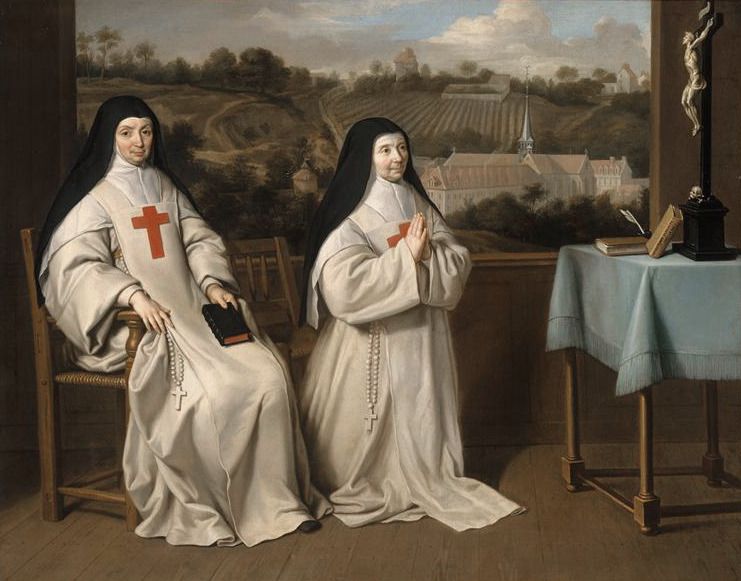
Philippe de Champaigne’s iconic double portrait of (l-r) Angélique and Agnès Arnauld, sisters and Abbesses of Port-Royal. (Source)

To have a part in the inheritance of Jesus Christ, one must suffer with Him: and what suffering did He endure? He suffered pains in his body: He suffered in His goods, because He desired to be born poor, and to endure the inconveniences of poverty: in His honor, for all the world knows in what fashion He was treated. Thus, if we desire to enjoy glory with Him, it is necessary to suffer with Him and like Him. I say to you in truth, my Sisters, that whosoever does not embrace mortification, he piles up affliction on affliction, not only for the life eternal, but also for the present…

The greatest need that we have is to adore God, and the greatest fault that we commit is not to do so. If therefore we beg of God the grace to adore Him, we remedy our greatest need, and in adoring Him, we repair our greatest faults. I wish that we would be so truly in this spirit of adoration, that we would have no other thoughts than to offer all creatures and ourselves in continual sacrifice to God. This would be a holocaust that would be more agreeable than all the prayers that we know how to say. Believe me: this would be the true way to obtain all the graces that are necessary for us. It is properly that which Our Lord said unto St. Catherine of Sienna: Think of me, and I shall think of thee. Consider, I pray you, the Blessed Virgin: she knew God from the moment of her conception, and from that moment she never ceased adoring Him…She followed Him with simplicity in time: she allowed herself to marry with the same simplicity; she received the quality of Mother of God in a profound adoration of His divine grandeur: her whole life was nothing but a perfect dependence on God. At the wedding at Cana, she contents herself with representing to her Son the necessity that she sees; and after having understood His response, she says to the servants: Do whatever he tells you; as if she had desired to say: I do not know what He wants to do, but obey that which He commands of you; if he says nothing unto you, do nothing…

It seems to me that it suffices to know that God is our Father, and after that what anxieties can we have in this life? When one has a Father at once wise, rich, good, and powerful, one fears nothing: but if he comes to die, we pity these poor orphans, fearing lest a tutor dissipate all their goods; but this is what cannot happen with God. So I do not understand how it can happen that one has so much mistrust of the mercy and the providence of God; do we therefore lack faith? Many times I find myself in rather disagreeable affairs, and He has always granted me the grace of handing over the event to His divine providence. One time in particular I found myself in a situation that was entirely difficult, and that was of no small importance; it put me in a great anguish, because I could see no daylight there. A good person wrote to me that when we do not see any remedy for things according to human prudence, God knows that we don’t know. This calmed me very much, so that all my anxieties ceased, and I have always believed so firmly in the providence of God, that nothing could shake me, because I know that He guides everything.
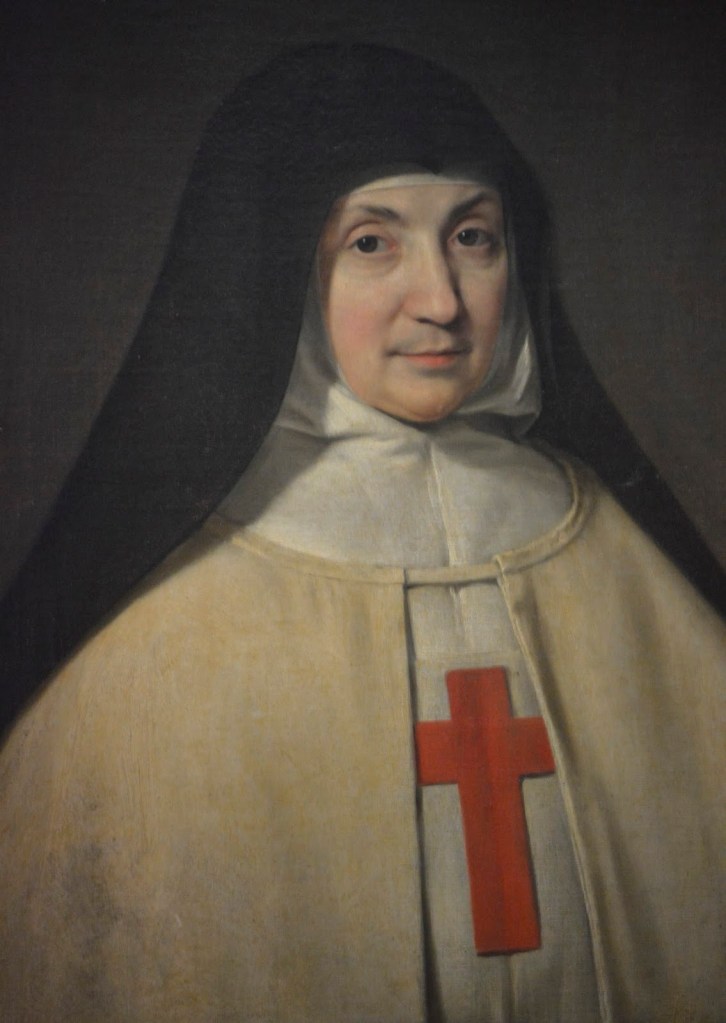
Mère Angélique Arnauld (Source)

5 Ideas for Advent Spiritual Reading

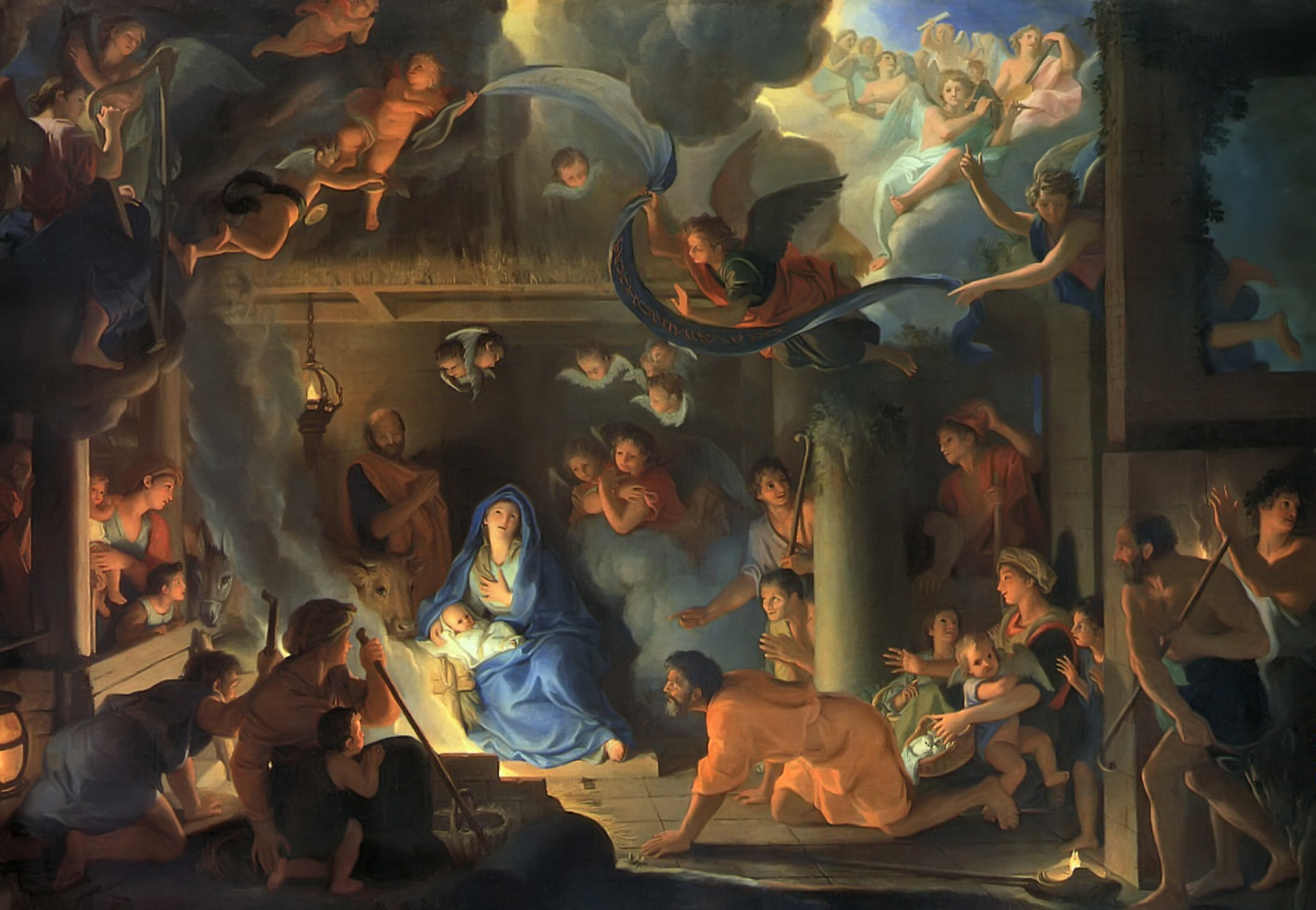
 The Adoration of the Shepherds, Charles le Brun, 1689. (Source)

I confess, I had meant to get this post out earlier. The end of term was hectic and the start of vacation distracting. So here I am, offering my thoughts on Advent reading when the season is already here and nearly halfway done. Still, we can begin to read true and edifying things on any day, especially in the a holy time set apart by the Church for reflection and contemplation of Our Lord in one of His cardinal mysteries. So I offer here a few reading ideas for those looking for a spiritual boost this winter.

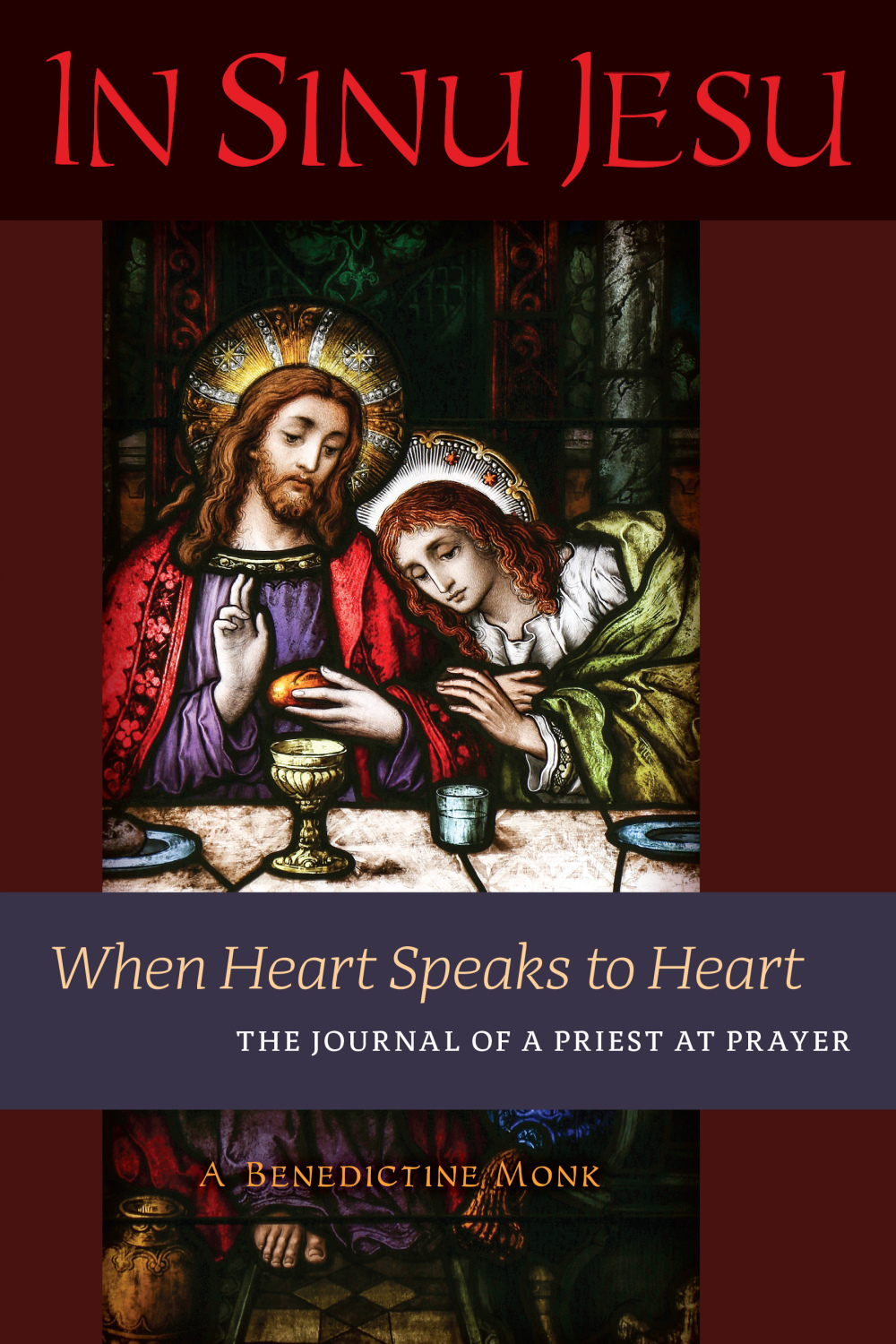
1. In Sinu Jesu: When Heart Speaks to Heart – the Journal of a Priest at Prayer

The cover of In Sinu Jesu (Source)

This meditative book is the sort of thing you’ll want to take to Adoration. Written by an anonymous Benedictine monk, it is jam-packed with consoling thoughts and inspiring messages. The author relates the various locutions from Our Lord and, occasionally, the Virgin and Saints, received in the inward ear of the heart in the course of profound prayer. Over the course of several years’ worth of journal entries, we read of the author’s deep vocation to reparation and adoration for the sanctification of priests. I would recommend this volume to any men considering a vocation of any kind. Its rhythmic, prayerful passages breathe and bristle with a sense of holiness rare among contemporary spiritual authors. The voice of Our Lord sings through it all, not as a trumpet or thunderclap, but as “a whistling of a gentle air” (1 Kings 19:12 DRA). Speaking only as a layman, I can say that this book completely revolutionized my spiritual life. I wonder where I should be now if it had not come into my hands a little over two years ago.

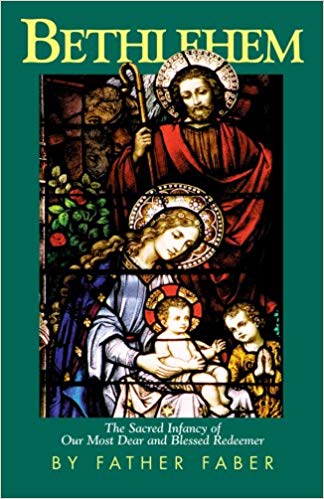
2. Bethlehem or 3. All For Jesus

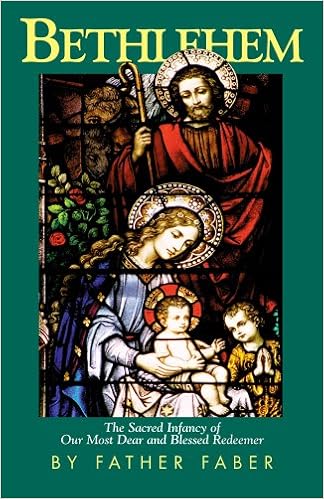
The cover of Bethlehem, by Fr. Frederick William Faber. (Source)

This list wouldn’t really be an Amish Catholic post about spiritual authors without some reference to Fr. Faber. The Apostle of London wrote many books about special devotions, graces, and mysteries of Our Lord’s life. His last volume, Bethlehem, is devoted to the birth and infancy of Jesus, making it especially suited for perusal at this season.

Like many of his other texts, Bethlehem is more devotional that practical. It is intended to inspire love for Our Lord under the particular mystery of his Incarnation. While this may be just what you need this Advent (and Christmas), you may desire something a bit more practical. How to grow in the practice of the love of Jesus? How to keep on in the unflagging task of Christian charity at a time so full of worldly distractions and weariness? How do we live out the Incarnation in our own lives?

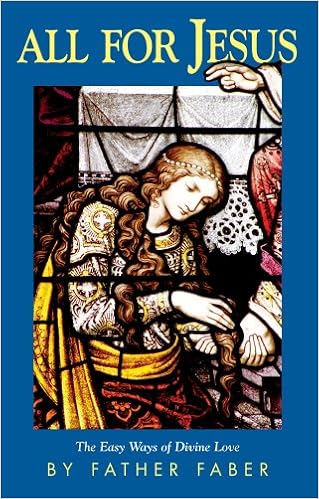
Cover of All For Jesus, by Fr. Faber (Source)

If this is the sort of thing you’d prefer in your Advent reading, then perhaps turn to Fr. Faber’s first great devotional work, All For Jesus, or the Easy Ways of Divine Love.

In this great volume, it is Fr. Faber’s task to kindle the zeal of his readers by demonstrating the sheer ease of love. He points to concrete, simple practices by which to further what he calls “the Interests of Jesus,” to save other souls, and to sanctify our own.

All For Jesus is my main spiritual reading this Advent, and I have already found it working marvels. If you would love God with warmer enthusiasm and brighter joy, then read Fr. Faber!

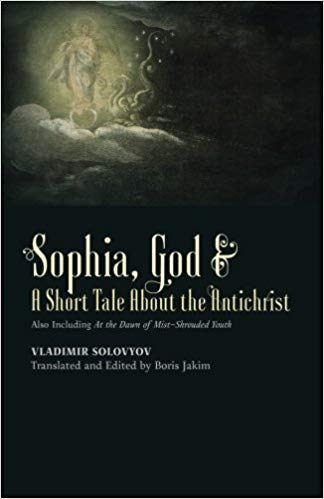
4. “A Short Tale About the Antichrist.”

You can find Boris Jakim’s translation of “A Short Tale About the Antichrist” in the collection Sophia, God, & A Short Tale About the Antichrist. (Source). 

This short story by Vladimir Solovyov, the “Russian Newman,” may seem like an odd choice for Advent. Yet Advent is the apocalyptic season par excellence. The liturgy turns our ears to the voices of the prophets and our  eyes towards the visions of the Last Day. And so it can be helpful to think creatively about what the end will be like.

I don’t believe Solovyov envisioned his (in some ways, rather prescient) tale of the future to be a literal prediction of what would happen. The man was not a fundamentalist, and this is not Left Behind. But he did see it as his spiritual last will and testament. The story is a powerful meditation on the nature of real evil, real Christian love, and what Christians will have to stand for in their last and terrible hour.

An edifying read, for sure.

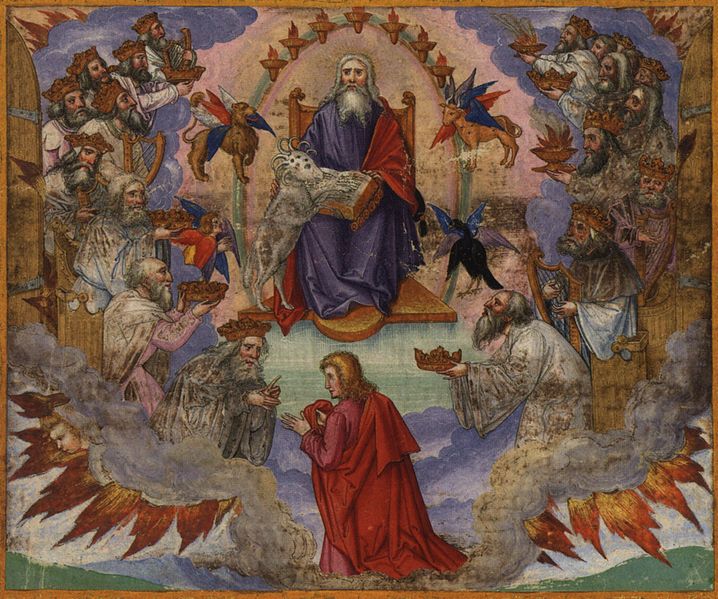
5. The Book of Revelation

An illustration of Rev. 4-5. (Source)

If you like your apocalypse unalloyed, then open your Bible, sit down, and read the entire Book of Revelation in one or two sittings. That may seem like a lot, but it brings lots of rewards. We often lose sight of the unity of the Bible’s individual books when we just pick at passages here and there. Reading the text fully through can help restore our vision of each book as what it is – an integral whole. With a book as symbol-laden as Revelation, that reclamation becomes even more important.

It is a holy and pious thing to meditate on the Second Coming of Our Lord in Advent. Reading the Apocalypse nourishes the soul’s sense of expectation and, indeed, her desire for the final judgment. The pious soul who seeks to be immersed in the text’s sapiential logic will gain many fruits. Those who go into it with only a narrow literalism will find nothing but an arid maze. This truth applies to all of Scripture, but most especially to its apocalyptic passages.

So, those are just five options for Advent reading. There are probably hundreds of other texts I could have chosen; thus we come one example of the great diversity that characterizes the true mind of the Church.

Advice from a French Nun

Screen Shot 2018-10-28 at 10.13.24 PM.png

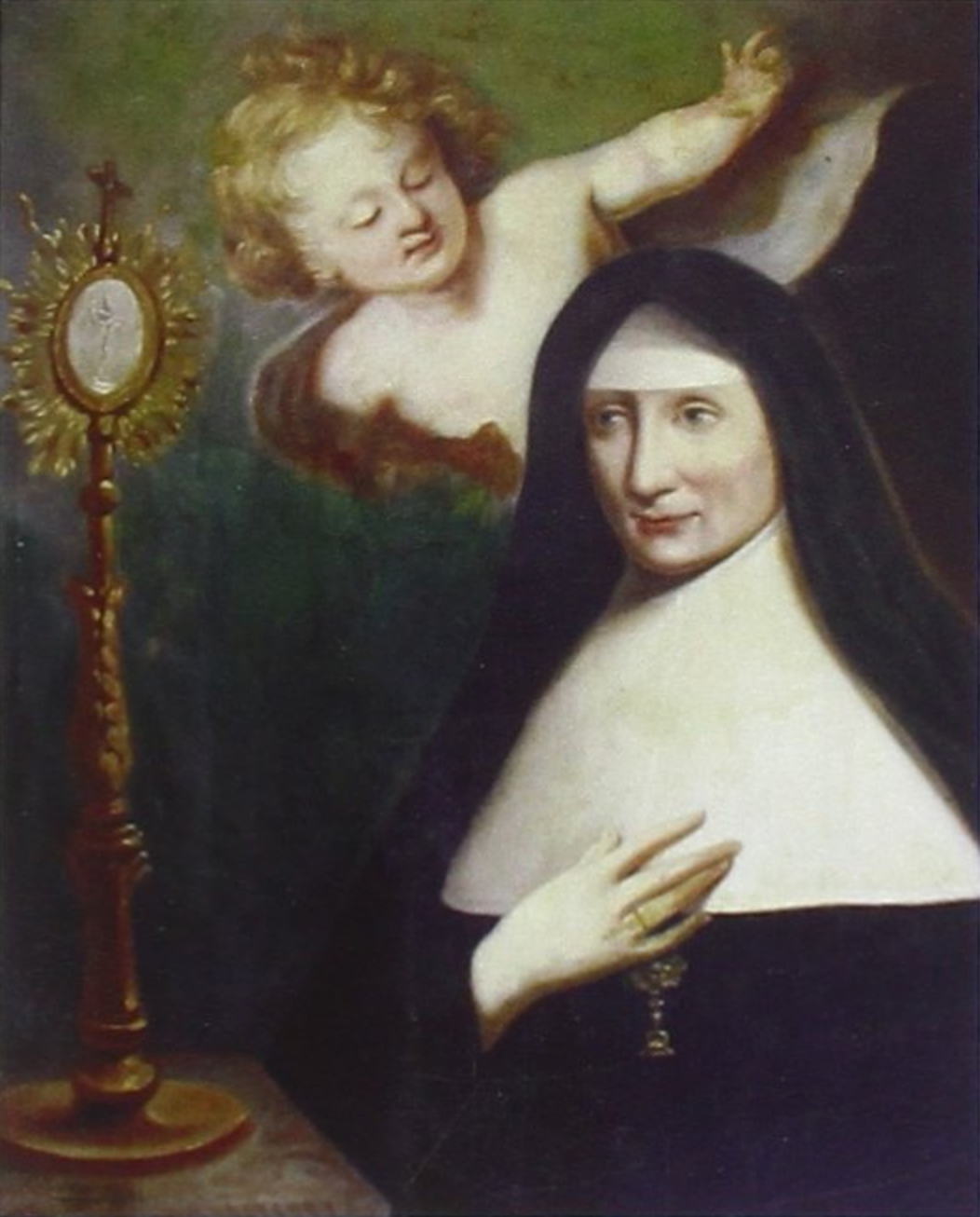
A portrait of Mother Mectilde de Bar adoring the Blessed Sacrament. (Source)

Sometimes readers ask me about more information on Mother Mectilde de Bar (1614-1698), the saintly foundress of the Benedictine Nuns of Perpetual Adoration of the Most Blessed Sacrament of the Altar. I would of course direct those who read French or Italian to any of the several biographical studies about Mother Mectilde that have come out in those languages. However, I would perhaps more eagerly urge my readers to a series of recent posts at Vultus Christi presenting what is, I believe, the first English translations of some of Mother Mectilde’s spiritual letters. Here they are with the titles the translator has given them at VC.

I. “So that I might begin to live in simplicity, like a child.”

II. “On the Meaning of Desolation and Sufferings.”

III. “The state in which you find yourself is of God.”

IV. “The divine labourer who works in you.”

V. “Yet ever thou art at my side.”

VI. “Nothingness doesn’t even attach itself to nothingness.”

VII. “Some sayings of Mother Mectilde.”

VIII. “He sets fire everywhere.”

IX. “All our discontent comes from self-will.”

And on top of all that, there’s a letter from the lay mystic Jean de Bernières to Mother Mectilde. Bernières is a good example of someone who, though posthumously condemned as a “Quietist,” is now being recovered as a source of valuable mystical insight. We have seen the same happen to Benet Canfield before, and it may yet occur to someone like Pietro Matteo Petrucci. More work needs to be done in this area. At any rate, translation of these early modern mystical works is badly needed.

Both as a practicing Catholic and as an historian of early modern Catholicism, I am encouraged that these works are being put into English for the first time. The English-speaking world is now getting a much better sense of the importance of this unique tradition within the Benedictine family. More translations, we are told, are coming. I eagerly await their publication.