Mère Angélique Arnauld on Mortification, Adoration, and Providence

The great reforming Abbess of Port-Royal, Mère Angélique Arnauld (1591-1661), is chiefly remembered today for her memorable role in the early phases of the Jansenist controversy. This is somewhat unfortunate, as the reform at Port-Royal was considerable and widely admired by such eminent figures as SS Francis de Sales and Jeanne-Françoise de Chantal. Leaving aside any historical question of Mère Angélique‘s actions in the Jansenist affair, I put forth my own translation of what is, I believe, a salutary text published long after her death. I would add that a Catholic may believe that the five propositions are heretical while also believing the nuns of Port-Royal were very badly treated by the authorities of church and state. The text is excerpted from Entretiens ou conferences de la reverende mère Marie-Angelique Arnauld (1767), pg. 331-34.
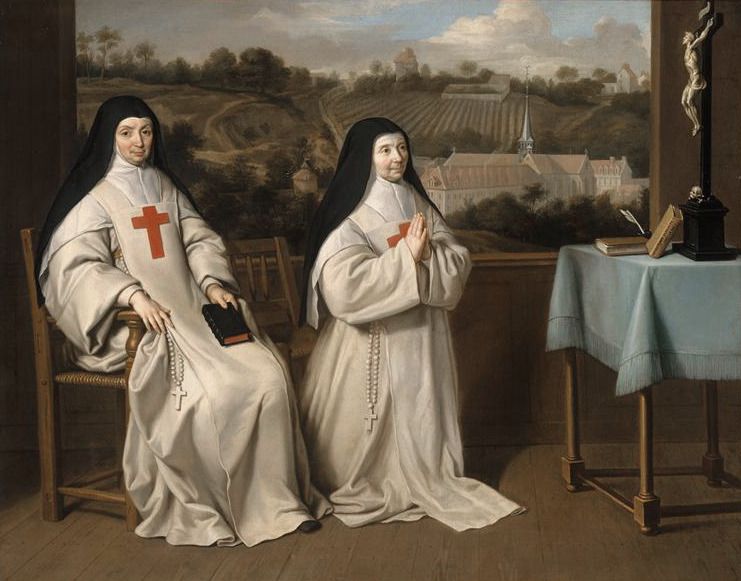
Philippe de Champaigne’s iconic double portrait of (l-r) Angélique and Agnès Arnauld, sisters and Abbesses of Port-Royal. (Source)

To have a part in the inheritance of Jesus Christ, one must suffer with Him: and what suffering did He endure? He suffered pains in his body: He suffered in His goods, because He desired to be born poor, and to endure the inconveniences of poverty: in His honor, for all the world knows in what fashion He was treated. Thus, if we desire to enjoy glory with Him, it is necessary to suffer with Him and like Him. I say to you in truth, my Sisters, that whosoever does not embrace mortification, he piles up affliction on affliction, not only for the life eternal, but also for the present…

The greatest need that we have is to adore God, and the greatest fault that we commit is not to do so. If therefore we beg of God the grace to adore Him, we remedy our greatest need, and in adoring Him, we repair our greatest faults. I wish that we would be so truly in this spirit of adoration, that we would have no other thoughts than to offer all creatures and ourselves in continual sacrifice to God. This would be a holocaust that would be more agreeable than all the prayers that we know how to say. Believe me: this would be the true way to obtain all the graces that are necessary for us. It is properly that which Our Lord said unto St. Catherine of Sienna: Think of me, and I shall think of thee. Consider, I pray you, the Blessed Virgin: she knew God from the moment of her conception, and from that moment she never ceased adoring Him…She followed Him with simplicity in time: she allowed herself to marry with the same simplicity; she received the quality of Mother of God in a profound adoration of His divine grandeur: her whole life was nothing but a perfect dependence on God. At the wedding at Cana, she contents herself with representing to her Son the necessity that she sees; and after having understood His response, she says to the servants: Do whatever he tells you; as if she had desired to say: I do not know what He wants to do, but obey that which He commands of you; if he says nothing unto you, do nothing…

It seems to me that it suffices to know that God is our Father, and after that what anxieties can we have in this life? When one has a Father at once wise, rich, good, and powerful, one fears nothing: but if he comes to die, we pity these poor orphans, fearing lest a tutor dissipate all their goods; but this is what cannot happen with God. So I do not understand how it can happen that one has so much mistrust of the mercy and the providence of God; do we therefore lack faith? Many times I find myself in rather disagreeable affairs, and He has always granted me the grace of handing over the event to His divine providence. One time in particular I found myself in a situation that was entirely difficult, and that was of no small importance; it put me in a great anguish, because I could see no daylight there. A good person wrote to me that when we do not see any remedy for things according to human prudence, God knows that we don’t know. This calmed me very much, so that all my anxieties ceased, and I have always believed so firmly in the providence of God, that nothing could shake me, because I know that He guides everything.
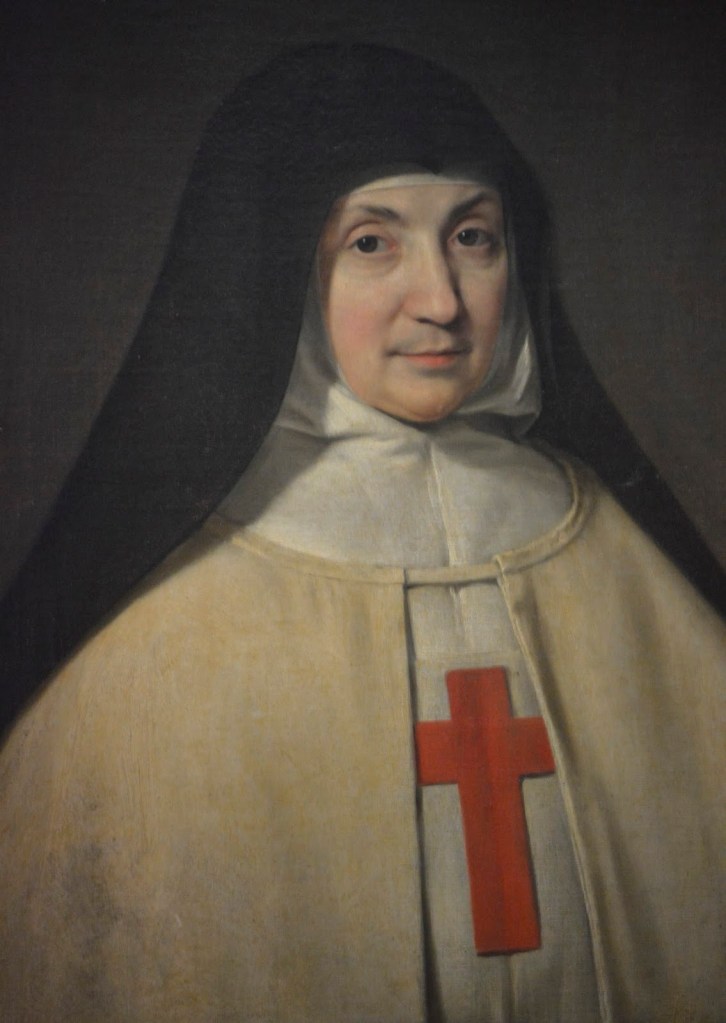
Mère Angélique Arnauld (Source)

Bossuet on the Sufficiency of God

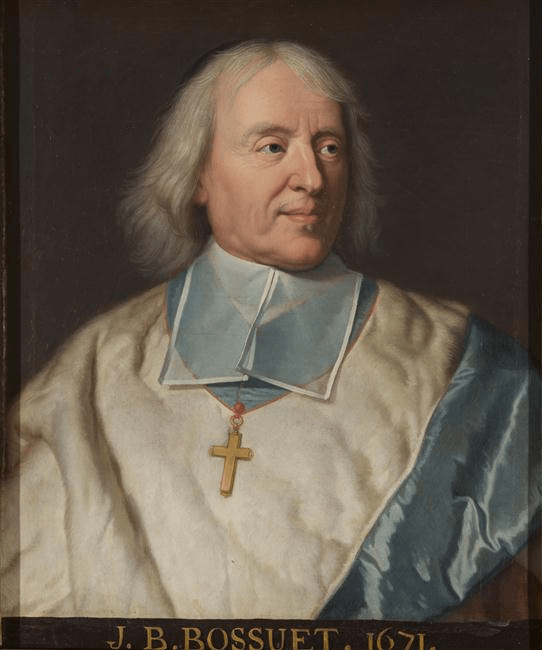
There are many candidates for the title of “Greatest Preacher in Christian History,” but my money’s on Jacques-Bénigne Bossuet (1627-1704), “The Eagle of Meaux,” Bishop and Tutor to the Grand Dauphin of France. Famed in his own day for the clarity of his doctrine, the incisive vigor of his spirituality, and the dazzling versatility of his oratorical skill, Bossuet stands as one of the late flowers of the Grand Siècle. Trumpet of the Gallicans and Hammer of Quietism, Bossuet nevertheless is not merely to be regarded as a relic of dusty seventeenth-century controversies. He still has much to teach us. In this excellent passage, excerpted from a recent translation and edited collection of his Meditations for Lent by Christopher O. Blum (Sophia Institute Press, 2013), we can see the essentially ascetic cast of Bossuet’s mind. This was the same man who, in a felicitious turn of phrase, elsewhere referred to the Rule of St. Benedict as “a little abridgment of the Gospel.” The relevant passage can be found on pages 10-12 of the source text.

Portrait of Bossuet by Charles Sevin de la Penaye, after Hyacinthe Rigaud, c. early 18th century (Source)

“Lord, show us the Father, and we shall be satisfied” (John 14:8). God alone suffices, and all we need to possess him is to see him, because in seeing him, we see all his goodness, as he himself explained to Moses: “I will make all my goodness pass before you” (Ex. 33:19). We see all that attracts our love, and we love him beyond all limits. Let us join St. Philip in saying with all our heart, “Lord, show us the Father, and we shall be satisfied.” He alone can fill all our emptiness, satisfy all our needs, content us, and make us happy.

Let us then empty our heart of all other things, for if the Father alone suffices, then we have no need for sensible goods, less for exterior wealth, and still less for the honor of men’s good opinion. We do not even need this mortal life; how then can we need those things necessary to preserve it? We need only God. He alone suffices. In possessing him we are content.

How courageous are these words of St. Philip! To say them truthfully, we must also be able to say with the apostles: “Lord, we have left everything and followed you” (cf. Matt. 19:27). At the least we must leave everything by way of affection, desire, and resolution, that is, by an invincible resolution to attach ourselves to nothing, to seek no support except in God alone. Happy are they who carry this desire to its limit, who make the final, lasting, and perfect renunciation! But let them not leave anything for themselves. Let them not say: “This little thing to which I am still attached, it is a mere nothing.” We know the nature of the human heart. Whenever a little thing is left to it, there the heart will place all its desires. Strip it all away; break from it; let it go. To own things as though one had nothing, to be married as though one were not, to make use of this world as though one were not using it, but as though it did not exist, and as though we were not a part of it: this is the true good for which we should strive. We are not Christians if we cannot say sincerely with St. Philip, “Show us the Father, and we shall be satisfied.”

It is from the very depths of faith that these words are spoken, and it is in a certain sense from the very foundation of nature itself. For in the depths of our nature we sense our need to posses God, that he alone is capable of fulfilling our nature, and that we are anxious and tormented when separated from him…Man, abandoned to himself, does not know what to do, nor what to become. His pleasures carry him off, and these very same pleasures destroy him. With each sin of the senses he gives himself a killing blow, and he not only kills his soul by his intemperance, in his blindness and ignorance he kills the very body that he would flatter. Since the Fall, man is born to be unhappy…We do not know how to desire or ask for what we need.

St. Philip’s words teach us everything. He limits himself to what Jesus taught us is the one thing needful. Lord, you are the way.

M. Olier on Patience for Christ

In week two of the Lenten Spirituality Series, we have another treasure from seventeenth-century France. One of the great exponents of the French School of Spirituality, M. Jean-Jacques Olier, writes movingly about our suffering in this life as a means of bringing us closer to Christ. His words on the virtue of Patience, though directly primarily to clerics, have a wider application to all Christians in their Royal Priesthood. The text is excerpted from M. Olier’s “Introduction to the Christian Life and Virtues,” translated by Lowell M. Glendon, S.S. in Bérulle and the French School: Selected Writings (Paulist Press, 1989), 244-47. M. Olier’s description of patience crescendos into a typically French, Eucharistic note.

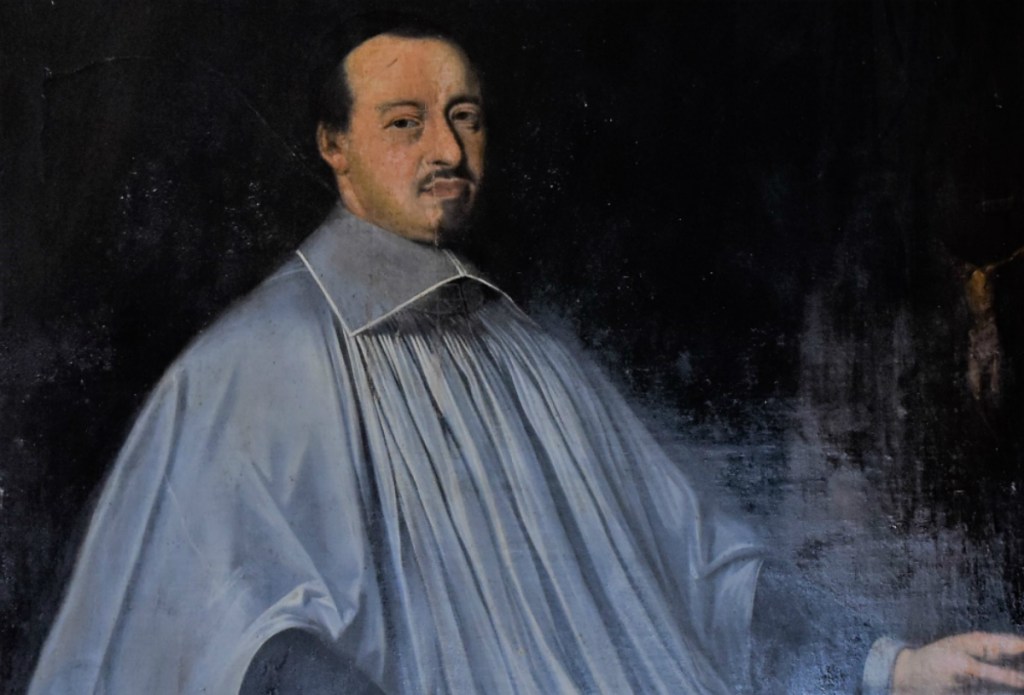
Jean-Jacques Olier, founder of the Sulpicians and a spiritual master of the Grand Siècle. (Source)

We are obliged to be patient. First, in our condition as creatures; for God, sovereign master of life and death, on whom our existence depends absolutely, has the right to dispose of us as he chooses…

Second, as sinners. For in this condition, we must bear with the effects of his justice and wrath toward us. All the punishments that he carries out in this world are nothing compared to what we deserve and what he would make use suffer if he did not choose to be merciful toward us and to treat us with gentleness and clemency in this life. The punishments that God meted out to sinners, as we see in the holy scripture, even the torments of the damned and the penalties the demons suffer and will suffer eternally for one sin, should cause us not only to be at peace, but to rejoice in our sufferings…

Third, as Christians. For as such we should bear with many difficulties and sufferings. This is why we are intitiated into the church. For our Lord only admitted us into it to continue his life, which is a life of opposition, contradiction, and condemnation toward the flesh.

He must then humiliate it and subdue it in us, using the ways he knows and judges to be most useful, so as to win a complete victory, He first achieved victory in his own flesh, and he wishes to continue it in ours in order to show forth in us a sample of the universal triumph that he had achieved over it in his own person.

The church and Christians are only a handful of flesh compared to the whole world. Nevertheless, he still desires to be victorious in them to proclaim his triumph and to give definite signs of his victory. Thus, from this perspective, the Christian should be very faithful to the Spirit and completely abandoned to him in order to overcome the flesh and to destroy it completely.

There will be no lack of opportunities in this life, for he must suffer; first, the attacks of the world through scorn, calumny and persecution; second, the violent onslaughts of the flesh in its uprisings and its revolts; third, the battles with the devil in the temptations he sends us; finally, the ordeals from God through dryness, desolation, abandonment and other interior difficulties, which he afflicts on him in order to initiate him into the perfect crucifixion of the flesh.

Fourth, as clerics. For clerics should participate in the fulfillment of Christianity. This cannot exist without patience.

Patience is a sign that the soul is intimately united to God and that it is rooted in perfection. For it must be very much in God and fully possessed by him in order to bear difficulties and torments with peace, tranquility and even joy and beatitude in one’s heart.

It must be quite profoundly immersed in him and remain quite powerfully and strongly united to him, so that the flesh has no power at all to attract it to itself and share with him the feelings and aversions that it has towards suffering and endurance.

In this state the soul experiences the perfection attainable in this life, since it conforms to our Lord’s perfect submission to God during his sufferings. For although his flesh experienced aversion and revulsion for the cross, he paid no attention to it with his will. Rather, he always adhered perfectly to the wishes of his Father.

Therefore clerics, being perfect Christians chosen from the midst of the church to assist before the tabernacle of God, should pay particular attention to this virtue. This is their very nature. It is the sign by which they can be identified. This is what predisposes them for the honorable rank that they possess. This is how they are recognized as domestics and servants of God.

Finally, priests and pastors should have a very high degree of patience because, in Jesus Christ and with Jesus Christ, they are both priests and victims for the sins of the world. Jesus Christ the priest wished to be the victim of his sacrifice. He became the host-victim for all people. Since priests are like sacraments and representations of him who lives in them to continue his priesthood and whom he clothes with his external conduct and his interior dispositions, as well as with his power and his person, he wishes furthermore that they be interiorly rooted in the spirit and dispositions of a host-victim in order to suffer, endure, do penance, in short, to immolate themselves for the glory of God and the salvation of the people.

In imitation of our Lord, priests should not only be victims for sin through persecution, penance, internal and external sufferings, but also they should be like the victims of a holocaust. This is their true vocation. For they should not merely suffer, as he did, all sorts of difficulties both for their own sins and the sins of the people entrusted to them, but even more the should be entirely consumed with him through love.

The spirit of love strengthens and empowers us to endure affliction and suffering, no matter how great they are. Since he is infinite, he gives us as much as we need to endure those that can occur in our vocation.

All the torments of the world are nothing to a generous soul filled with the power of a God, who is able to shoulder countless sufferings more violent than all those that the world and the devil might afflict us with. It is with this Spirit that Saint Paul said: I can do all things in him who strengthens me (Phil 4:14). Everything he saw seemed little to do or suffer because of the God who dwelled in him.

It is through this same eternal, immense, and all-powerful Spirit that he called his sufferings light and momentary, because Jesus Christ who suffered and bore them in himself and allowed him to see and experience something of his eternity through his presence, caused him to look upon the entire duration of this life as but a moment. This is how our Lord, who allows us to experience interiorly that his power and his strength could support a thousand worlds, leads us to call his burden light.

Propositions for the Pious

I offer the following propositions to my readers in a spirit of inquiry. Are these not edifying, pious, and – in many cases – straightforwardly true maxims? I have arranged them in thematic paragraphs, but beyond that, they do not issue from my hand. They are indeed far older maxims, drawn from the writings of certain noteworthy Catholic divines. Nevertheless, I should be very curious what my readers think of them – especially those with a theological background.

Are these not, on the whole, quite salutary? Do they not breathe the spirit of the best Fathers and Doctors, especially of those glorious Patriarchs of the West, SS Augustine and Thomas? Or, if anyone should find anything objectionable in them, what is the flaw? I ask sincerely. Those with ears to hear, let them hear.

In vain, O Lord, do You command, if You do not give what you command. Thus, O Lord, all things are possible to him for whom You make all things possible by effecting those same things in him.

All knowledge of God, even natural knowledge, even in the pagan philosophers, cannot come except from God; and without grace knowledge produces nothing but presumption, vanity, and opposition to God Himself, instead of the affections of adoration, gratitude, and love. As there is no sin without love of ourselves, so there is no good work without love of God.

A mark of the Christian Church is that it is catholic, embracing all the angels of heaven, all the elect and the just on earth, and of all times. What is the Church except an assembly of the sons of God abiding in His bosom, adopted in Christ, subsisting in His person, redeemed by His blood, living in His spirit, acting through His grace, and awaiting the grace of the future life? The Church or the whole Christ has the Incarnate Word as head but all the saints as members. The Church is one single man composed of many members, of which Christ is the head, the life, the subsistence and the person- it is one single Christ composed of many saints, of whom He is the sanctifier. There is nothing more spacious than the Church of God; because all the elect and the just of all ages comprise it.

It is useful and necessary at all times, in all places, and for every kind of person, to study and to know the spirit, the piety, and the mysteries of Sacred Scripture. The reading of Sacred Scripture is for all. The sacred obscurity of the Word of God is no reason for the laity to dispense themselves from reading it. The Lord’s Day ought to be sanctified by Christians with readings of pious works and above all of the Holy Scriptures. It is harmful for a Christian to wish to withdraw from this reading. It is an illusion to persuade oneself that knowledge of the mysteries of religion should not be communicated to women by the reading of Sacred Scriptures. Not from the simplicity of women, but from the proud knowledge of men has arisen the abuse of the Scriptures and have heresies been born. To snatch away from the hands of Christians the New Testament, or to hold it closed against them by taking away from them the means of understanding it, is to close for them the mouth of Christ. To forbid Christians to read Sacred Scripture, especially the Gospels, is to forbid the use of light to the sons of light, and to cause them to suffer a kind of excommunication. To snatch from the simple people this consolation of joining their voice to the voice of the whole Church is a custom contrary to the apostolic practice and to the intention of God.

A method full of wisdom, light, and charity is to give souls time for bearing with humility. and for experiencing their state of sin, for seeking the spirit of penance and contrition, and for beginning at least to satisfy the justice of God, before they are reconciled.

To suffer in peace an excommunication and an unjust anathema rather than betray truth, is to imitate St. Paul; far be it from rebelling against authority or of destroying unity.

Nothing engenders a worse opinion of the Church among her enemies than to see exercised there an absolute rule over the faith of the faithful, and to see divisions fostered because of matters which do not violate faith or morals. Truths have descended to this, that they are, as it were, a foreign tongue to most Christians, and the manner of preaching them is, as it were, an unknown idiom, so remote is the manner of preaching from the simplicity of the apostles. and so much above the common grasp of the faithful; nor is there sufficient advertence to the fact that this defect is one of the greatest visible signs of the weakening of the Church and of the wrath of God on His sons. Stubbornness, investigation, and obstinacy in being unwilling either to examine something or to acknowledge that one has been deceived daily changes into an odor, as it were, of death, for many people, that which God has placed in His Church to be an odor of life within it, for instance, good books, instructions, holy examples, etc. Deplorable is the time in which God is believed to be honored by persecution of the truth and its disciples! This time has come…. To be considered and treated by the ministers of religion as impious and unworthy of all commerce with God, as a putrid member capable of corrupting everything in the society of saints, is to pious men a more terrible death than the death of the body. In vain does anyone flatter himself on the purity of his intentions and on a certain zeal for religion, when he persecutes honest men with fire and sword, if he is blinded by his own passion or carried away by that of another on account of which he does not want to examine anything. We frequently believe that we arc sacrificing an impious man to God, when we are sacrificing a servant of God to the devil.

Elsewhere: Catholic Kabbalah

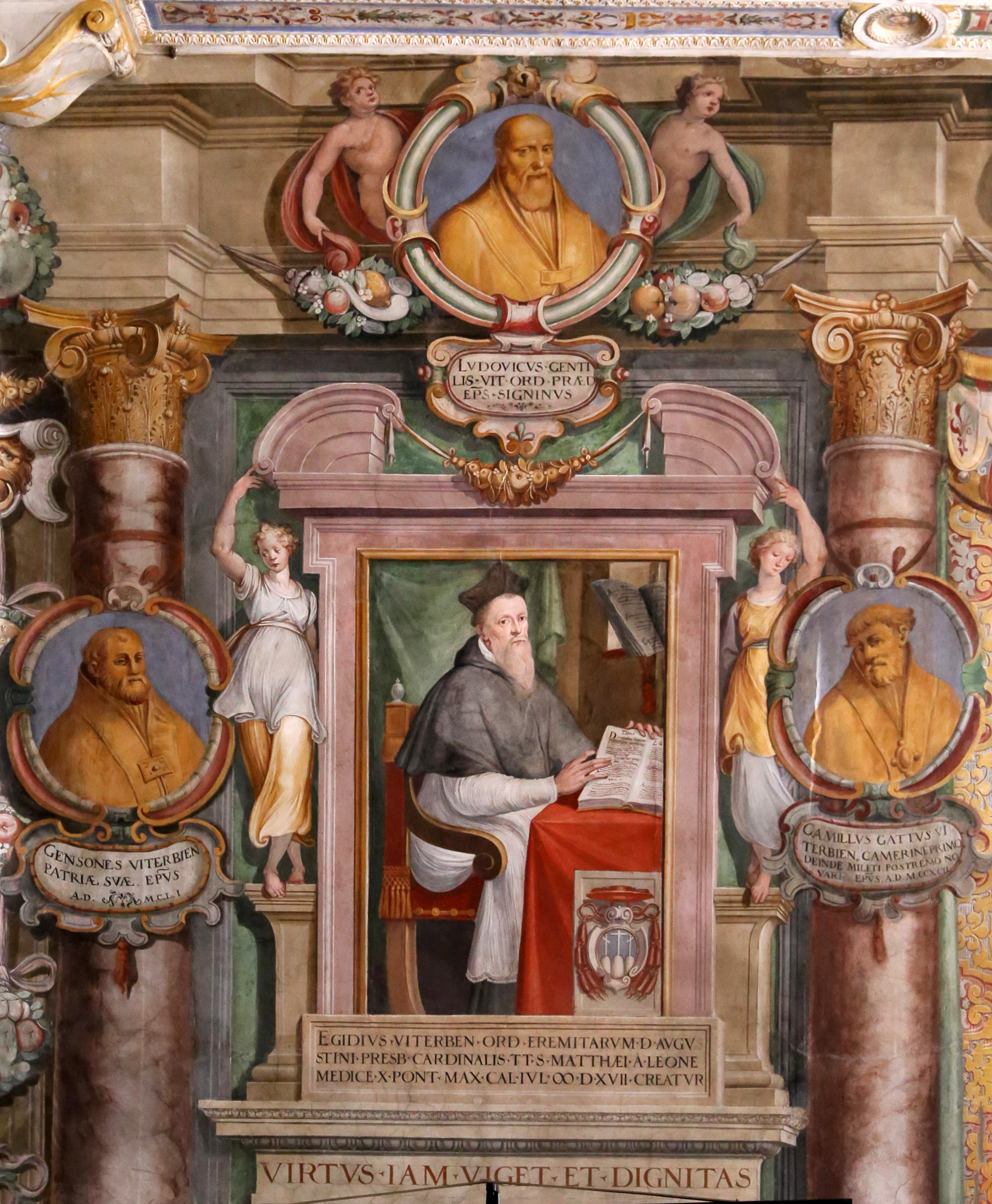
Portrait of Giles of Viterbo in his old Palazzo (Source)

Over at Church Life Journal, Andrew Kuiper has a tour-de-force article on the history and theology of Catholic Kabbalah. His review of four Catholic Kabbalists – Pico della Mirandola, Johannes Reuchlin, Giles of Viterbo, and St. John Fisher – is a model of intellectual history. He does a great job showing the continuing relevance of Kabbalah for Catholic (and other Christian) thinkers throughout the centuries.

The piece is amply cited and provides several helpful theological considerations. I thought Kuiper’s nod towards Sophiology was particularly enlightening. If Christian Kabbalah has a place in Catholic theology today, I predict that it will be in the writings of latter-day Sophiologists.

If I were to offer a criticism of Kuiper’s piece, it would be a very minor one at that: he makes no reference to the works of Margaret Barker. Her research has shed a new light on the roots of Christianity and Jewish mysticism (in both its Merkabah and later Sephirotic developments) in the memory of the First Temple. Reading Kabbalistic texts through a Temple lens can ease their Christian interpretation. But I digress.

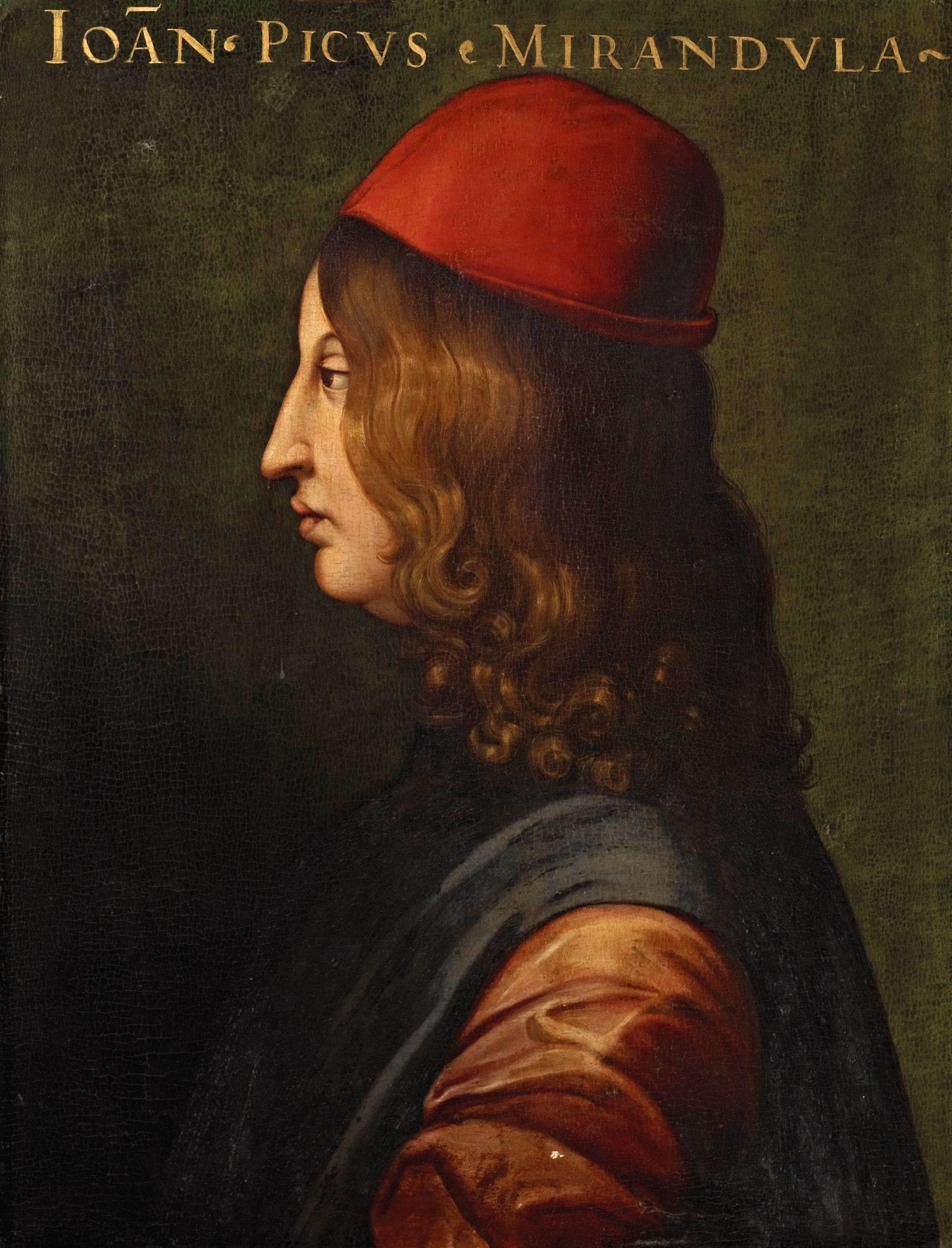
Pico della Mirandola, a pioneer in the Christian use of Kabbalah. (Source)

Perhaps the most exciting part of the article, for a historian of the period, is Kuiper’s various references to the Kabbalistic books written by these Christians of the 15th and 16th centuries. I would particularly keen on finding the text of Giles of Viterbo’s Shechina or Pico’s Heptaplus. Some of these hard-to-find volumes have never been translated into English.

It is not easy to summarize the teachings of the Jewish mystics, nor their Christian interpreters. Kuiper does both with commendable attention to detail and obvious competence, all while keeping things clear and concise enough for a lay reader. This article also provides a badly-needed defense of the respectability of Kabbalah as a field of study. Its bastardization in recent times, exemplified most clearly by Madonna et al., has led some to question whether Kabbalah is anything more than a gnostic mishmash of magic with Hebrew letters. I have heard colleagues dismiss it entirely as a field of serious inquiry for a historian or theologian. This tendency seems especially strong with Christian academics, many of whom retain outdated ideas about Jewish mysticism or who simply haven’t up with the post-Scholem rediscovery of Kabbalah. Kuiper’s intervention is a broadside against this boring complacency. It’s not exactly “a cruel angel’s thesis,” but it is one worth defending.

Fénelon on Perseverance in Prayer

In Lent, I often return to the words of the great Bishop of Cambrai, François de Salignac de la Mothe-Fénelon. He is a perennially refreshing source of spiritual wisdom and guidance. Since we are finally in Passiontide, I thought this excerpt from Fénelon’s sermon on prayer, “The Saints Converse with God,” would be greatly edifying for all those of my readers keeping up with the Lenten Spirituality Series.

A portrait of Fénelon in excellent blue-purple episcopal garb (Source)

We must pray with perseverance. The perfect heart is never weary of seeking God. Ought we to complain if God sometimes leaves us to obscurity, and doubt, and temptation? Trials purify humble souls, and they serve to expiate the faults of the unfaithful. They confound those who, even in their prayers, have flattered their cowardice and pride. If an innocent soul, devoted to God, suffer from any secret disturbance, it should be humble, adore the designs of God, and redouble its prayers and its fervor. How often do we hear those who every day have to reproach themselves with unfaithfulness toward God complain that He refuses to answer their prayers! Ought they not to acknowledge that it is their sins which have formed a thick cloud between Heaven and them, and that God has justly hidden Himself from them? How often has He recalled us from our wanderings! How often, ungrateful as we are, have we been deaf to His voice and insensible to His goodness! He would make us feel that we are blind and miserable when we forsake Him. He would teach us, by privation, the value of the blessings that we have slighted. And shall we not bear our punishment with patience? Who can boast of having done all that he ought to have done; of having repaired all his past errors; of having purified his heart, so that he may claim as a right that God should listen to his prayer? Most truly, all our pride, great as it is, would not be sufficient to inspire such presumption! If then, the Almighty do not grant our petitions, let us adore His justice, let us be silent, let us humble ourselves, and let us pray without ceasing. This humble perseverance will obtain from Him what we should never obtain by our own merit. It will make us pass happily from darkness to light; for know, says St. Augustine, that God is near to us even when He appears far from us.

Six Years a Catholic

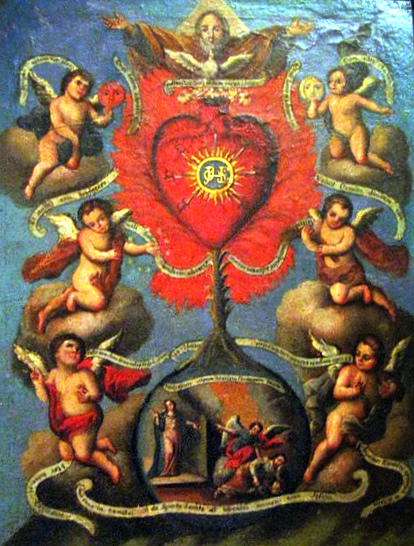
Allegory of the Heart of St. Joseph (Source)

On the 30th of March, 2013, I made the profession of faith at the Easter Vigil and received the sacraments of Confirmation and First Holy Communion from then-Bishop-Elect David Talley. I can still remember the night well. It was raining hard outside, and so we had to light the Paschal fire at the church door. We catechumens and confirmandi huddled in darkness while the rites began. It was a moment of profound holiness, and an Easter liturgy I will never forget.

Much has happened since that night. I am still a sinner, much as I was then. Perhaps I am a bit more aware of the fact, though. That’s a grace in itself. I have been a student, a pilgrim, and a devotee. I have made many friends in heaven and earth who have helped me along the way to God. I am grateful for every one of them, and I hope I have been able to do the same from time to time.

Ever since 2014, I have consecrated every year of my life as a Catholic to some Holy Person. My second year was dedicated to Our Lady, the third to the Holy Ghost, the fourth to the Sacred Heart of Jesus, and the fifth to the Sorrowful and Immaculate Heart of Mary. Keeping in this vein, I hereby consecrate my sixth year as a Catholic to the Most Chaste Heart of St. Joseph.

The Most Chaste Heart of St. Joseph (Source)

St. Joseph has been a great friend to me in the past, and has proven the power of his intercession on more than one occasion. I ask my readers to join me in praying now that St. Joseph will bless this coming year with abundant graces proper to my state of life, and especially an outpouring of those virtues which he so admirably exemplified: humility, purity, simplicity, detachment, submission to the will of God, reverence, and a constant, attentive devotion to Jesus and Mary.

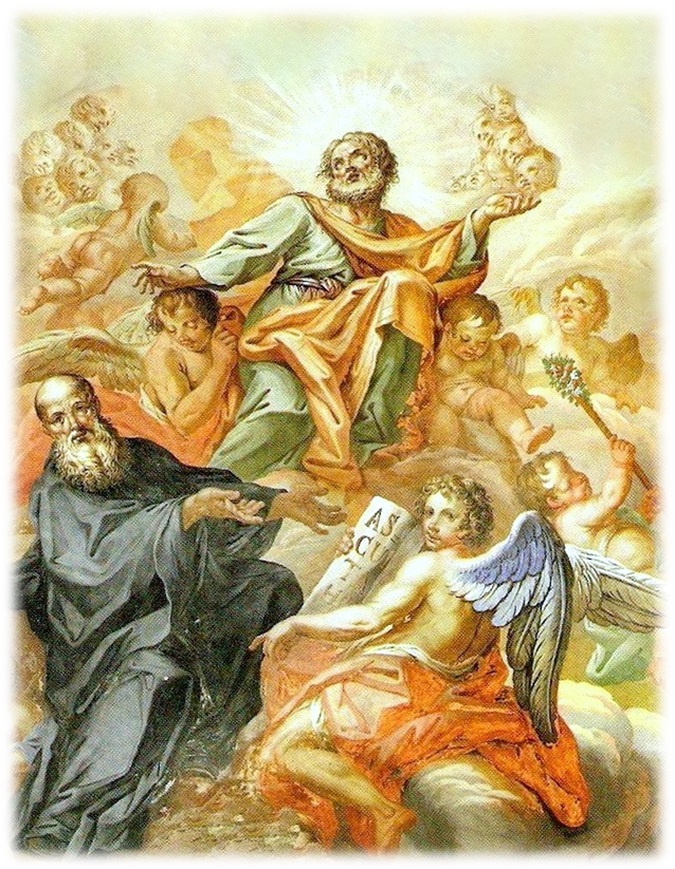
St. Joseph with St Benedict and angels (Source)

Holy St. Joseph, pray for me.

Mighty St. Joseph, pray for me.

Humble St. Joseph, pray for me.

Pure St. Joseph, pray for me.

Pious St. Joseph, pray for me.

Sweet St. Joseph, pray for me.

Heart of St. Joseph, pray for me.

Amen.

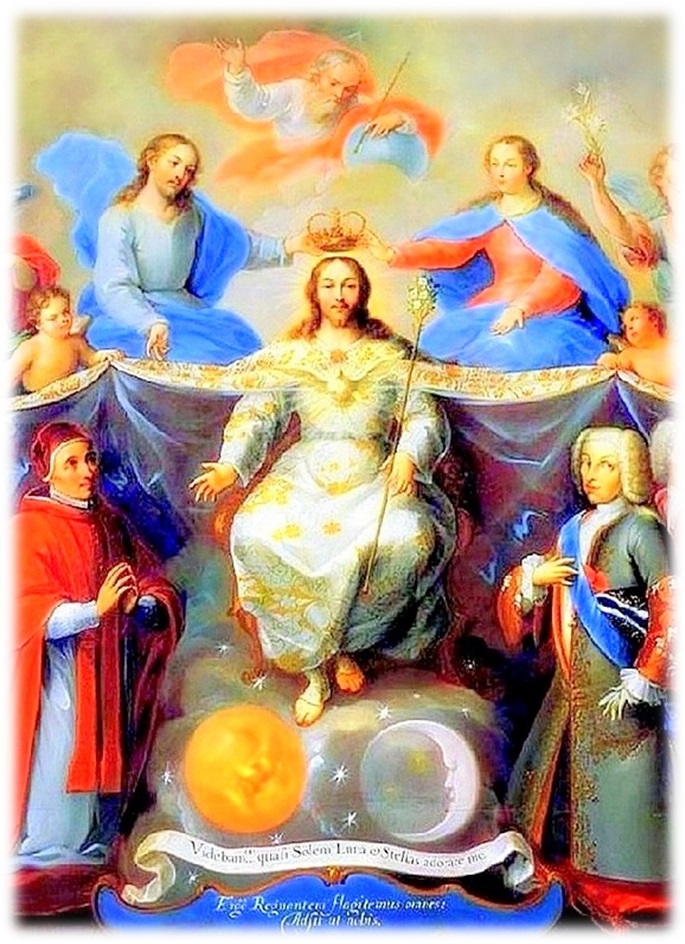
The Coronation of St. Joseph (Source)


St. Francis de Sales on Aridity in Prayer

This Lent, I will post a spiritual lesson every Friday. I start the series with a short passage out of St. Francis de Sales’ famous Introduction to the Devout Life, Part II, Chapter 9

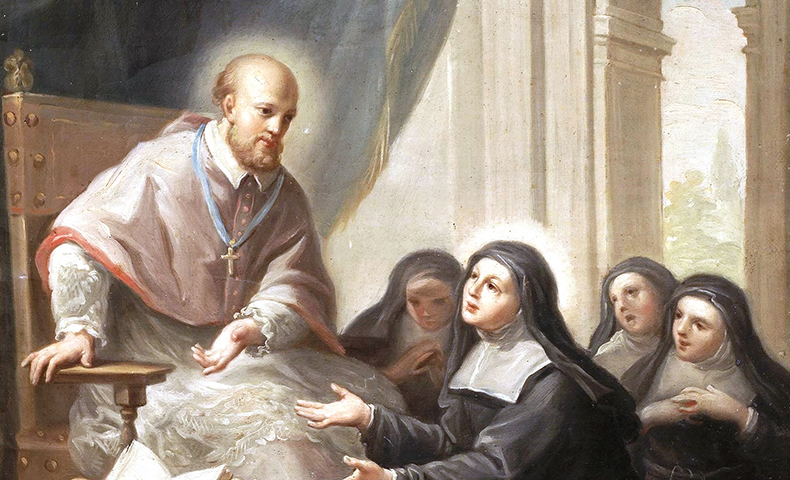
Let the Gentleman Saint help you this Lent. (Source)

SHOULD it happen sometimes, my daughter, that you have no taste for or consolation in your meditation, I entreat you not to be troubled, but seek relief in vocal prayer, bemoan yourself to our Lord, confess your unworthiness, implore His Aid, kiss His Image, if it be beside you, and say in the words of Jacob, “I will not let Thee go, except Thou bless me;” or with the Canaanitish woman, “Yes, Lord, I am as a dog before Thee, but the dogs eat of the crumbs which fall from their master’s table.”

Or you can take a book, and read attentively till such time as your mind is calmed and quickened; or sometimes you may find help from external actions, such as prostrating yourself folding your hands upon your breast, kissing your Crucifix,—that is, supposing you are alone. But if, after all this, you are still unrelieved, do not be disturbed at your dryness, however great it be, but continue striving after a devout attitude in God’s Sight. What numbers of courtiers appear a hundred times at court without any hope of a word from their king, but merely to pay their homage and be seen of him. Just so, my daughter, we ought to enter upon mental prayer purely to fulfil our duty and testify our loyalty. If it pleases God’s Divine Majesty to speak to us, and discourse in our hearts by His Holy Inspirations and inward consolations, it is doubtless a great honour, and very sweet to our soul; but if He does not vouchsafe such favours, but makes as though He saw us not,—as though we were not in His Presence,—nevertheless we must not quit it, but on the contrary we must remain calmly and devoutly before Him, and He is certain to accept our patient waiting, and give heed to our assiduity and perseverance; so that another time He will impart to us His consolations, and let us taste all the sweetness of holy meditation. But even were it not so, let us, my child, be satisfied with the privilege of being in His Presence and seen of Him.


5 Ideas for Advent Spiritual Reading

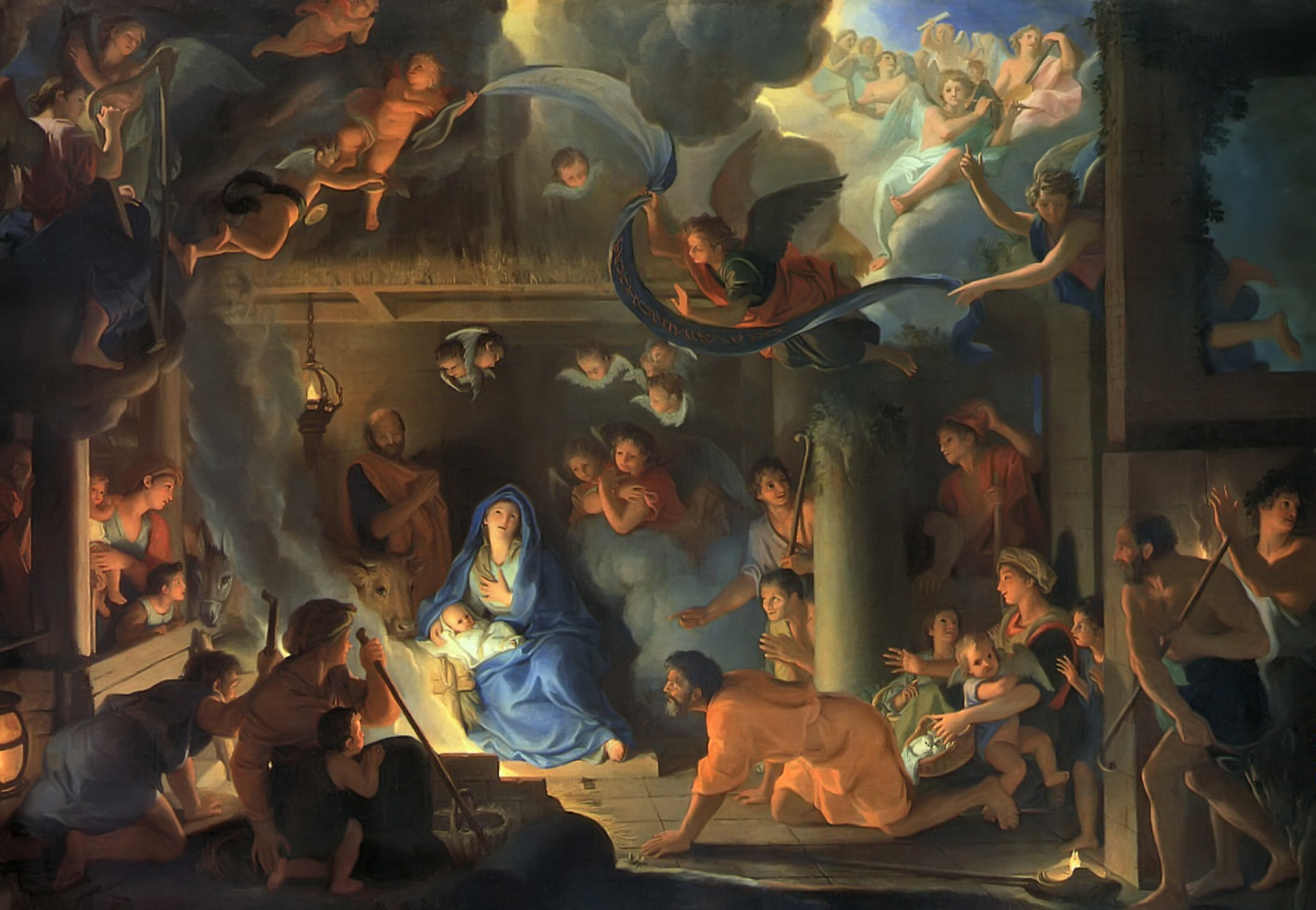
 The Adoration of the Shepherds, Charles le Brun, 1689. (Source)

I confess, I had meant to get this post out earlier. The end of term was hectic and the start of vacation distracting. So here I am, offering my thoughts on Advent reading when the season is already here and nearly halfway done. Still, we can begin to read true and edifying things on any day, especially in the a holy time set apart by the Church for reflection and contemplation of Our Lord in one of His cardinal mysteries. So I offer here a few reading ideas for those looking for a spiritual boost this winter.

1. In Sinu Jesu: When Heart Speaks to Heart – the Journal of a Priest at Prayer

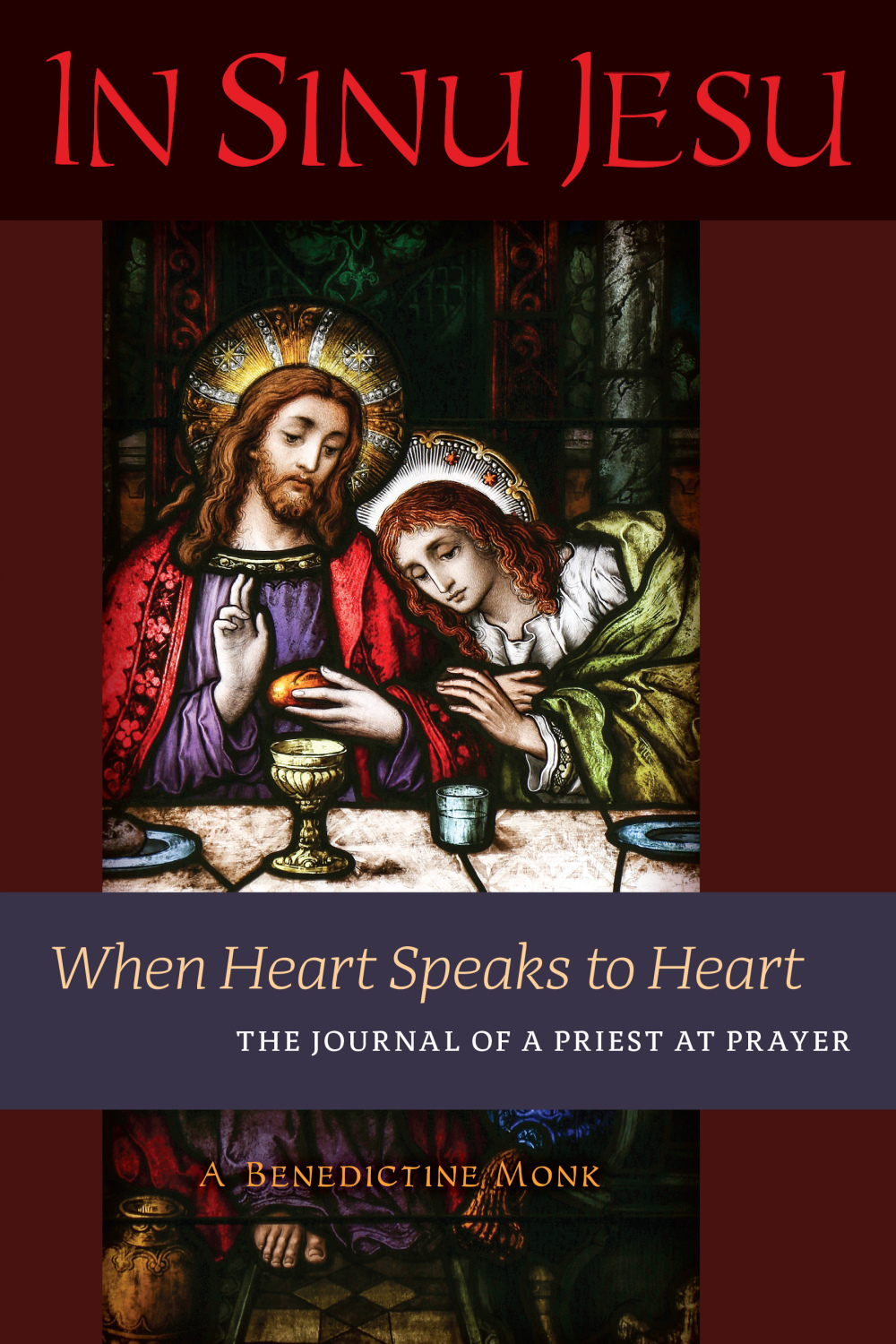
The cover of In Sinu Jesu (Source)

This meditative book is the sort of thing you’ll want to take to Adoration. Written by an anonymous Benedictine monk, it is jam-packed with consoling thoughts and inspiring messages. The author relates the various locutions from Our Lord and, occasionally, the Virgin and Saints, received in the inward ear of the heart in the course of profound prayer. Over the course of several years’ worth of journal entries, we read of the author’s deep vocation to reparation and adoration for the sanctification of priests. I would recommend this volume to any men considering a vocation of any kind. Its rhythmic, prayerful passages breathe and bristle with a sense of holiness rare among contemporary spiritual authors. The voice of Our Lord sings through it all, not as a trumpet or thunderclap, but as “a whistling of a gentle air” (1 Kings 19:12 DRA). Speaking only as a layman, I can say that this book completely revolutionized my spiritual life. I wonder where I should be now if it had not come into my hands a little over two years ago.

2. Bethlehem or 3. All For Jesus

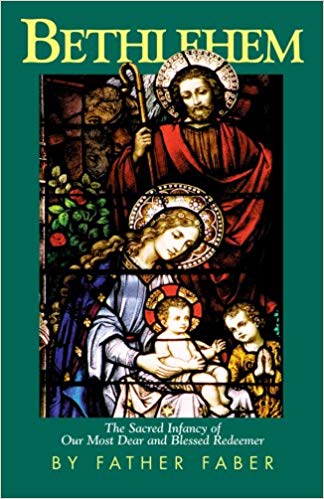
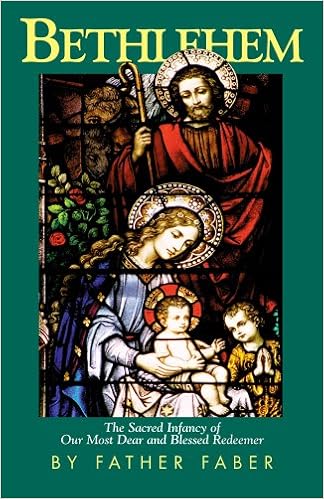
The cover of Bethlehem, by Fr. Frederick William Faber. (Source)

This list wouldn’t really be an Amish Catholic post about spiritual authors without some reference to Fr. Faber. The Apostle of London wrote many books about special devotions, graces, and mysteries of Our Lord’s life. His last volume, Bethlehem, is devoted to the birth and infancy of Jesus, making it especially suited for perusal at this season.

Like many of his other texts, Bethlehem is more devotional that practical. It is intended to inspire love for Our Lord under the particular mystery of his Incarnation. While this may be just what you need this Advent (and Christmas), you may desire something a bit more practical. How to grow in the practice of the love of Jesus? How to keep on in the unflagging task of Christian charity at a time so full of worldly distractions and weariness? How do we live out the Incarnation in our own lives?

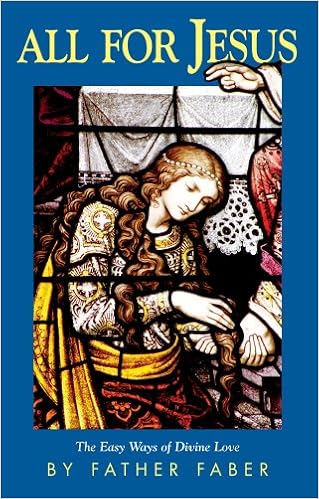
Cover of All For Jesus, by Fr. Faber (Source)

If this is the sort of thing you’d prefer in your Advent reading, then perhaps turn to Fr. Faber’s first great devotional work, All For Jesus, or the Easy Ways of Divine Love.

In this great volume, it is Fr. Faber’s task to kindle the zeal of his readers by demonstrating the sheer ease of love. He points to concrete, simple practices by which to further what he calls “the Interests of Jesus,” to save other souls, and to sanctify our own.

All For Jesus is my main spiritual reading this Advent, and I have already found it working marvels. If you would love God with warmer enthusiasm and brighter joy, then read Fr. Faber!

4. “A Short Tale About the Antichrist.”

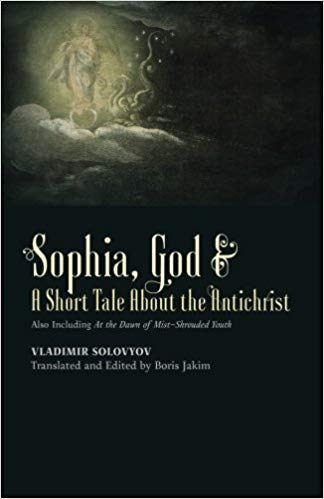
You can find Boris Jakim’s translation of “A Short Tale About the Antichrist” in the collection Sophia, God, & A Short Tale About the Antichrist. (Source). 

This short story by Vladimir Solovyov, the “Russian Newman,” may seem like an odd choice for Advent. Yet Advent is the apocalyptic season par excellence. The liturgy turns our ears to the voices of the prophets and our  eyes towards the visions of the Last Day. And so it can be helpful to think creatively about what the end will be like.

I don’t believe Solovyov envisioned his (in some ways, rather prescient) tale of the future to be a literal prediction of what would happen. The man was not a fundamentalist, and this is not Left Behind. But he did see it as his spiritual last will and testament. The story is a powerful meditation on the nature of real evil, real Christian love, and what Christians will have to stand for in their last and terrible hour.

An edifying read, for sure.

5. The Book of Revelation

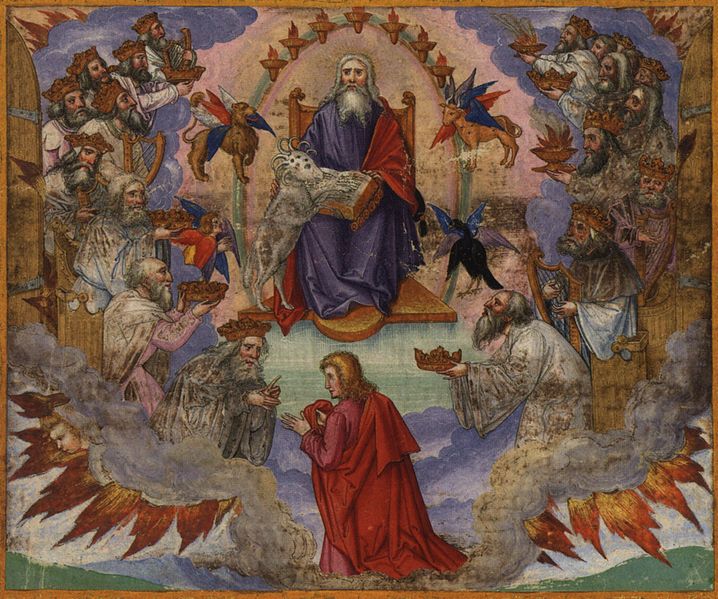
An illustration of Rev. 4-5. (Source)

If you like your apocalypse unalloyed, then open your Bible, sit down, and read the entire Book of Revelation in one or two sittings. That may seem like a lot, but it brings lots of rewards. We often lose sight of the unity of the Bible’s individual books when we just pick at passages here and there. Reading the text fully through can help restore our vision of each book as what it is – an integral whole. With a book as symbol-laden as Revelation, that reclamation becomes even more important.

It is a holy and pious thing to meditate on the Second Coming of Our Lord in Advent. Reading the Apocalypse nourishes the soul’s sense of expectation and, indeed, her desire for the final judgment. The pious soul who seeks to be immersed in the text’s sapiential logic will gain many fruits. Those who go into it with only a narrow literalism will find nothing but an arid maze. This truth applies to all of Scripture, but most especially to its apocalyptic passages.

So, those are just five options for Advent reading. There are probably hundreds of other texts I could have chosen; thus we come one example of the great diversity that characterizes the true mind of the Church.

Elsewhere: Keanu Heydari on Conversion

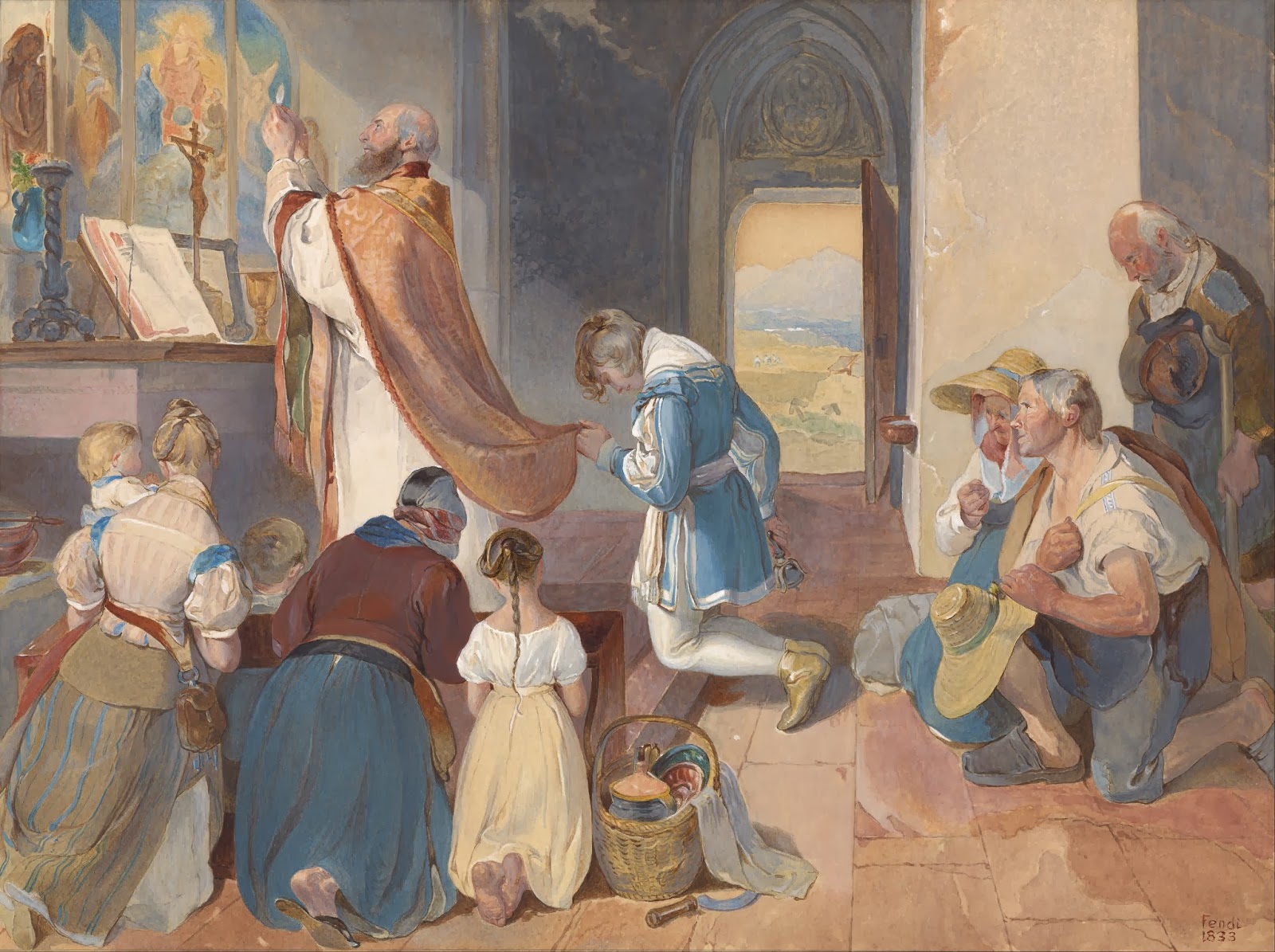
Peter_Fendi_(Austrian_-_Fridolin_Assists_with_the_Holy_Mass_-_Google_Art_Project

Fridolin Assists with the Holy Mass, Peter Fendi. (Source)

Earlier this month, my friend Keanu Heydari penned what is, I think, a very good essay about his own conversion and about conversion in general. I thought these two paragraphs were especially poignant:

If Jesus is the slain Lamb of God, the content of reconciliation is substantial rather than conceptual, or even primarily juridical. Forgiveness is freely given by God, but rather than bestowed, it is—like a substance—dealt with. It is held, beheld, and shared. I am speaking, of course, of understanding reconciliation as a sacramental event rather than as (primarily) juridical proclamation. The removal of our guilt is a free gift of the gracious God, yet it is not as a word, spoken in a booming voice. It is the material, densely textured experience of Jesus Christ, the Word, the Lamb of God, as he dies on Calvary, by the Church community, in the reception of the sacraments, wherein we receive God. The Psalmist implores, “O taste and see that the Lord is good!” (Ps. 34:8, RSV2CE). We taste and see, we behold, the forgiveness of God.

But pictures say more than words ever can. The Catholic artistic paradigm overflows with meaning. It is effusive, dynamic, and embodied. It is densely textured, thickly self-describing, multi-dimensional, and frankly excessive. But it is precisely in these Rabelaisian excesses that Catholic aesthetics gesture, even more powerfully, towards the ineffable, over and above the words themselves that are used in the liturgy. Sacramentally, we can truly say “Ecce homo.” Artistically, we are reminded that things are really happening outside of us, that we aren’t automata aimlessly generating profit for managers and selling our productivity to survive. We are more than the sum of our extrinsically imposed reductive component parts. The liturgy revels in its (in Cartesian terms) obscene uselessness. The defiance of the mass is its strongest selling point, as it were.

Read the whole thing. In what is proving to be an extraordinarily dark time for the Church, Keanu’s essay brings a good deal of hope in the fundamental promise of salvation.