An Oxonian Blog Worth Reading

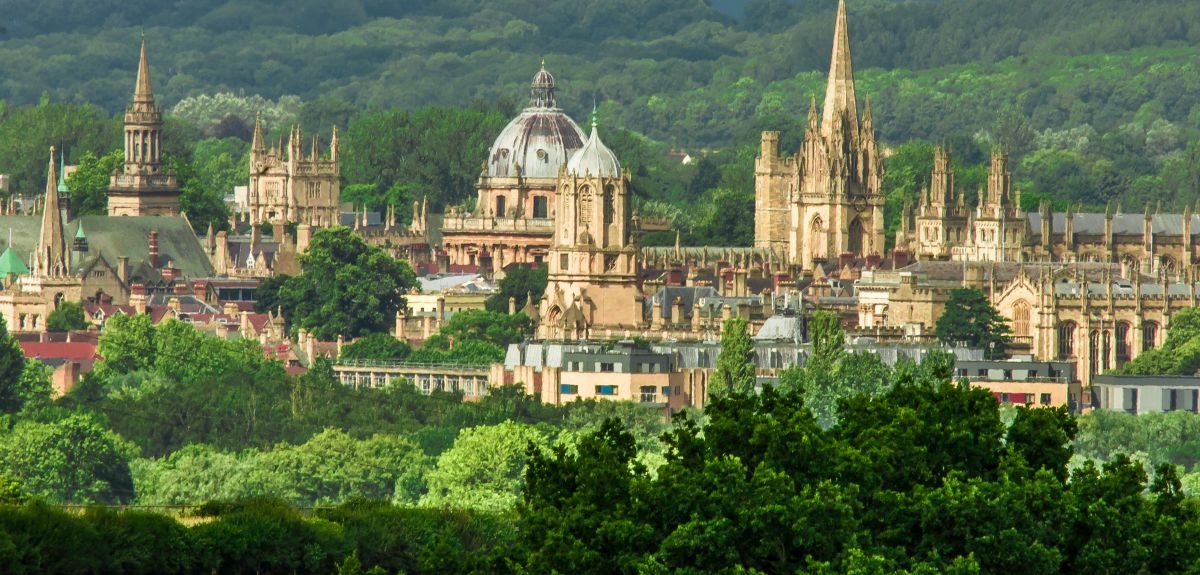
The dreaming spires of Oxford. (Source)

I have just discovered that Once I Was a Clever Boy, a blog I used to enjoy but was sorry to see in hiatus, has returned. John Whitehead, the blog’s author, is a friend and a Brother of the Little Oratory here in Oxford. He hasn’t put up any new content recently. Nevertheless, there was a long time when for whatever technical reason – either on John’s end or mine, I was never sure – the blog was totally inaccessible. I’m very happy to see it’s back, and I look forward to more content from this quintessentially Oxonian blog.

Happy New Year From The Amish Catholic!

Thus concludes Anno Domini MMXVIII. I hope all my readers had a very fruitful year, and I pray for them all to know many blessings in this coming one. I have a lot to be grateful for this year. I made so many wonderful friends, both via this blog and otherwise. You know who you are. My work seems to be progressing well enough. And I was published in First Things, Jesus The Imagination, and The Church Times. This blog received its 100,000th view. So the year was full of activity.

I also feel that I gained more insight into who I am as a person. I’d like to think that in some ways, at least, I’ve become a more self-aware and honest man, and that I’ve learned a little bit more about humility this year.

I encountered God in new ways at different points of the liturgical year and in various holy places. I befriended new saints.

For all this, I am profoundly grateful.

Here are the top 10 posts I published this year, by readership:

1. The Best Monastic Documentaries

2. Thoughts on Converting the Young

3. A Letter on Loneliness

4. A Relic of the 1965 Liturgy

5. A Forgotten Feast

6. The Art of Amoris Laetitia

7. Pascal and Amoris Laetitia

8. Fr. Faber on Unhappiness

9. Maurice Zundel on Prayer

10. St. Francis de Sales Doesn’t Dance

Incidentally, my main New Year’s resolution for 2019 remains the same as it was in 2018. I don’t know if I lived up to it very well this past year, but I shall strive to do so in the next.

And to conclude my writings here for 2018,

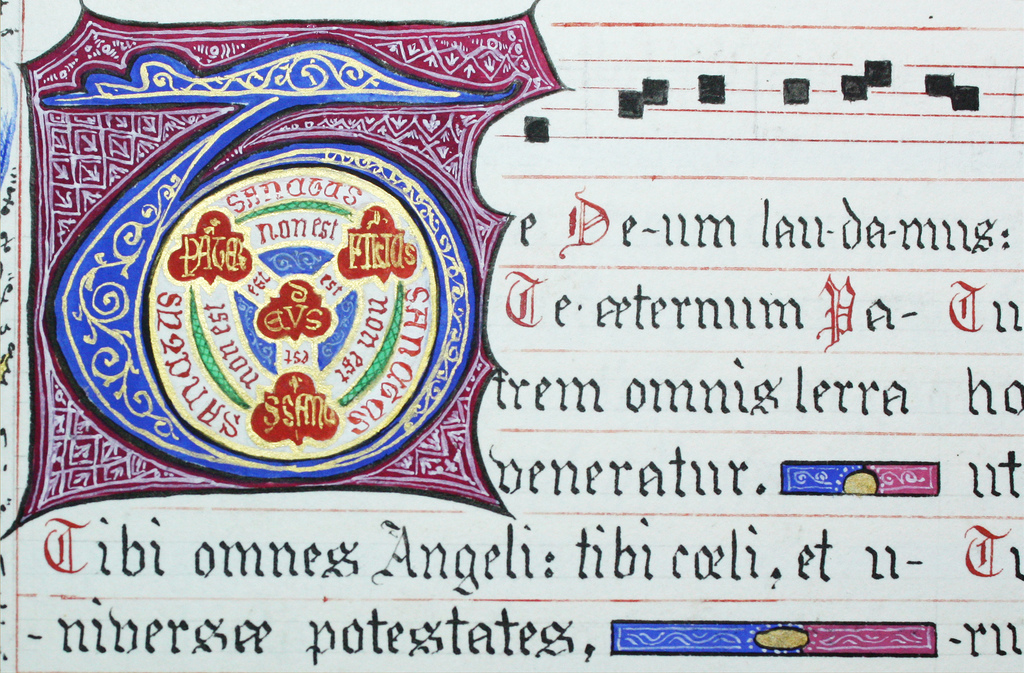
Glory Be to the Father, and to the Son, and the Holy Spirit,
As it was in the beginning, is now, and ever shall be, world without end.
Amen.

Faber’s Oxford Poems: Part I

Screen Shot 2018-10-03 at 2.16.56 PM

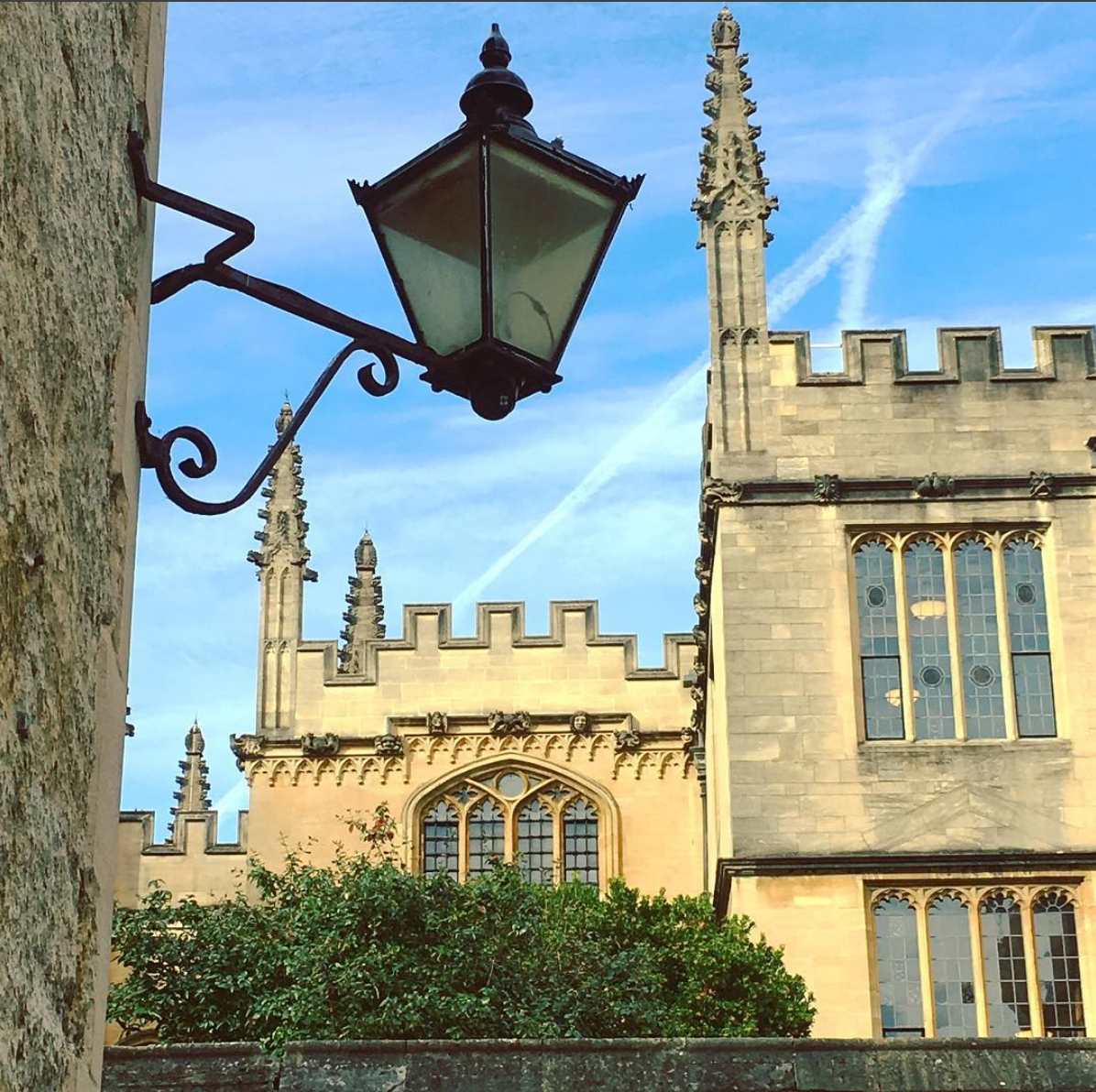
A view of the Bodleian Library from Radcliffe Square. Photo taken by author.

Fr. Frederick William Faber, that great son of St. Philip, was one of the many Oxford converts. He was a Balliol man who later became a fellow of University College, where he embarked on an ecclesiastical career as an Anglican. Later, of course, he came to the Church of Rome and founded the London Oratory. But as I am now settling back into Oxford, I thought it might my readers might enjoy a few of his poems about life at the University. I’ll probably break the collection up into a few different posts. Although Faber was later famous as a hymn-writer, in his youth he was a Romantic poet who won the admiration of none other than Wordsworth, whom he met in the Lake District. Faber’s style may be rather too Victorian for our tastes today. They also represent his spirituality at a very immature stage, when he was still an Anglican. The contrast between “College Chapel’s” rather pathetic final line and Faber’s “Muscular” pose in “College Hall” amuses, to say the least. But occasionally, as in “College Garden,” his sensuality and yearning anticipate the best of the Decadents who came at the end of the century. Finally, I’ll add that Faber’s romantic attachment to the legends and traditions of the English medieval monastics once again confirms my point that there remains an abiding affinity between the Oratorian and Benedictine charisms. 

College Chapel

A shady seat by some cool mossy spring,
Where solemn trees close round, and make a gloom,
And faint and earthy smells, as from a tomb,
Unworldly thoughts and quiet wishes bring:
Such hast thou been to me each morn and eve;
Best loved when most thy call did interfere
With schemes of toil or pleasure, that deceive
And cheat young hearts; for then thou mad’st me feel
The holy Church more night, a thing to fear.
Sometimes, all day with books, thoughts proud and wild
Have risen, till I saw the sunbeams steal
Through painted glass at evensong, and weave
Their threefold tints upon the marble near,
Faith, prayer, and love, the spirit of a child!

College Hall

Still may the spirit of the ancient days
Rest on our feasts, nor self-indulgence strive
Nor languid softness to invade the rule,
Manly, severe, and chastethe hardy school
Wherein our might fathers learnt to raise
Their souls to Heaven, and virtue best could thrive.
They, who have felt how oft the hour is past
In idle, worldly talk, would fain recall
The brazen Eagle that in times of yore
Was wont to stand in each monastic hall;
From whence the Word, or some old Father’s lore,
Or Latin hymns that spoke of sin and death
Were gravely read; and lowly-listening faith
In silence grew, at feast as well as fast.

College Garden

Sacred to early morn and evening hours,
Another chapel reared for other prayers,
And full of gifts,smells after noon-day showers,
When bright-eyed birds look out from leafy bowers,
And natural perfumes shed on midnight airs,
And bells and old church-clocks and holy towers,
All heavenly images that cluster round.
The rose, and pink acacia, and green vine
Over the fretted wall together twine,
With creepers fair and many, woven up
Into religious allegories, made
All out of strange Church meanings, and inlaid
With golden thoughts, drunk from the dewy cup
Of morns and evenings spent in that dear ground!

College Library

A churchyard with a cloister running round
And quaint old effigies in act of prayer,
And painted banners mouldering strangely there
Where mitered prelates and grave doctors sleep,
Memorials of a consecrated ground!
Such is this antique room, a haunted place
Where dead men’s spirits come, and angels keep
Long hours of watch with wings in silence furled.
Early and late have I kept vigil here:
And I have seen the moonlight shadows trace
Dim glories on the missal’s blue and gold,
The work of my monastic sires that told
Of quiet ages men call dark and drear,
For Faith’s soft light is darkness to the world.

90,000 Views

90000-readers

Never expected this to happen.

Some time this month, The Amish Catholic received its 90,000th view. Thank you to all my readers for sticking with me, arguing with me, referring me, and generally paying attention.

Novena to St. Benedict

HolyTwinsPrint.jpg

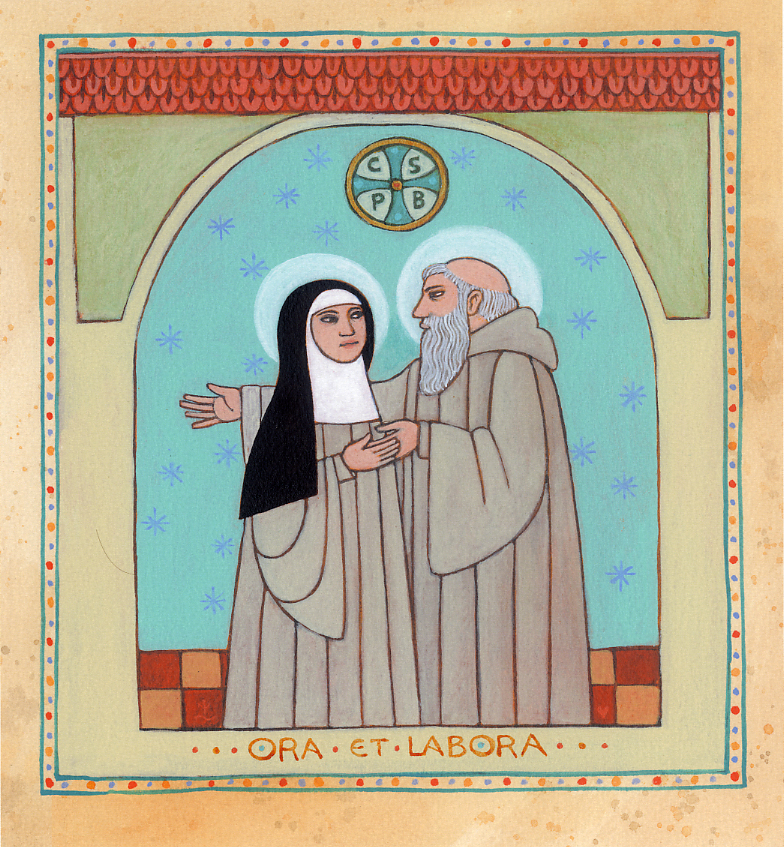
A print from The Holy Twins by Tomie dePaola, depicting SS Benedict and Scholastica. (Source)

I hope my readers will join me on a novena to the Patriarch of Western Monks, starting today (July 3rd) and ending on the Feast of St. Benedict, the 11th of July. Here is the prayer I will use, taken from EWTN’s website:

Glorious Saint Benedict, sublime model of virtue, pure vessel of God’s grace! Behold me humbly kneeling at your feet. I implore you in your loving kindness to pray for me before the throne of God. To you I have recourse in the dangers that daily surround me.
Shield me against my selfishness and my indifference to God and to my neighbor.
Inspire me to imitate you in all things. May your blessing be with me always, so that I may see and serve Christ in others and work for His kingdom. Graciously obtain for me from God those favors and graces which I need so much in the trials, miseries and afflictions of life. Your heart was always full of love, compassion and mercy toward those who were afflicted or troubled in any way. You never dismissed without consolation and assistance anyone who had recourse to you. I therefore invoke your powerful intercession, confident in the hope that you will hear my prayers and obtain for me the special grace and favor I earnestly implore.

{mention your petition}

Help me, great Saint Benedict, to live and die as a faithful child of God, to run in the sweetness of His loving will, and to attain the eternal happiness of heaven.

Amen.

My First Year at Grad School in Twelve Musical Selections

Screen Shot 2018-06-22 at 2.00.39 AM.png

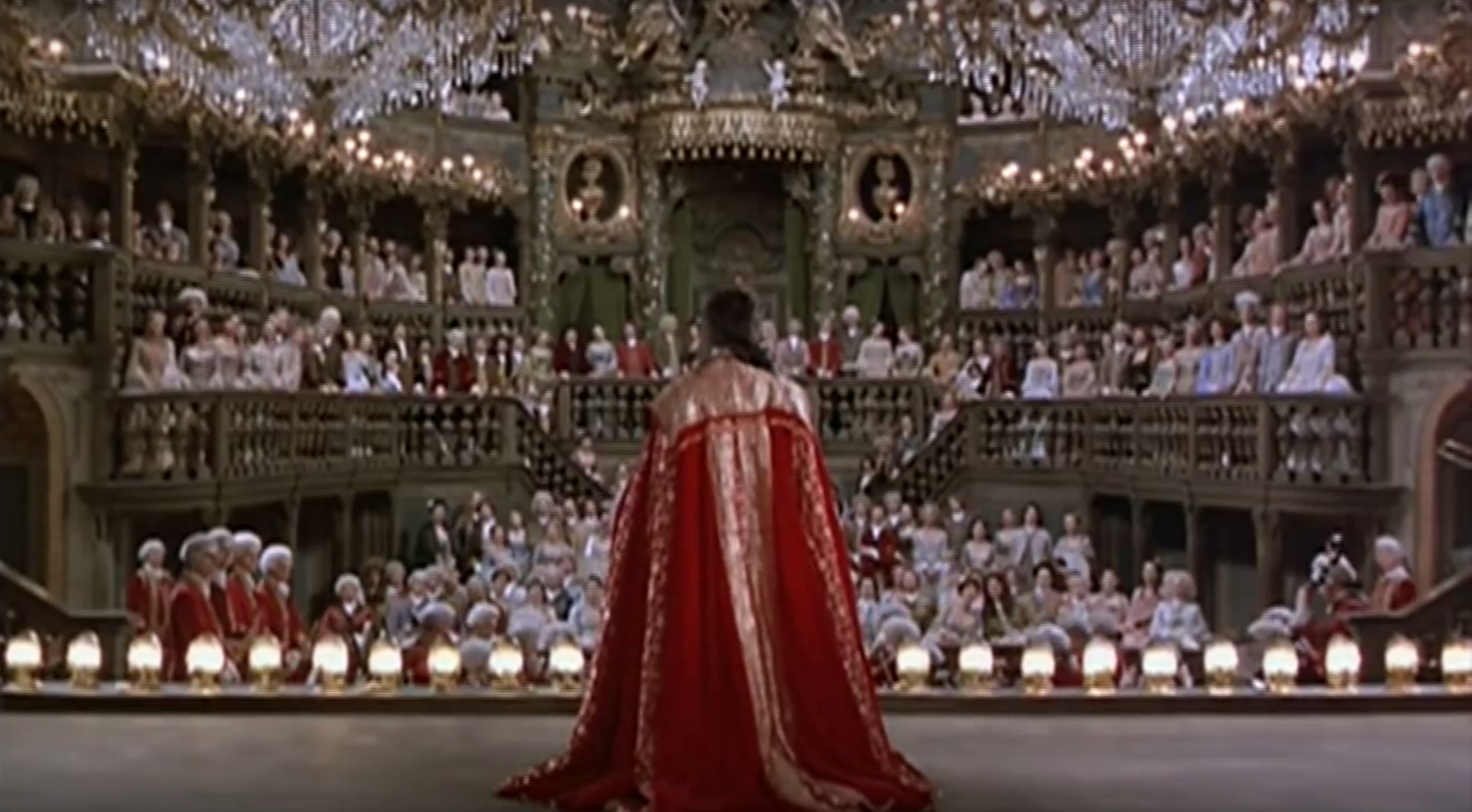
A still from Farinelli. This was the year I both became an 18th century scholar and discovered Castrato arias. (Source)

12. “Somebody That I Used to Know” only Vaporwave.

11. “Sumer is Icumen In,” from The Wicker Man (1973).

10. “Demons,” by Alex and “Sleep Games,” by Pye Corner Audio.

9. Tchaikovsky’s Swan Lake theme.

8. Psalm 129 from King’s College Choir, Cambridge.

7. The soundtrack from Le Roi Danse.

6. “Never Enough” from The Greatest Showman.

5. “Pur Ti Miro,” by Monteverdi.

4. The Little Match Girl Passion, by David Lang

3. The Farinelli soundtrack.

2. Michael Nyman’s “The Garden is Becoming a Robe Room,” “Prospero’s Magic,” and “Chasing Sheep is Best Left to Shepherds.”

1. Various Arias from Handel, especially Rinaldo‘s “Il Vostro Maggio” and “Lascia Ch’io Piangia” as well as most of “Ode for the Birthday of Queen Anne.”


Charles Williams, Marriage, and a Shameless Plug

edward_burne-jones_love_among_the_ruins

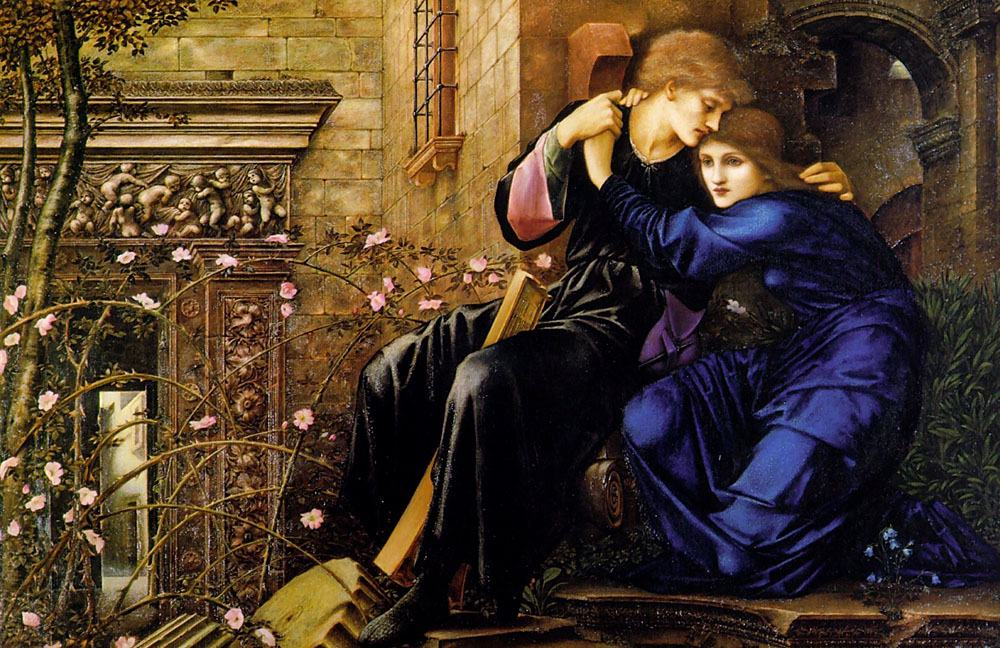
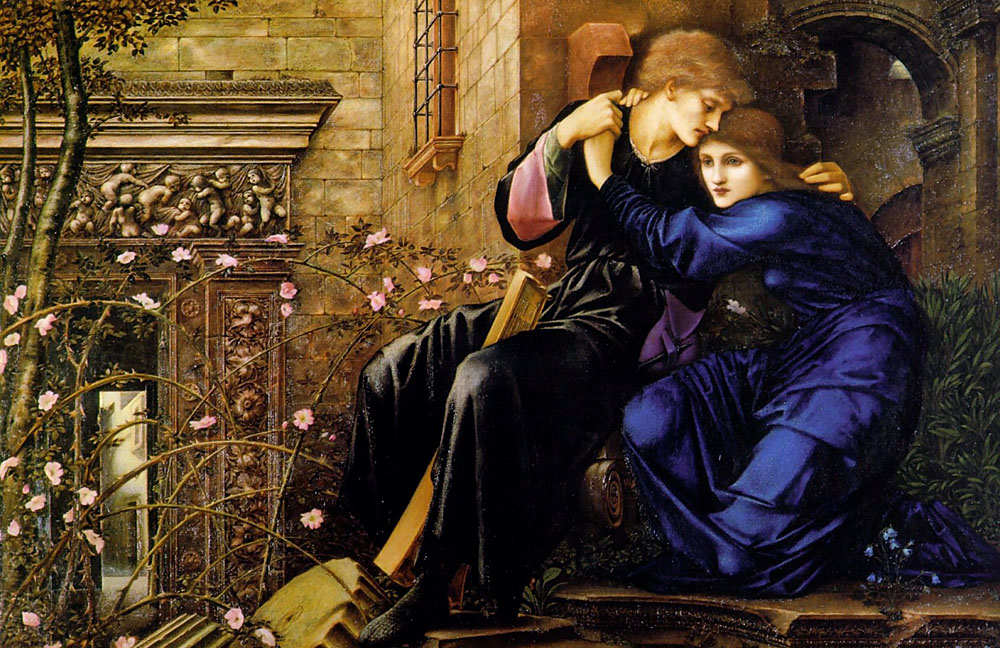
Love Among the Ruins, Edward Burne-Jones (Source)

I have a very exciting if somewhat tardy announcement. I have some poetry being published in Volume II of Jesus the Imagination, the hot new Sophiological journal by Angelico Press. There’s plenty of other really good material in the journal, too, including work by friends of mine. Plus an interview with the Revolutionary Army of the Infant Jesus! What’s not to love? As far as I’m aware I’m making no money whatsoever off this venture, but I still encourage you to buy a copy (or two, or three) if you want to read my contributions…or just the far more brilliant materials you’ll find there, too.  Either way, I can promise you that Jesus the Imagination won’t disappoint!

225px-Charles_Williams

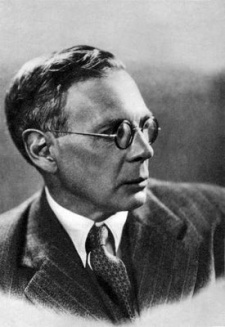
A portrait of Charles Williams: poet, critic, lecturer, editor, author, sorcerer, mystic (Source)

The theme for this volume is Marriage. As I’m sure many of you know, marriage is an extraordinarily deep mystery in the heart of the Church’s sacramental life, mystical being, quotidien experience, and esoteric practice. To celebrate, I am reproducing here a poem by Charles Williams that scratches the surface of Matrimony’s essence. Williams, a friend of T.S. Eliot and fellow-Inkling to C.S. Lewis and J.R.R. Tolkien, was a profound mystical thinker who kept returning to nuptial themes over the course of his career. The poem below comes from his first poetry collection, The Silver Stair (1912), a slim book I recently examined in the Bodleian. Enjoy.

Of Marriage and of its Priesthood

Charles Williams

Here shall no pagan foot nor claw of beast
Enter; nor wizard sorcery be seen.
But sometime here have all true lovers been,
Nor hath the tale of outland riders ceased.
With hands of consecration now the priest
Exalts the holy sacrament between
The altar lights. Now, if your souls be clean,
Draw near: Himself Love gives you in His feast.

Whose voice in solemn ritual lifted up
Praises the Name of Love? Whose hands have blest
For you, His votaries, the mysterious Cup,
And set before you the ordained Food?
Voice of Himself, to narrow vows professed,
And hands of His adorable maidenhood.

A Belated Word of Thanks

Maria-de-Jesus-de-Agreda

The Ven. Mary of Agreda, seen here preaching to the Indians by the miracle of bilocation. She was one among many who taught the Absolute Primacy of Christ. (Source)

I must thank Fr. Maximilian Mary Dean for republishing two of my pieces over at  Absolute Primacy of Christ: my introduction to the life and thought of Fr. Faber as well as my survey of art depicting the Subtle Doctor. It is a great honor to have been thought worthy of republication on a site I so greatly esteem. I have learned a lot from Fr. Maximilian’s blog and hope I might continue to do so! Go check it out.

An Employment Triduo to St. Joseph

Recently, several people I know have been looking for jobs. Some were just fired. Others have had a long struggle seeking work. A few have been injured in ways that required them to take time off. All are in need of prayer.

Bearing these troubles in mind, I thought I would make a Triduo – a prayer of three days’ length – to St. Joseph the Worker, asking for his potent intercession, along with that of SS Anthony of Padua, Dymphna, Cecilia, John of God, Thomas More, Philip Neri, Thomas of Canterbury, Fiacre, and Martin of Tours. I hope my readers will join me in this intention.

The text comes from Bl. John Henry Newman’s Meditations and Devotions. I have also attached the Litany of St. Joseph for the last day.
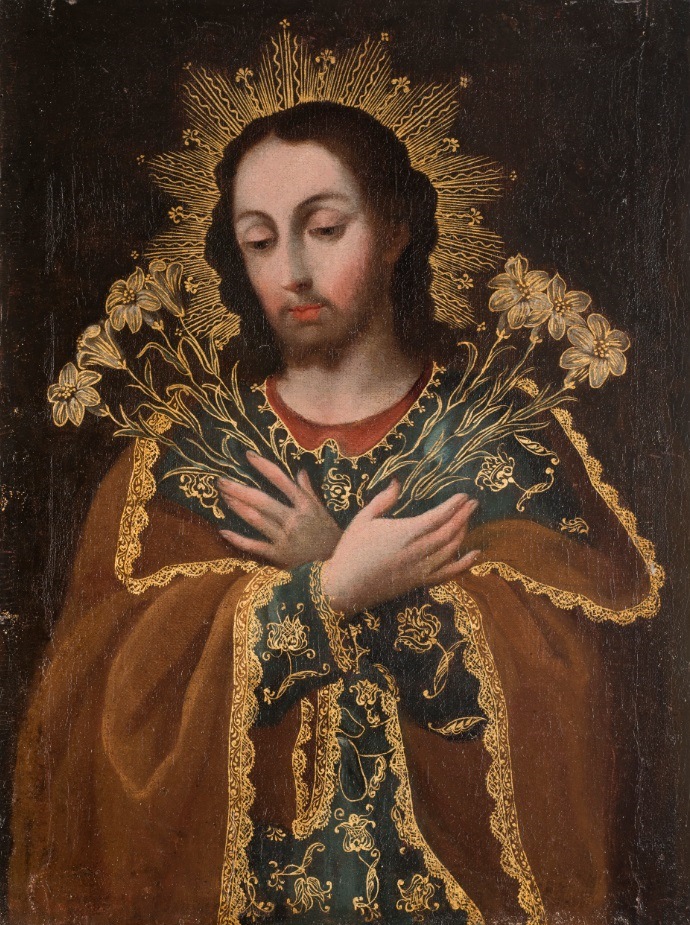
Cuzco-School-18th-century.jpog.jpg

St. Joseph, Ora Pro Nobis (Source)

A Triduo to St. Joseph

First Day
Consider the Glorious Titles of St. Joseph

He was the true and worthy Spouse of Mary, supplying in a visible manner the place of Mary’s Invisible Spouse, the Holy Ghost. He was a virgin, and his virginity was the faithful mirror of the virginity of Mary. He was the Cherub, placed to guard the new terrestrial Paradise from the intrusion of every foe.

V. Blessed be the name of Joseph.
R. Henceforth and forever. Amen.

LET US PRAY

God, who in Thine ineffable Providence didst vouchsafe to choose Blessed Joseph to be the husband of Thy most holy Mother, grant, we beseech Thee, that we may be made worthy to receive him for our intercessor in heaven, whom on earth we venerate as our holy Protector: who livest and reignest world without end. Amen.
(Vide “The Raccolta.”)

Second Day
Consider the Glorious Titles of St. Joseph

His was the title of father of the Son of God, because he was the Spouse of Mary, ever Virgin. He was our Lord’s father, because Jesus ever yielded to him the obedience of a son. He was our Lord’s father, because to him were entrusted, and by him were faithfully fulfilled, the duties of a father, in protecting Him, giving Him a home, sustaining and rearing Him, and providing Him with a trade.

V. Blessed be the name of Joseph.
R. Henceforth and for ever. Amen.

LET US PRAY

God, who in Thine ineffable Providence didst vouchsafe, &c.

Third Day
Consider the Glorious Titles of St. Joseph

He is Holy Joseph, because according to the opinion of a great number of doctors, he, as well as St. John Baptist, was sanctified even before he was born. He is Holy Joseph, because his office, of being spouse and protector of Mary, specially demanded sanctity. He is Holy Joseph, because no other Saint but he lived in such and so long intimacy and familiarity with the source of all holiness, Jesus, God incarnate, and Mary, the holiest of creatures.

V. Blessed be the name of Joseph.
R. Henceforth and for ever. Amen.

LET US PRAY

God, who in Thine ineffable Providence didst vouchsafe, &c.

The Litany of Saint Joseph

 For public or private use.

Lord, have mercy on us.
Christ, have mercy on us.
Lord, have mercy on us.
Christ, hear us.
Christ, graciously hear us.
God the Father of Heaven, Have mercy on us.
God the Son, Redeemer of the world, Have mercy on us.
God the Holy Spirit, Have mercy on us.
Holy Trinity, One God, Have mercy on us.
Holy Mary, pray for us .
Saint Joseph, pray for us.
Illustrious son of David, etc.
Light of the patriarchs,
Spouse of the Mother of God,
Chaste guardian of the Virgin,
Foster-father of the Son of God,
Watchful defender of Christ,
Head of the Holy Family,
Joseph most just,
Joseph most chaste,
Joseph most prudent,
Joseph most valiant,
Joseph most obedient,
Joseph most faithful,
Mirror of patience,
Lover of poverty,
Model of workmen ,
Glory of domestic life,
Guardian of virgins,
Pillar of families,
Solace of the afflicted,
Hope of the sick,
Patron of the dying,
Terror of demons,
Protector of Holy Church,

Lamb of God, Who takest away the sins of the world,
Spare us, O Lord.
Lamb of God, Who takest away the sins of the world,
Graciously hear us, O Lord.
Lamb of God, Who takest away the sins of the world,
Have mercy on us.

V. He made him the lord of His household,
R. And prince over all His possessions.

Let Us Pray.

O God, Who in Thine ineffable providence didst choose Blessed Joseph to be the spouse of Thy most Holy Mother, grant that as we venerate him as our protector on earth, we may deserve to have him as our intercessor in Heaven, Thou Who livest and reignest forever and ever. R. Amen.