Fénelon on Perseverance in Prayer

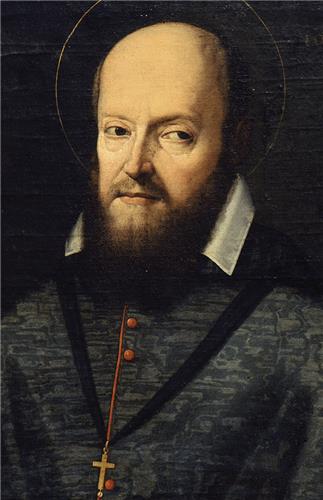
In Lent, I often return to the words of the great Bishop of Cambrai, François de Salignac de la Mothe-Fénelon. He is a perennially refreshing source of spiritual wisdom and guidance. Since we are finally in Passiontide, I thought this excerpt from Fénelon’s sermon on prayer, “The Saints Converse with God,” would be greatly edifying for all those of my readers keeping up with the Lenten Spirituality Series.

A portrait of Fénelon in excellent blue-purple episcopal garb (Source)

We must pray with perseverance. The perfect heart is never weary of seeking God. Ought we to complain if God sometimes leaves us to obscurity, and doubt, and temptation? Trials purify humble souls, and they serve to expiate the faults of the unfaithful. They confound those who, even in their prayers, have flattered their cowardice and pride. If an innocent soul, devoted to God, suffer from any secret disturbance, it should be humble, adore the designs of God, and redouble its prayers and its fervor. How often do we hear those who every day have to reproach themselves with unfaithfulness toward God complain that He refuses to answer their prayers! Ought they not to acknowledge that it is their sins which have formed a thick cloud between Heaven and them, and that God has justly hidden Himself from them? How often has He recalled us from our wanderings! How often, ungrateful as we are, have we been deaf to His voice and insensible to His goodness! He would make us feel that we are blind and miserable when we forsake Him. He would teach us, by privation, the value of the blessings that we have slighted. And shall we not bear our punishment with patience? Who can boast of having done all that he ought to have done; of having repaired all his past errors; of having purified his heart, so that he may claim as a right that God should listen to his prayer? Most truly, all our pride, great as it is, would not be sufficient to inspire such presumption! If then, the Almighty do not grant our petitions, let us adore His justice, let us be silent, let us humble ourselves, and let us pray without ceasing. This humble perseverance will obtain from Him what we should never obtain by our own merit. It will make us pass happily from darkness to light; for know, says St. Augustine, that God is near to us even when He appears far from us.

How to Celebrate Lent like a French Princess

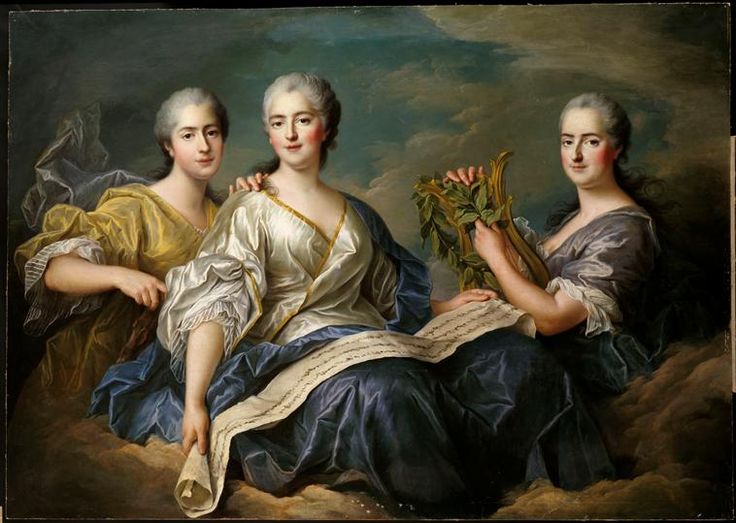
Mesdames Victoire, Adélaide, and Louise, three of the pious daughters of Louis XV, known collectively as “Mesdames de France” or “Mesdames Tantes” after the accession of Louis XVI. Only Adélaide married; Louise later became a Carmelite prioress at Saint-Denis before having the extremely good fortune to die in 1787. Source

The inimitable John McManners, late Regius Professor of Ecclesiastical History at the University of Oxford, provides a window into the world of late Ancien Régime piety (or, rather, its dearth) in his monumental Church and Society in Eighteenth-Century France. He writes:

“To what extent was the fast of Lent observed? It was commonly said that the austerities of the penitential season were endured only by the poor. According to the Lenten pastoral letter of the archbishop of Sens in 1779, the rich often obtained medical certificates allowing them to eat what they liked. This was the fashionable thing to do. ‘Look at our bourgeois citizen and his wife in their (draper’s) shop, observing Lent strictly,’ said teh Jesuit Père Croisset in his Parallel des moeurs de ce siècle et la morale de Jesus-Christ (1727): ‘their fortune changes…and scarcely has the tape measure dropped from their hands than you see them putting on airs like people of quality and asking for dispensations from fasting.’ This class distinction was observed even in the kitchens of the Bastille: on the first Friday of his imprisonment, Marmontel gloomily at the meatless meal provided, not knowing that it had been meant for his servant. In any case, there were plenty of succulent dishes within the rules, for those who could afford them.

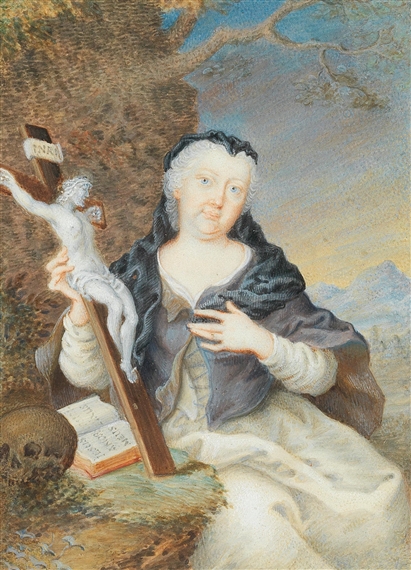
Empress Maria Theresa of Austria in the garb of a penitent (Source)

“Lent was the season to have tubs of fresh butter sent in from the countryside, and to ensure plentiful supplies of fish and water birds (the tes of an allowable fowl was: did the gravy remain uncongealed after fifteen minutes? – so a bishop gravely advised Mme Victoire, Louis XV’s pious but comfortable daughter). The peasant, whose existence is a perpetual Lent anyway, said Voltaire, awaits episcopal permission to eat his farmyard eggs, while the bishop himself looks forward to expensive dishes of soles. Certainly, things were well organized at Versailles. ‘A ray of grace has descended on us,’ wrote the duc de la Vallière in April 1756; ‘we fasted for three days a week during the whole of Lent, but on condition that we suffered no deprivations.’ Preachers were well aware that those with money and leisure could organize an attractive Lent for themselves: an occasional walk in a procession (a penitent’s garb was no disadvantage to a good-looking woman), extra time in bed to recuperate from privations, and food more delicately cooked and served than usual. ‘For some – God grant that there are none in my congregation today,’ thundered the Oratorian Surian, ‘Lent is a more agreeable time, in a sophisticated way, than the other seasons of the year.'”

(Vol. I, pg. 86-87).

Ah, the trials of the penitential season!

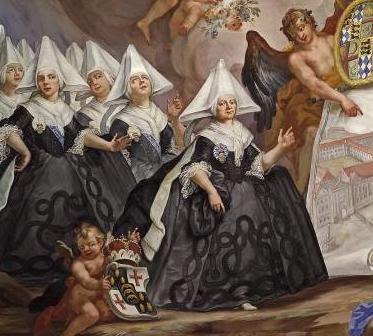
These Princess-Abbesses Have Just About Had It

“What a shock, Maximiliana has to be the life of the party AGAIN.”

“I think the real trouble in the Church today is the shortage of lace.”

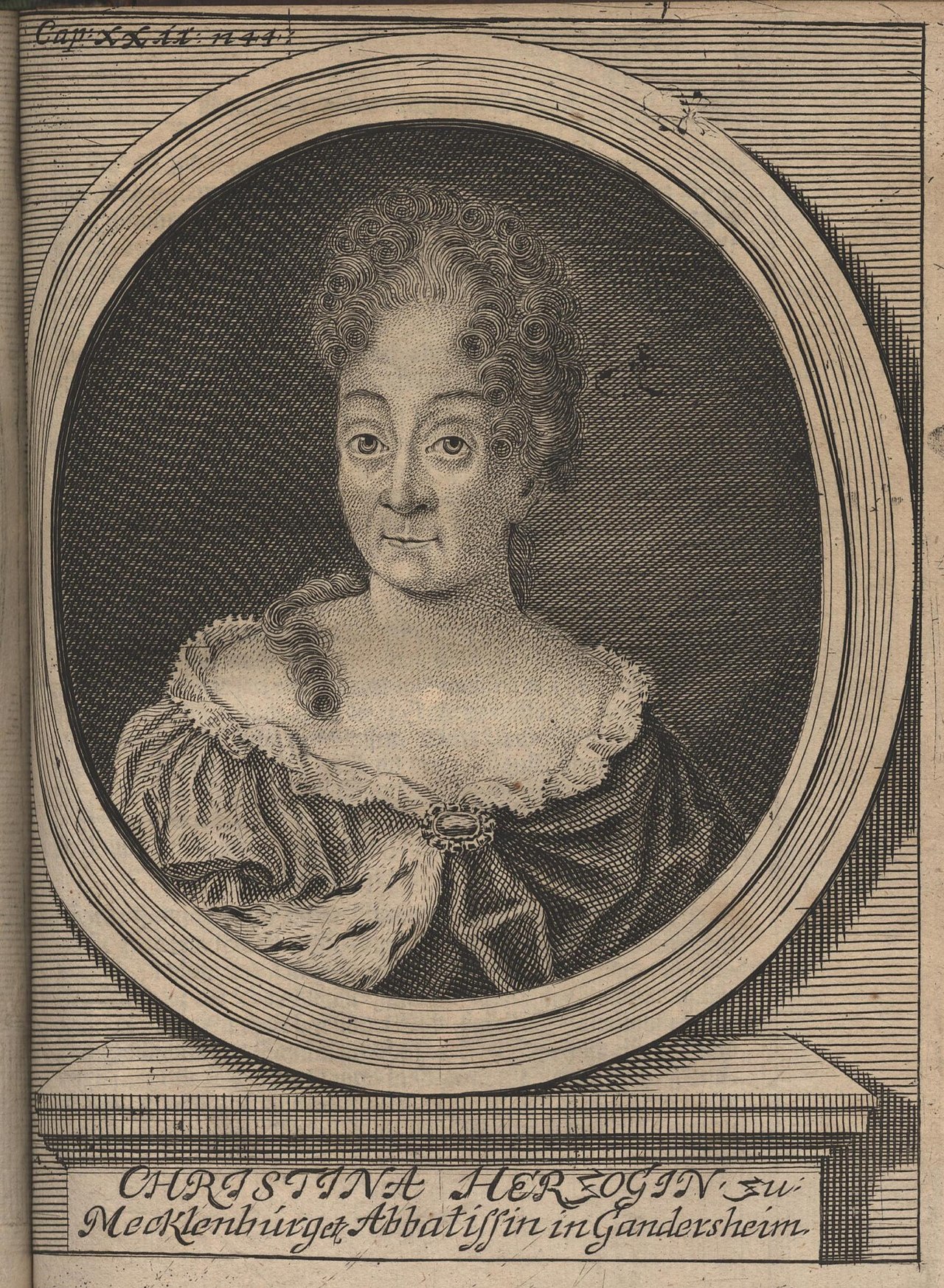
Princess-Abbess Christina zu Mecklenburg isn’t angry. She’s just disappointed.

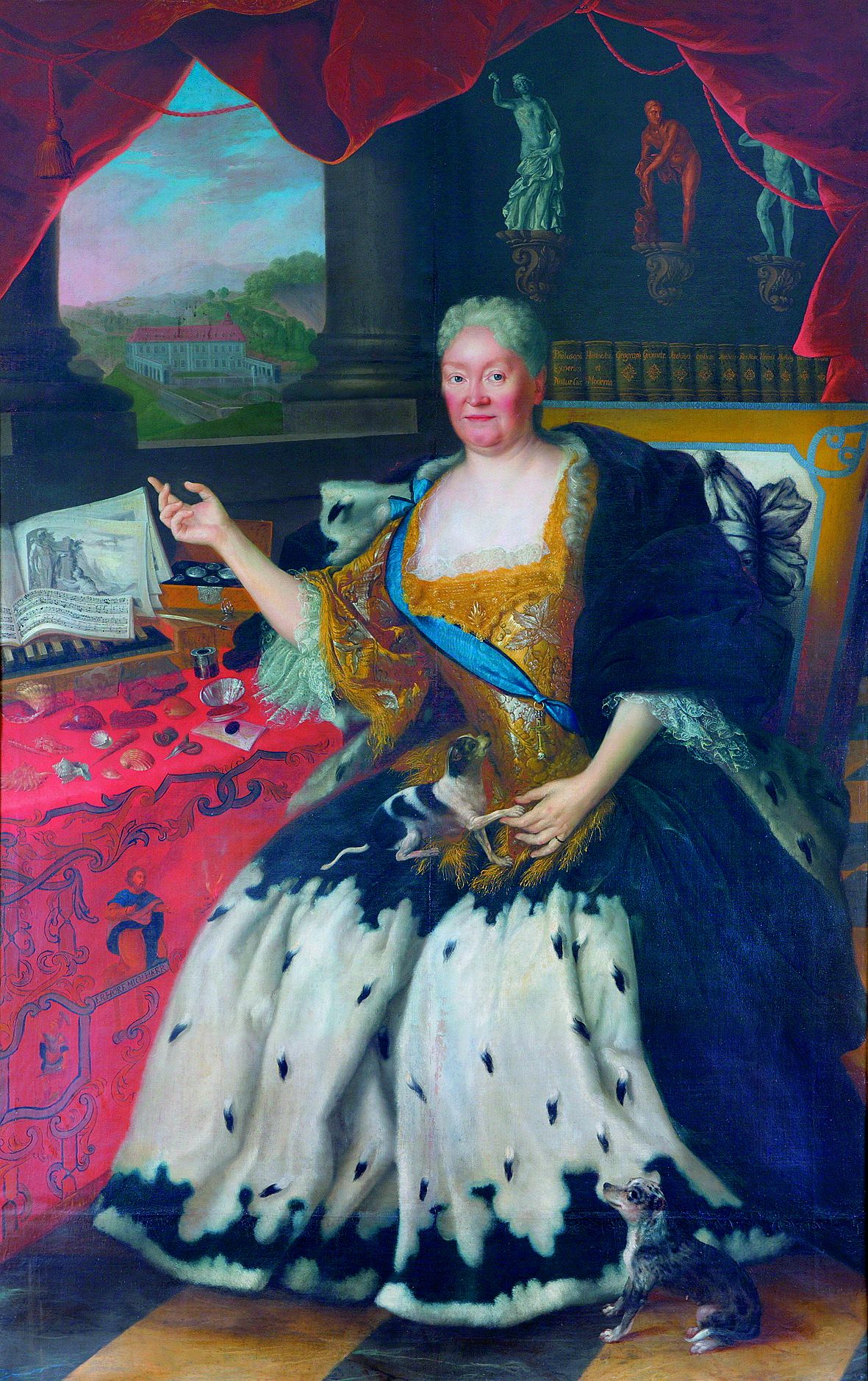
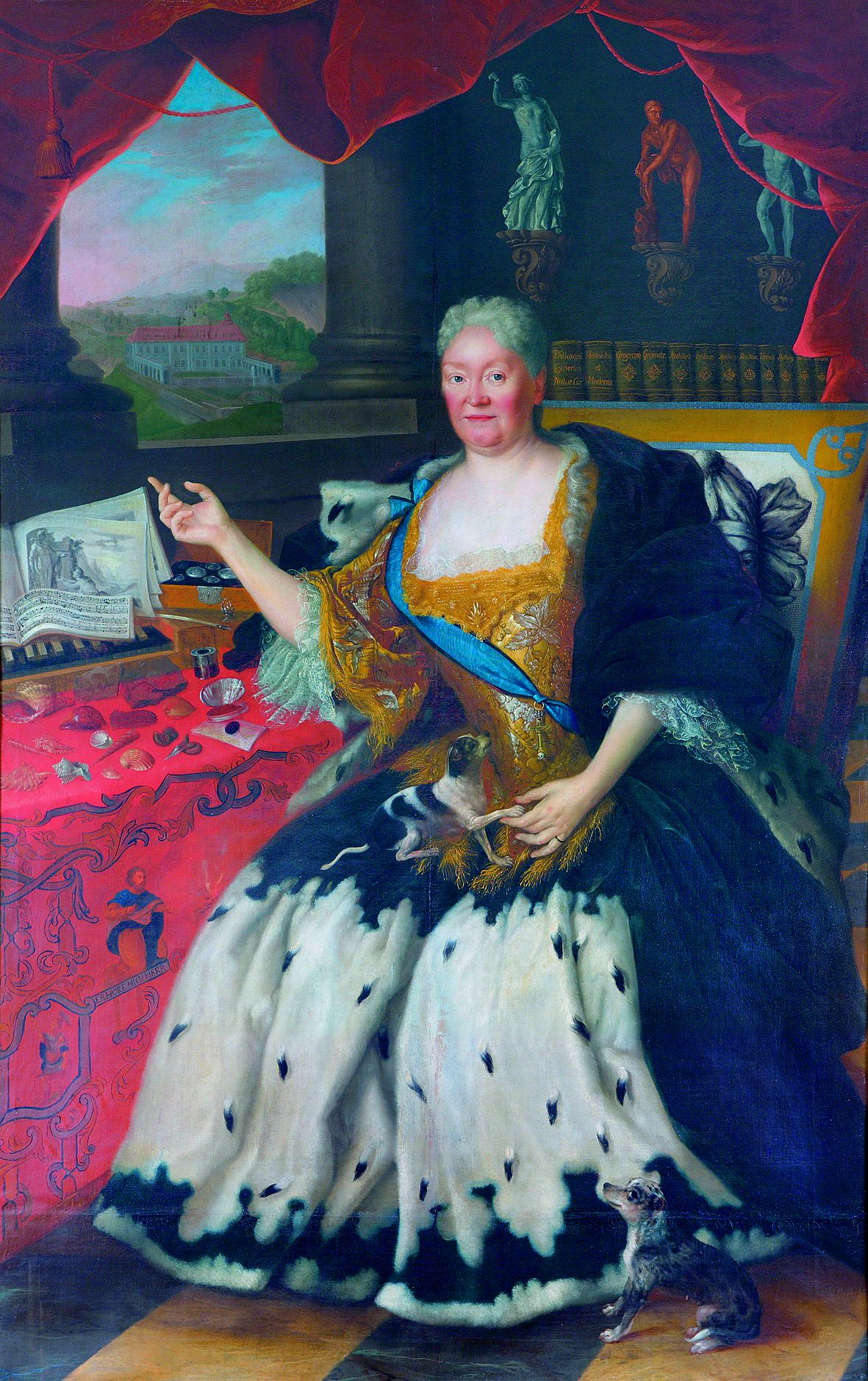
“I’m not like a regular Princess-Abbess, I’m a cool Princess-Abbess. Observe my nude statues, dogs, and trendy collection of seashells.”

Winged headdresses are in this year.

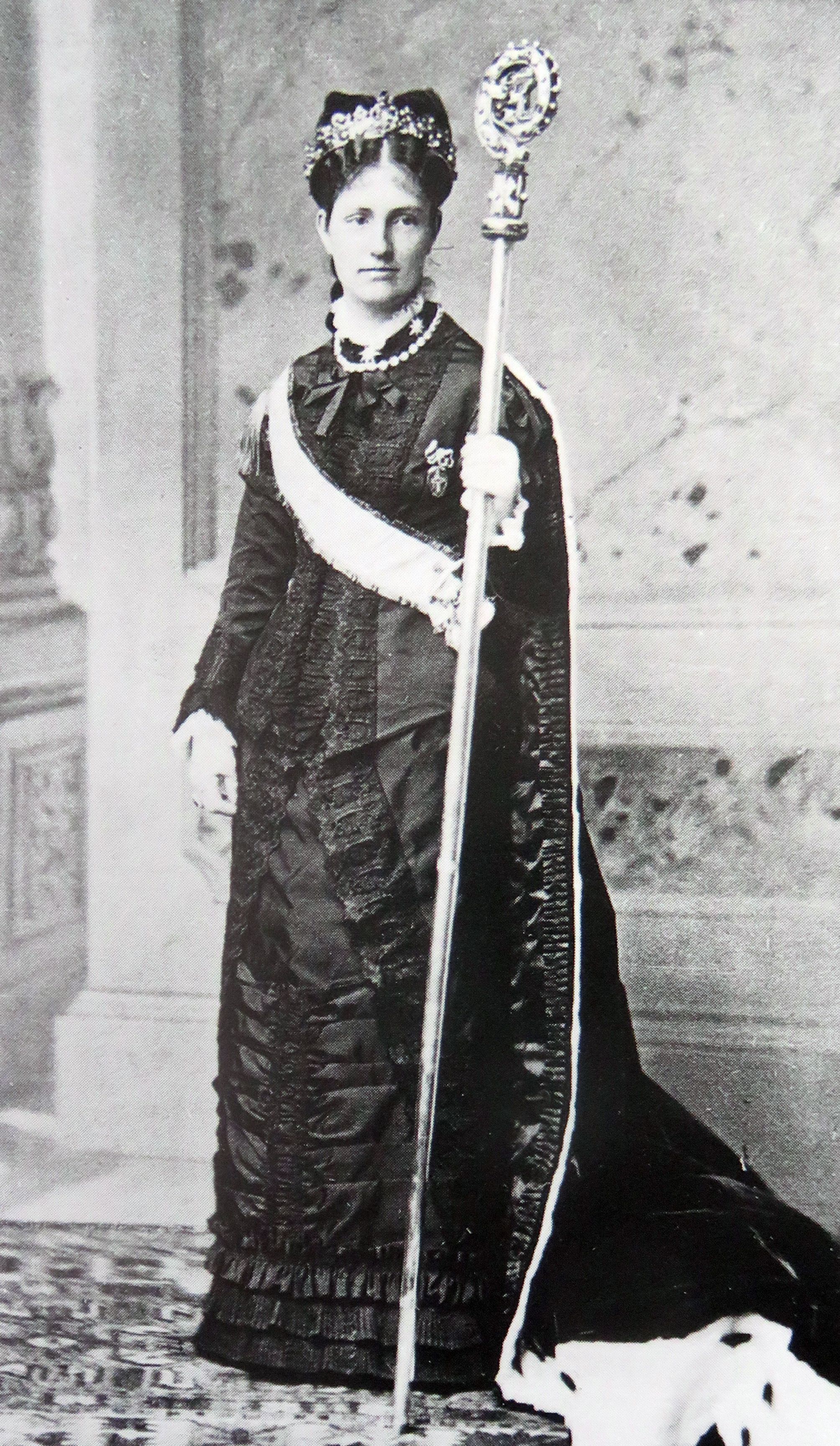
“This crosier was made by fifty leper goldsmiths on a Greek island owned by the Doge of Venice. My uncle, the Cardinal of Trieste and Titular Abbot of Unter-Festschrift, gave it to me at my accession.”

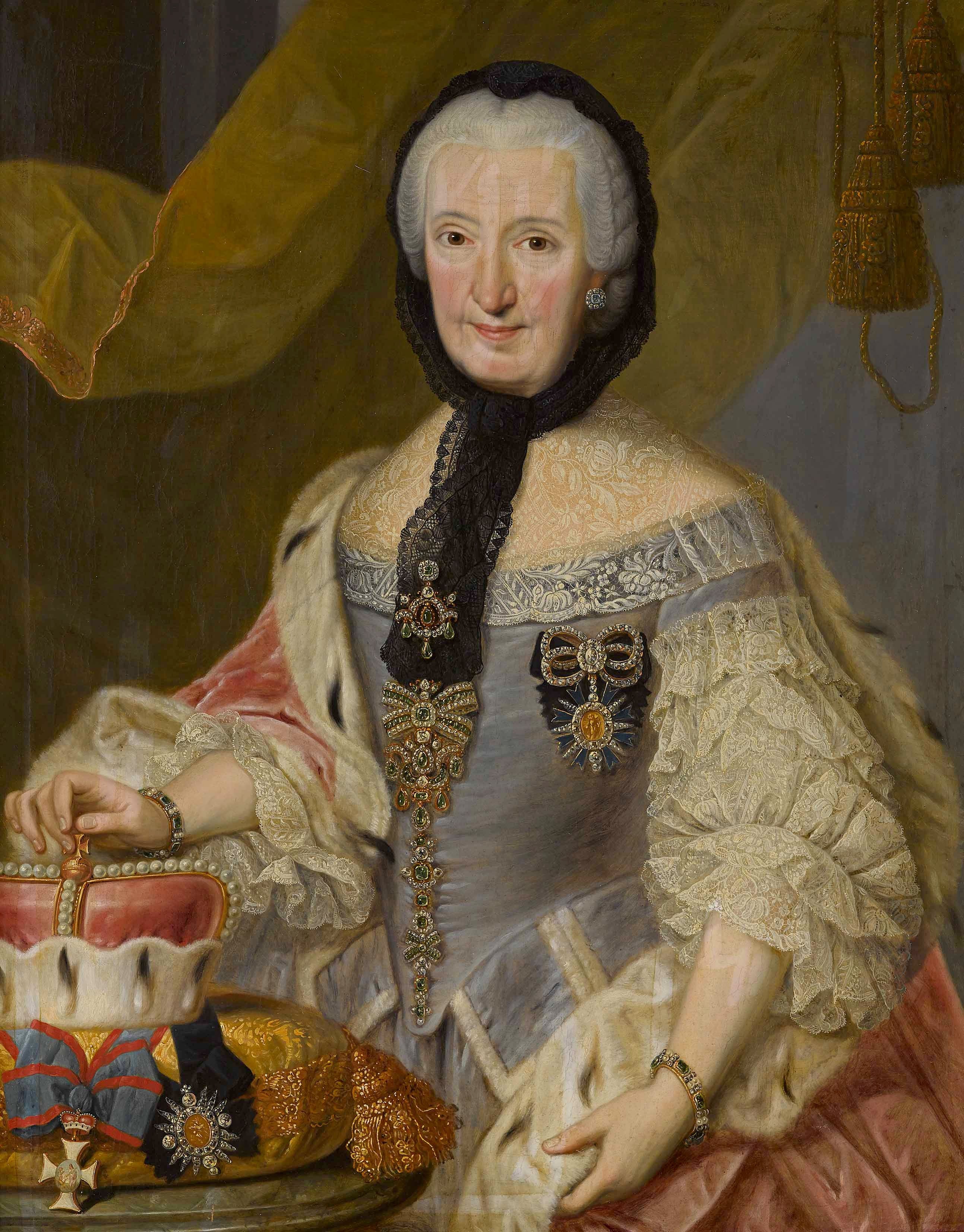
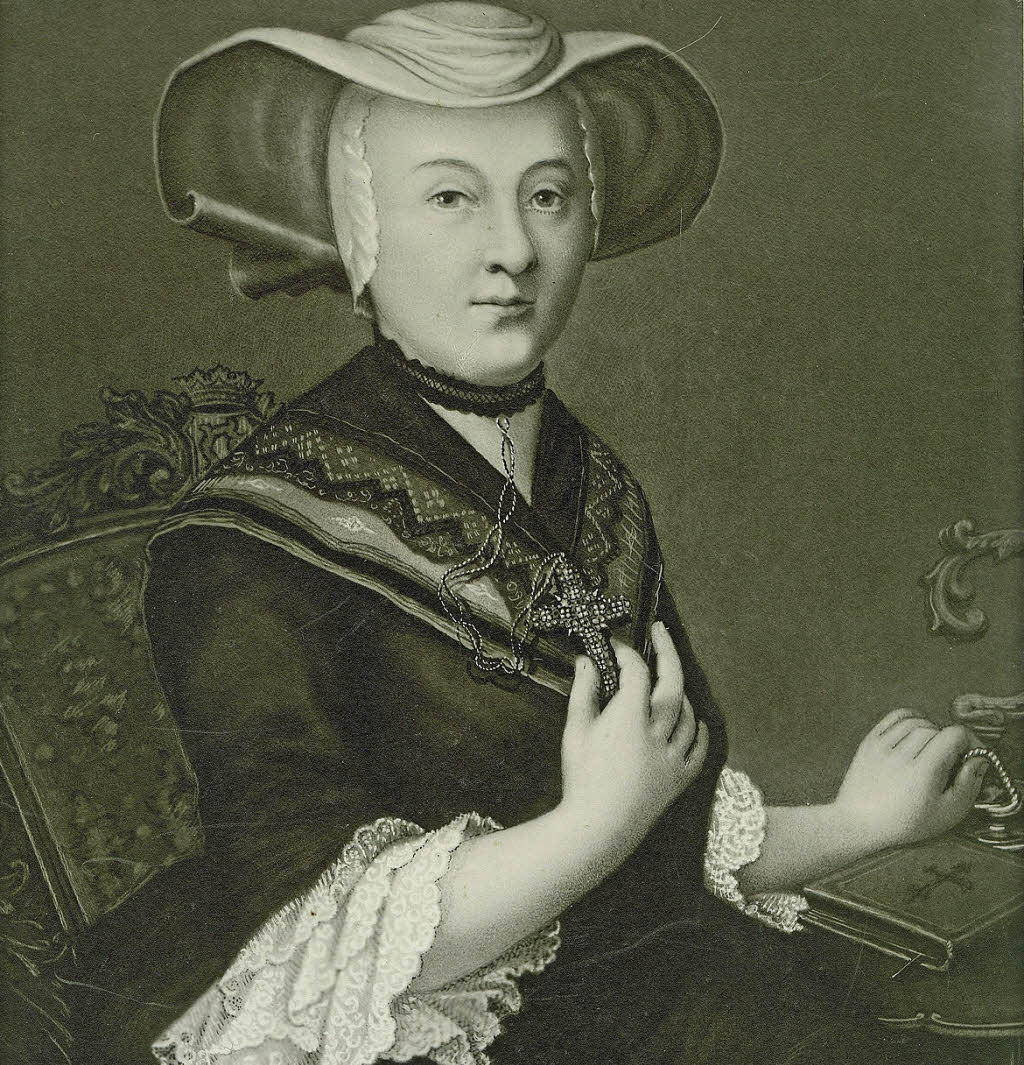
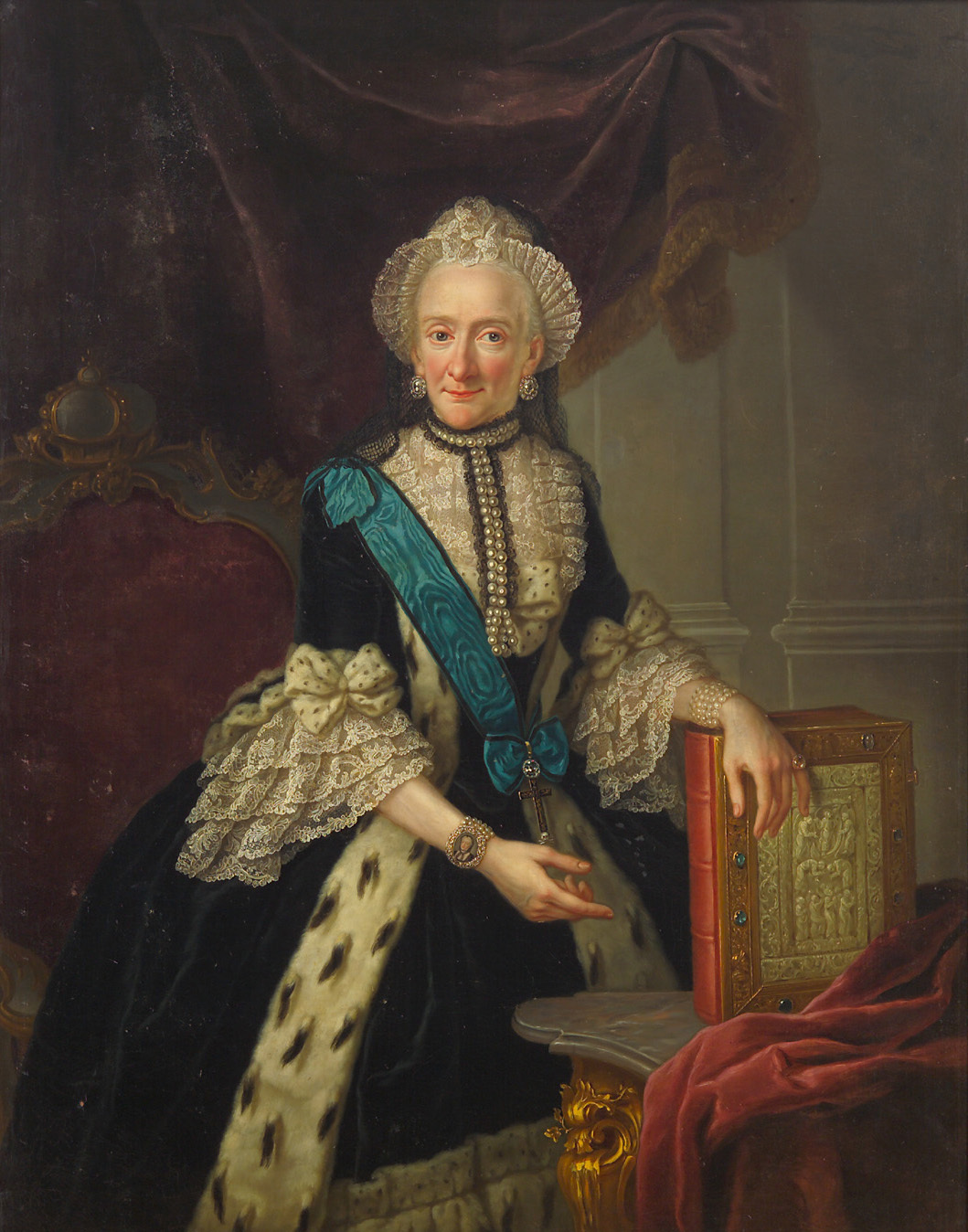
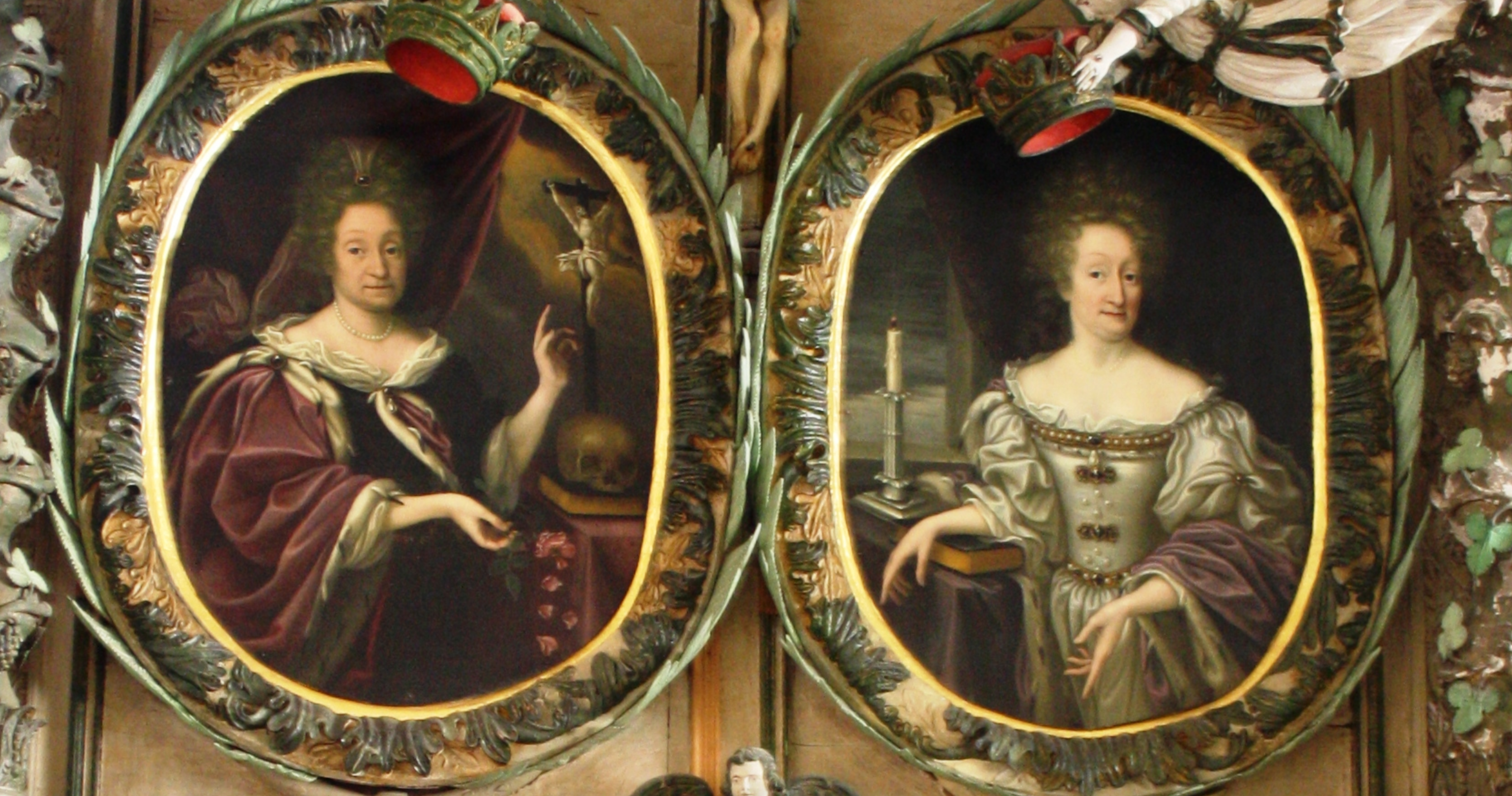
Therese Natalie of Brunswick-Wolfenbüttel, Princess-Abbess of Gandersheim, with her pendulous string of pearls, miniature portrait bracelet, powdered blue watered silk sash, ermine, and bejewelled Bible, is a model of noble simplicity.

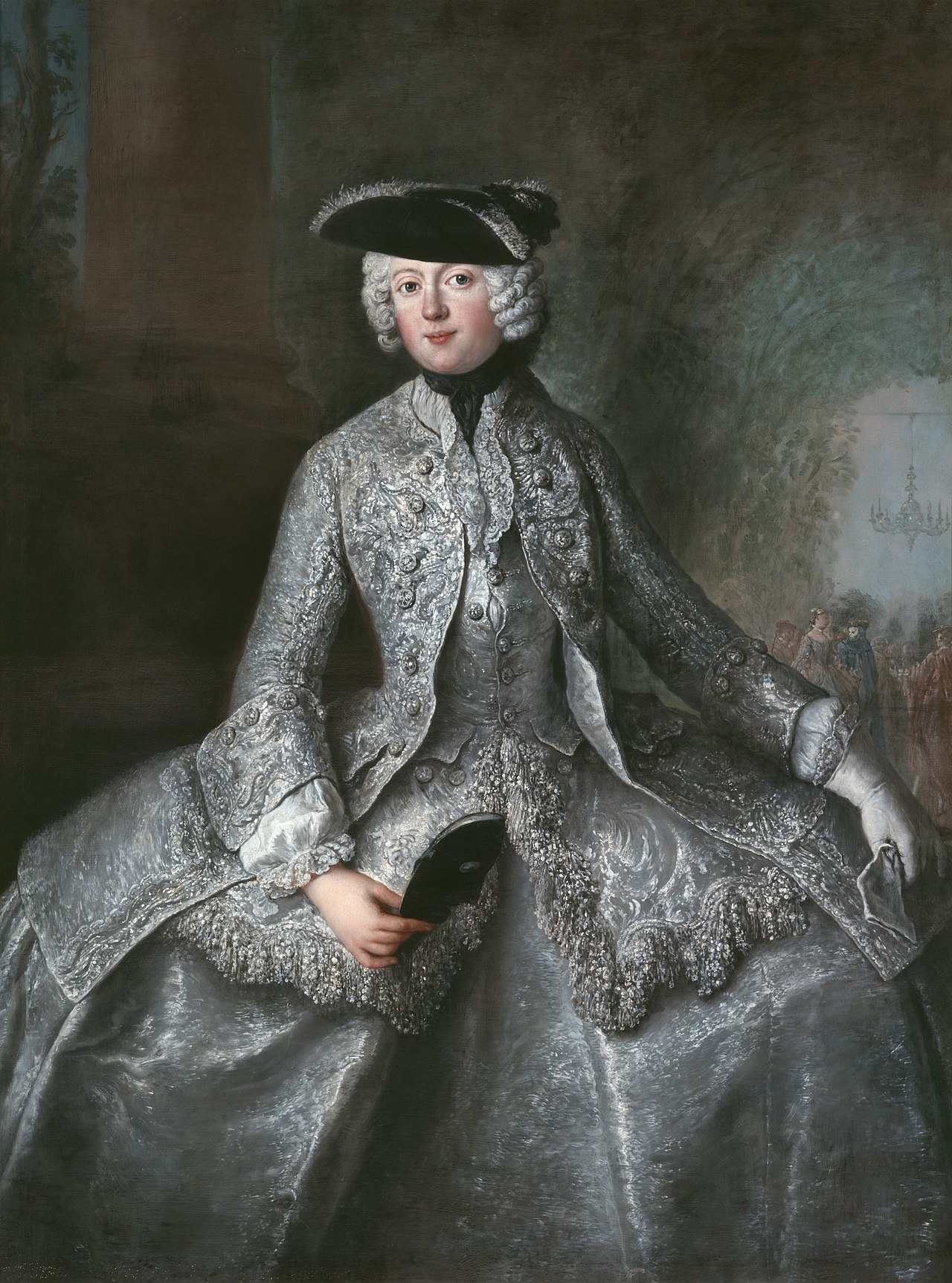
“Well, grey is a penitential color, after all. More than what you’re wearing, heathen.”

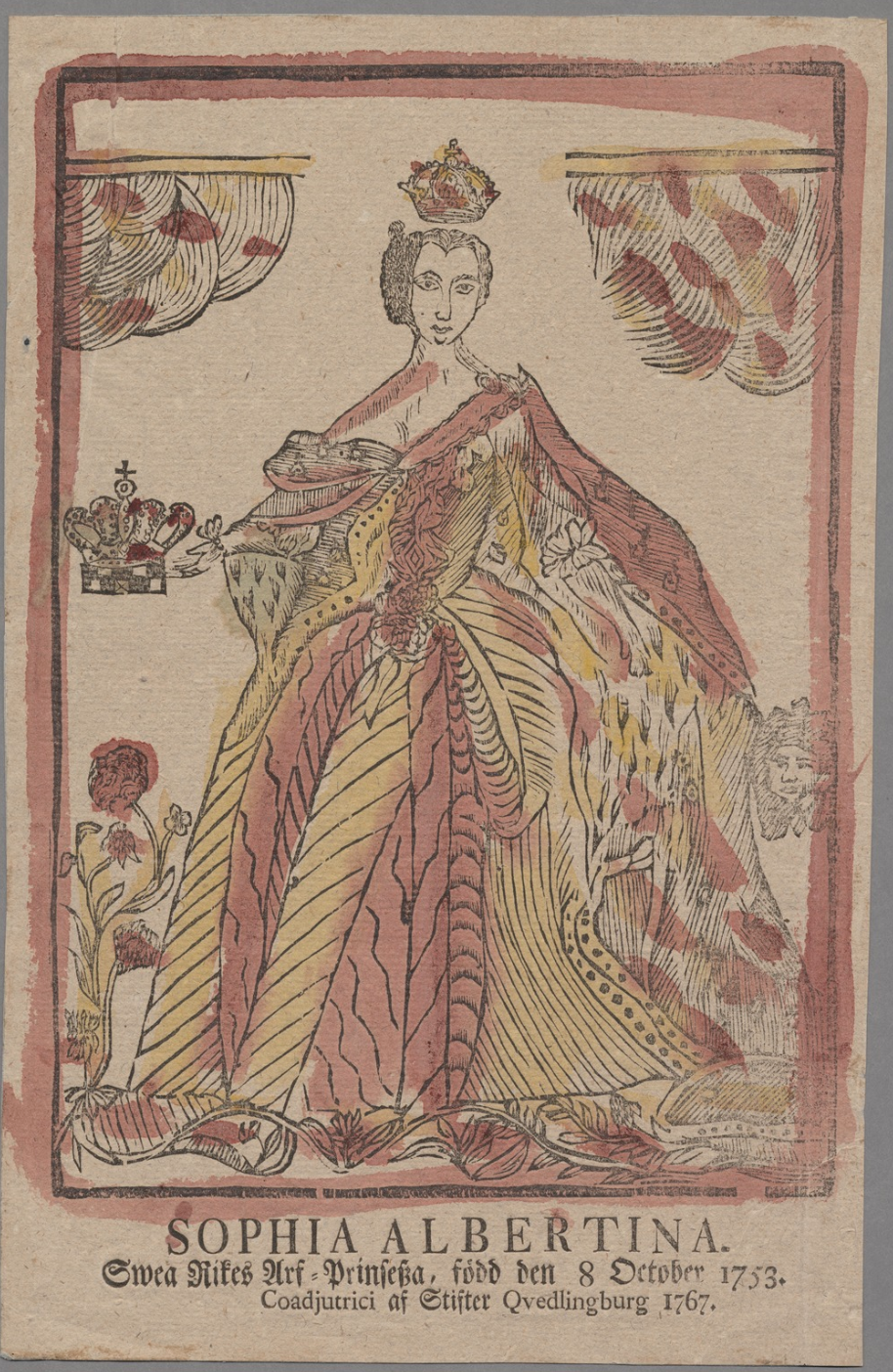
“They told me it was the crown or the hair. I chose the hair.”

The face when you realize that someone has spilled ketchup and mustard everywhere.

Marie Elisabeth von Holstein-Gottorf, Princess-Abbess of Quedlinburg, knows what you did. And she is not amused.

“What cloister is ever complete without tropical plants?”

How sweet when sisters live in (rococo) harmony…

…as opposed to Gothic mutual loathing.

(Sources: Here, Here, Here, Here, Here, Here, Here, Here, Here, Here, Here, Here, Here, Here)

Blessed Bernardo Francisco de Hoyos and the Challenge of Holiness

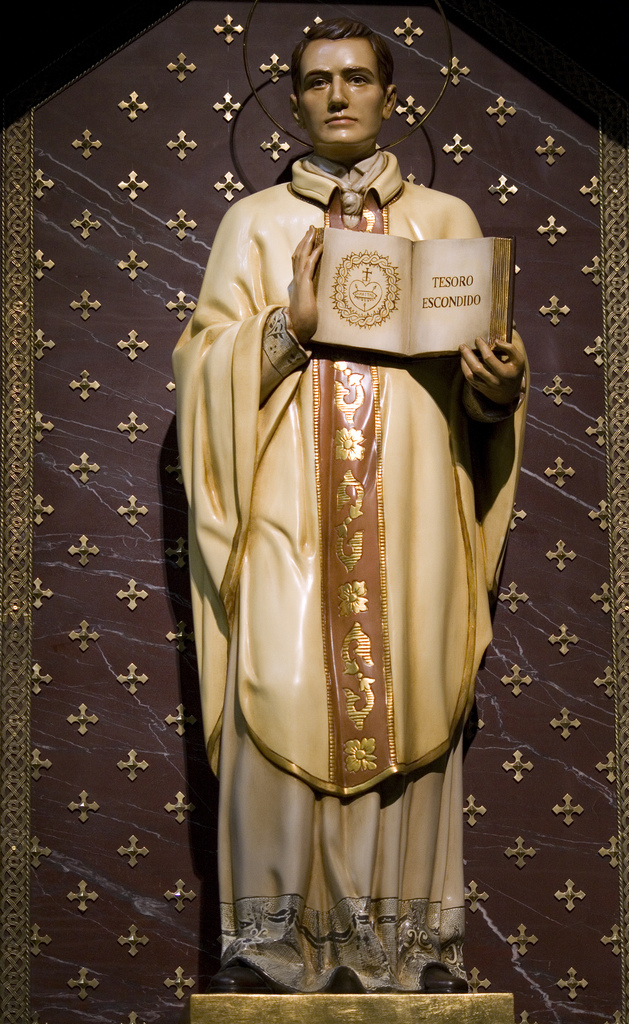
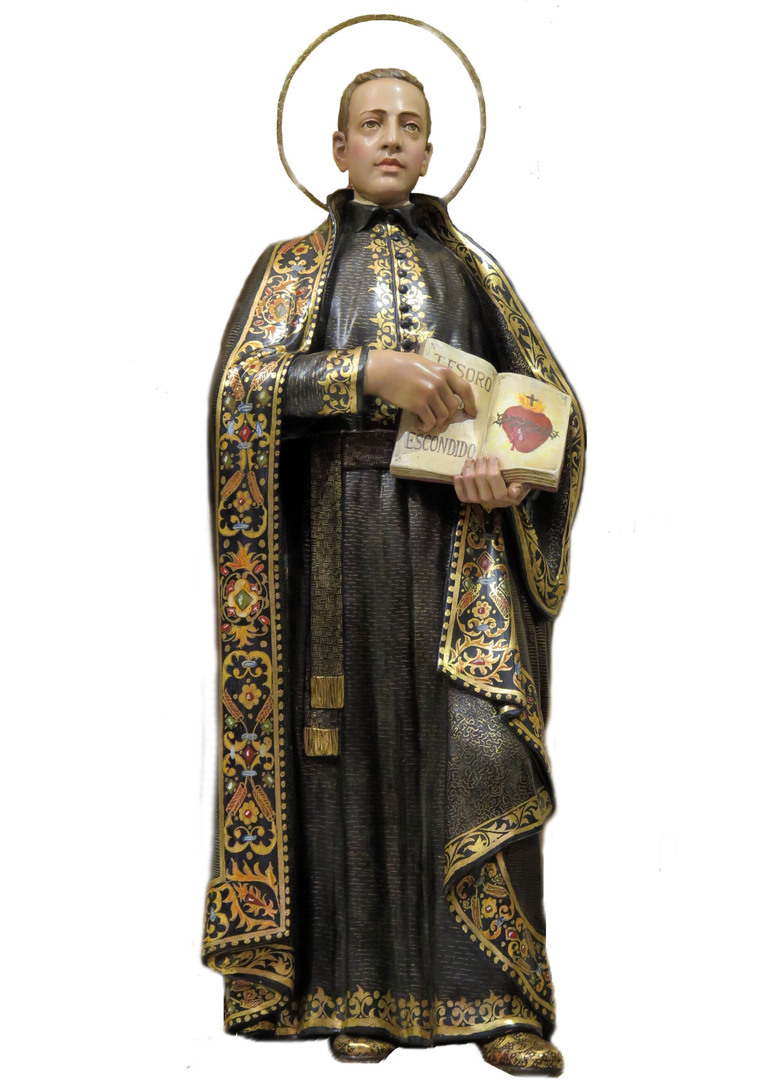
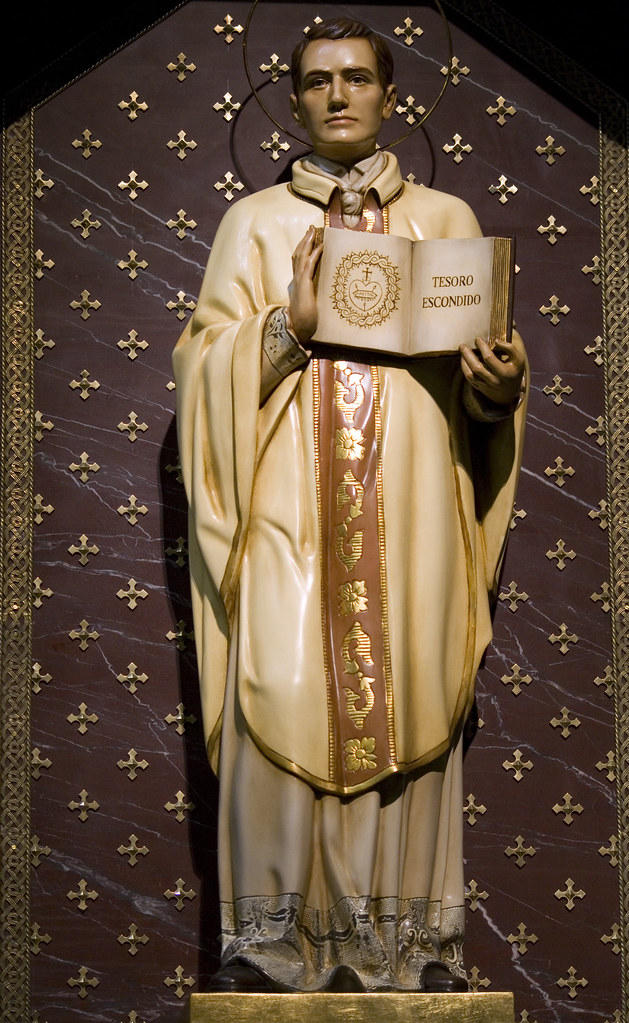
A statue of the Blessed Bernardo Francisco de Hoyos. (Source)

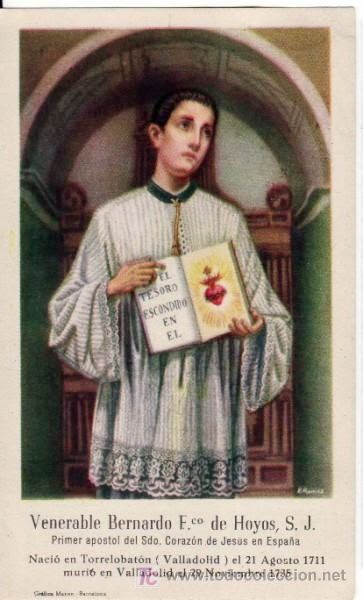
Earlier this year, I discovered a new friend in heaven – the Blessed Bernardo Francisco de Hoyos (1711-1735), a Jesuit mystic of the Sacred Heart. Today is his feast. I like Blessed Bernardo for a lot of reasons. I admit, it’s hard to get a great sense of his life story, as so many of the materials about him (or by him) are untranslated from their original Spanish. Nevertheless, a few things are clear.

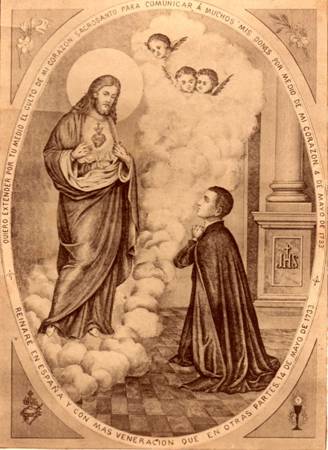
We share a devotion to the Heart of Jesus. Blessed Bernardo received private revelations of Jesus in which he was shown the Sacred Heart, culminating in a monumental mystical union. While strange phenomena are by no means unheard-of in the lives of the saints, Bernardo’s story is unusual insofar as many of his experiences were more typical of female mystics. The Sacred Heart devotion itself was often seen (and ridiculed by Jansenists) as an effeminate innovation that oozed sentimentalism. It’s hard to square that view with the very real rigor of Blessed Bernardo’s Jesuit life. As usual, simple narratives tend to fail when placed against a far more interesting reality.

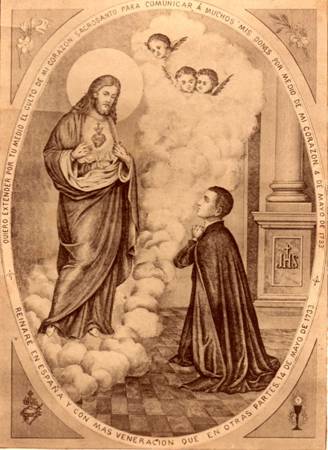
A devotional image of the Blessed Bernardo receiving a vision of the Sacred Heart. (Source)

The Spanish priest died when he was only 24. I will be 24 in a little over a month. It’s hard to imagine coming to the same heights of sanctity and intimacy with Jesus in such a short time. I look at my own spiritual life – scattered with sins and shortcomings, easily worn out, so often caught in a kind of lax scrupulosity – and I wonder how Bernardo did it.

Of course, it does rather help if you enter a Jesuit novitiate at the age of 14, as Bernardo did. That’s a good ten years of arduous ascetic labor and practice at prayer. All the same, lots of men entered religious life as youths in the early modern era. Not all of them achieved mystical marriage, one of the highest states of the interior life. And that even with many decades in the habit.

It occurs to me that, at the recent Vatican Youth Synod, stories like the Blessed Bernardo’s were mostly absent. The challenge of sanctity – indeed, its romance and adventure – were tepidly drawn at best. The tone of the discussions and of the later summary document may have been interpreted by some as a compassionate, realistic, and open-minded approach to the realities of life in the 21st century. But surely there was more than a touch of Dostoevsky’s Grand Inquisitor about the whole thing. You know the style. Holiness really is too hard, so we should make things easier – allow them to reach some other goal, some lesser goodness that isn’t holiness at all.

Yes, he may be a pious youth who’s terribly, terribly wan. But he’s in heaven, and you’re not. (Source)

The experience of all the saints, but especially mystics like Father Bernardo Francisco de Hoyos, runs counter to this maudlin spirituality.

The truth is much more dangerous, and much more exhilarating. Holiness demands heroic virtue. We are called to be heroes. But true heroism looks very different than what this world – or what a worldly hierarchy – thinks it is. It is a life of risk and sacrifice and no small discomfort. But the rewards it gives are beyond all telling.

Blessed Bernardo knew that. He knew that the only true recompense that the Christian will receive is Christ Himself. And so he went unflaggingly forward to the work he was given as a missionary of the Sacred Heart. His entire life was a brief, bright blaze of love for Jesus. In this, he rather resembles that other great devotionalist, Fr. Faber, who died at the age of 49, a full 27 years before Cardinal Newman. Souls like these are gifts to the whole Church. They kindle the love of God in their fellows and light the path to His holy mount.

But they also present us with a challenge. By incarnating the charity of God in such a visible way, they invite us to the same labors of love. All of us are called to gaze upon the Sacred Heart. Holiness is not an adventure closed to any of us, no matter how young (or old) we may be. If there is anything we can take from the story of Blessed Bernardo Francisco de Hoyos, priest, missionary, and mystic, it is this salutary truth.

Let us pray for the good Jesuit’s swift and sure canonization. And may he pray for us. (Source)

St. Francis de Sales Doesn’t Dance

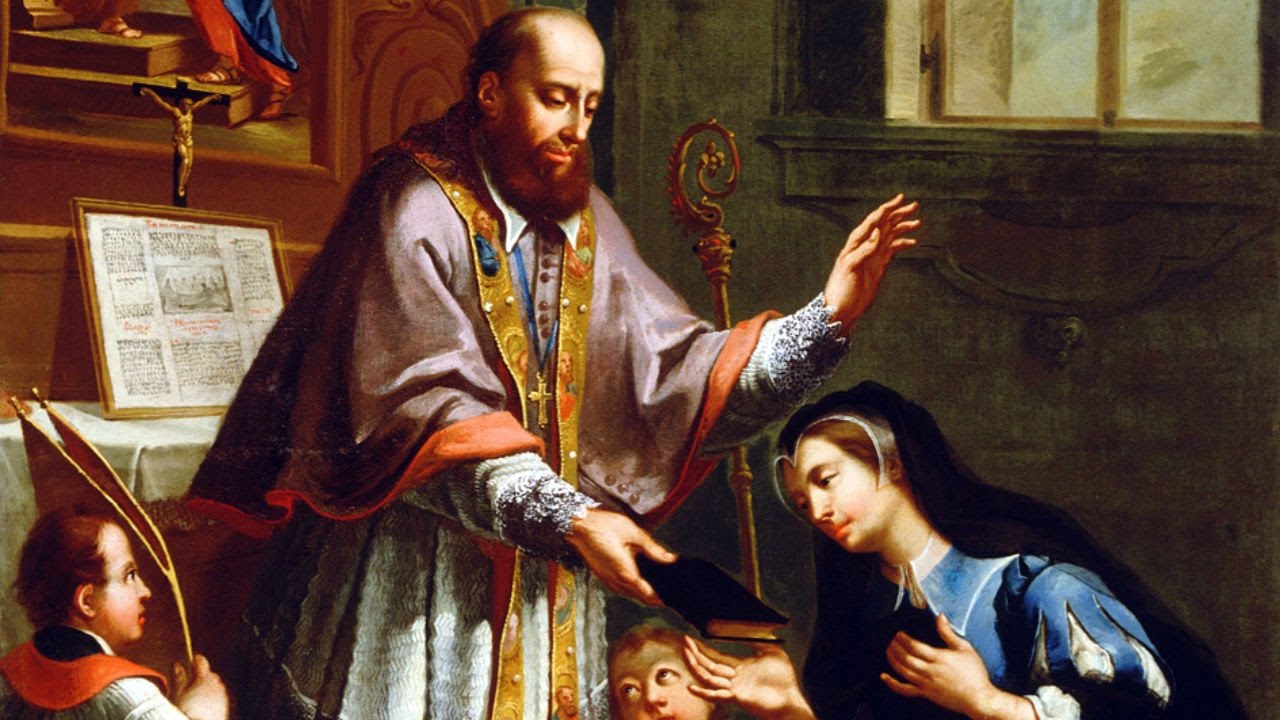
Here is an extremely amusing (and, in its own way, edifying) little chapter from Introduction to the Devout Life. I’ve only just encountered it by chance. It’s passages like this that rather make one understand why Evelyn Underhill summed up his teaching in the one line, “Yes, indeed, my dear Duchess, as Your Grace so truly observes, God is love.”

One can almost hear the Gentleman Saint sipping his tea at the end of each numbered item in the list below.

CHAPTER XXXIII. Of Balls, and other Lawful but Dangerous Amusements.

DANCES and balls are things in themselves indifferent, but the circumstances ordinarily surrounding them have so generally an evil tendency, that they become full of temptation and danger. The time of night at which they take place is in itself conducive to harm, both as the season when people’s nerves are most excited and open to evil impressions; and because, after being up the greater part of the night, they spend the mornings afterwards in sleep, and lose the best part of the day for God’s Service. It is a senseless thing to turn day into night, light into darkness, and to exchange good works for mere trifling follies. Moreover, those who frequent balls almost inevitably foster their Vanity, and vanity is very conducive to unholy desires and dangerous attachments.

I am inclined to say about balls what doctors say of certain articles of food, such as mushrooms and the like—the best are not good for much; but if eat them you must, at least mind that they are properly cooked. So, if circumstances over which you have no control take you into such places, be watchful how you prepare to enter them. Let the dish be seasoned with moderation, dignity and good intentions. The doctors say (still referring to the mushrooms), eat sparingly of them, and that but seldom, for, however well dressed, an excess is harmful.

So dance but little, and that rarely, my daughter, lest you run the risk of growing over fond of the amusement.

Pliny says that mushrooms, from their porous, spongy nature, easily imbibe meretricious matter, so that if they are near a serpent, they are infected by its poison. So balls and similar gatherings are wont to attract all that is bad and vicious; all the quarrels, envyings, slanders, and indiscreet tendencies of a place will be found collected in the ballroom. While people’s bodily pores are opened by the exercise of dancing, the heart’s pores will be also opened by excitement, and if any serpent be at hand to whisper foolish words of levity or impurity, to insinuate unworthy thoughts and desires, the ears which listen are more than prepared to receive the contagion.

Believe me, my daughter, these frivolous amusements are for the most part dangerous; they dissipate the spirit of devotion, enervate the mind, check true charity, and arouse a multitude of evil inclinations in the soul, and therefore I would have you very reticent in their use.

To return to the medical simile;—it is said that after eating mushrooms you should drink some good wine. So after frequenting balls you should frame pious thoughts which may counteract the dangerous impressions made by such empty pleasures on your heart.

Bethink you, then—

1. That while you were dancing, souls were groaning in hell by reason of sins committed when similarly occupied, or in consequence thereof.

2. Remember how, at the selfsame time, many religious and other devout persons were kneeling before God, praying or praising Him. Was not their time better spent than yours?

3. Again, while you were dancing, many a soul has passed away amid sharp sufferings; thousands and tens of thousands were lying all the while on beds of anguish, some perhaps untended, unconsoled, in fevers, and all manner of painful diseases. Will you not rouse yourself to a sense of pity for them? At all events, remember that a day will come when you in your turn will lie on your bed of sickness, while others dance and make merry.

4. Bethink you that our Dear Lord, Our Lady, all the Angels and Saints, saw all that was passing. Did they not look on with sorrowful pity, while your heart, capable of better things, was engrossed with such mere follies?

5. And while you were dancing time passed by, and death drew nearer. Trifle as you may, the awful dance of death must come, the real pastime of men, since therein they must, whether they will or no, pass from time to an eternity of good or evil. If you think of the matter quietly, and as in God’s Sight, He will suggest many a like thought, which will steady and strengthen your heart.

St. Francis de Sales, giving you the side-eye.

Advice from a French Nun

Screen Shot 2018-10-28 at 10.13.24 PM.png

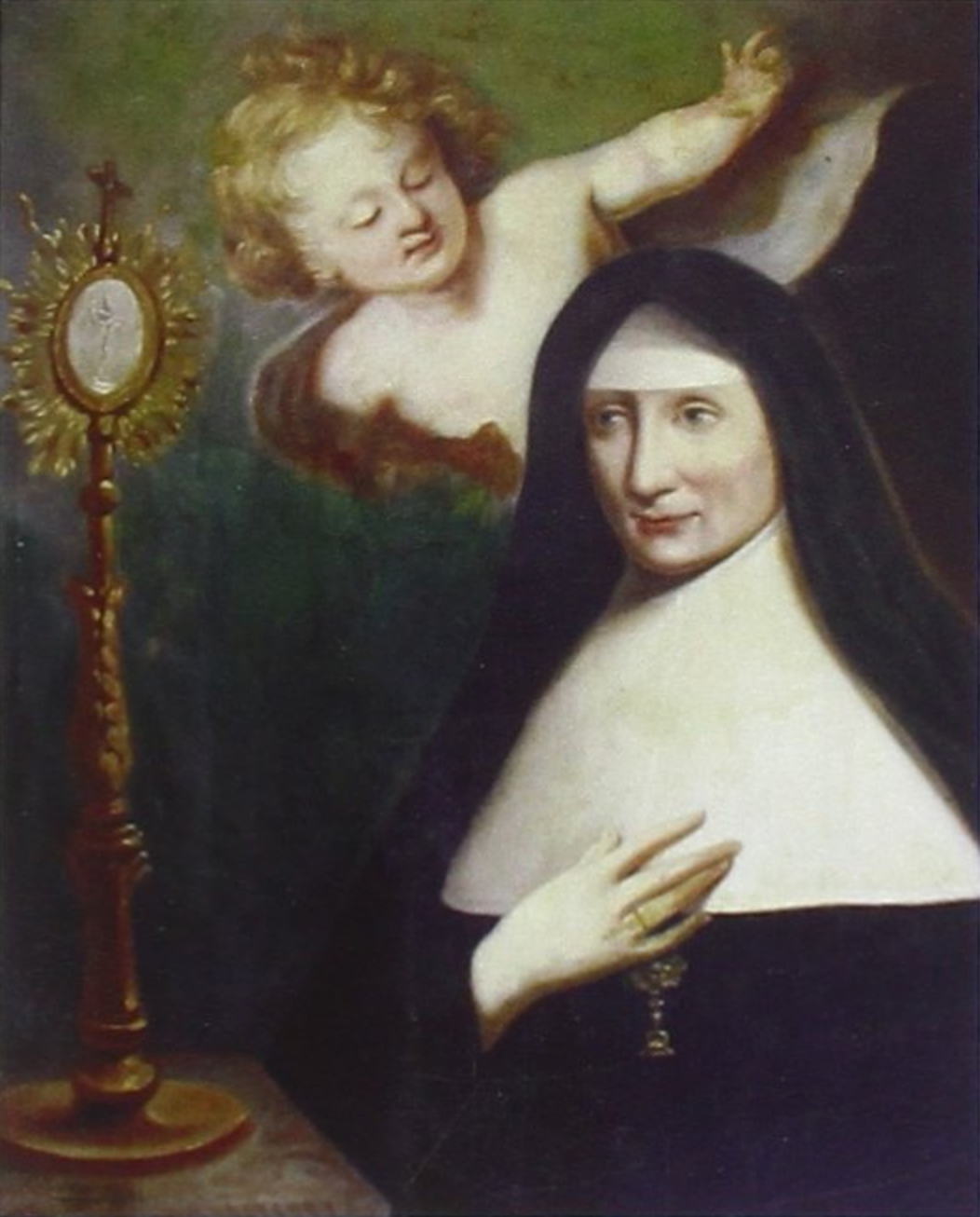
A portrait of Mother Mectilde de Bar adoring the Blessed Sacrament. (Source)

Sometimes readers ask me about more information on Mother Mectilde de Bar (1614-1698), the saintly foundress of the Benedictine Nuns of Perpetual Adoration of the Most Blessed Sacrament of the Altar. I would of course direct those who read French or Italian to any of the several biographical studies about Mother Mectilde that have come out in those languages. However, I would perhaps more eagerly urge my readers to a series of recent posts at Vultus Christi presenting what is, I believe, the first English translations of some of Mother Mectilde’s spiritual letters. Here they are with the titles the translator has given them at VC.

I. “So that I might begin to live in simplicity, like a child.”

II. “On the Meaning of Desolation and Sufferings.”

III. “The state in which you find yourself is of God.”

IV. “The divine labourer who works in you.”

V. “Yet ever thou art at my side.”

VI. “Nothingness doesn’t even attach itself to nothingness.”

VII. “Some sayings of Mother Mectilde.”

VIII. “He sets fire everywhere.”

IX. “All our discontent comes from self-will.”

And on top of all that, there’s a letter from the lay mystic Jean de Bernières to Mother Mectilde. Bernières is a good example of someone who, though posthumously condemned as a “Quietist,” is now being recovered as a source of valuable mystical insight. We have seen the same happen to Benet Canfield before, and it may yet occur to someone like Pietro Matteo Petrucci. More work needs to be done in this area. At any rate, translation of these early modern mystical works is badly needed.

Both as a practicing Catholic and as an historian of early modern Catholicism, I am encouraged that these works are being put into English for the first time. The English-speaking world is now getting a much better sense of the importance of this unique tradition within the Benedictine family. More translations, we are told, are coming. I eagerly await their publication.


On Gallicanism and Ultramontanism

CouncilofConstance.jpg

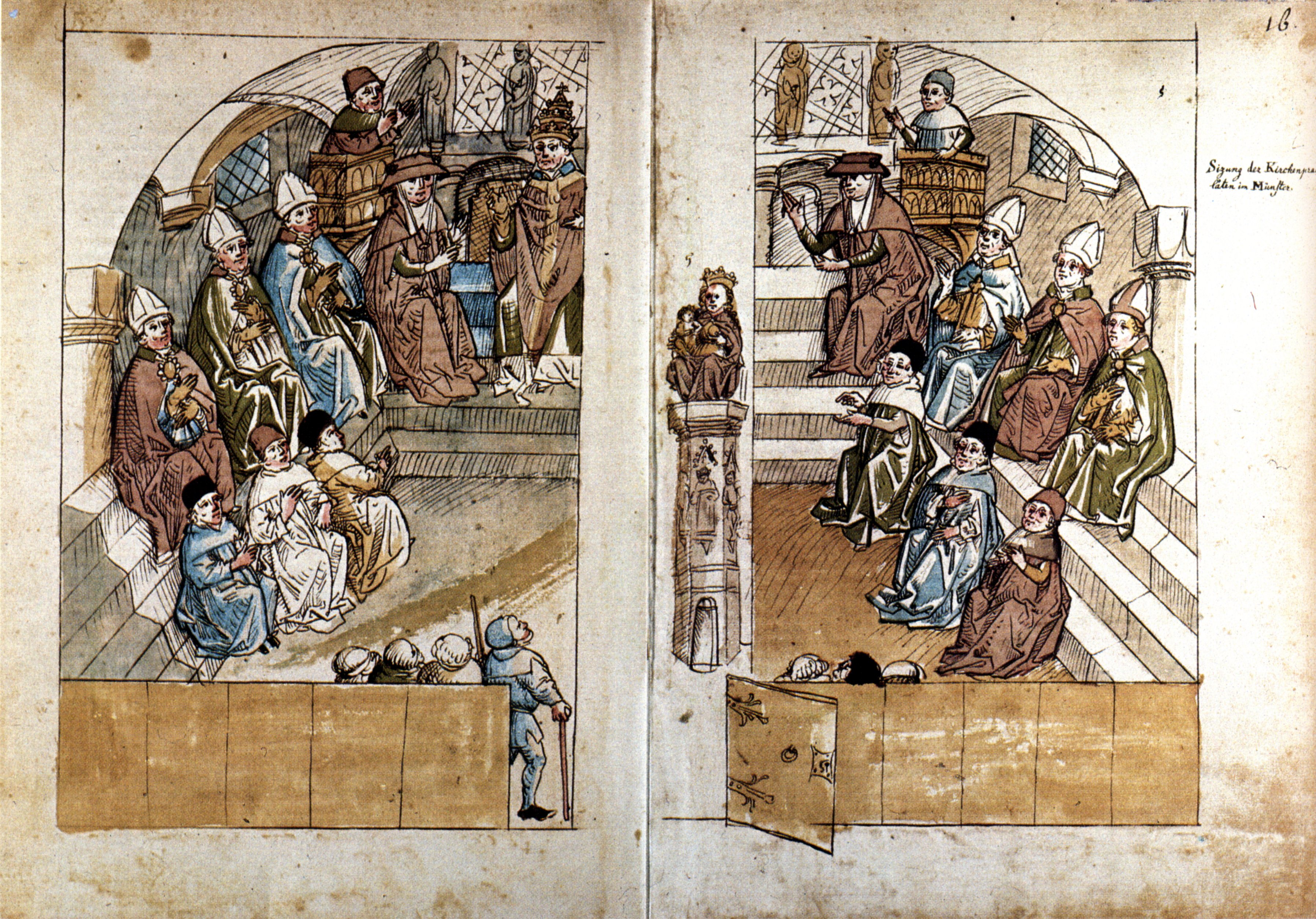
Scene from the Council of Constance, the Sixteenth Ecumenical Council (Source)

Over at Notre Dame’s Church Life Journal, there are two important pieces worth your time. The first, Dr. Taylor Patrick O’Neill’s “A Defense of Ultramontanism Contra Gallicanism,” is a theological analysis of the recent use of “ultramontanism” as a pejorative in Catholic discourse. Dr. O’Neill, a Neo-Thomist theologian, suggests that Ultramontanism is “the golden mean” by which to preserve a healthy and authentically Catholic respect for the Papacy. He writes:

But how does the historical usage of the term “ultramontane” hold any significance for us today? Given that the term arose as an insult against those who challenged the claims of Gallicanism, and given that those who championed papal primacy over local kings and bishops were legitimized at Vatican I, the term ought not to be associated with heterodoxy but rather orthodoxy.

To equate ultramontanism and orthodoxy is an extraordinary claim. While Dr. O’Neill recognizes that there are some excessively papalist versions of ultramontanism – a phenomenon he would prefer to call “super-ultramontanism” or “ultra-ultramontanism” – he fails to escape the very alienation from the term’s “historical significance” that he attempts to address.

Benigni_Umberto

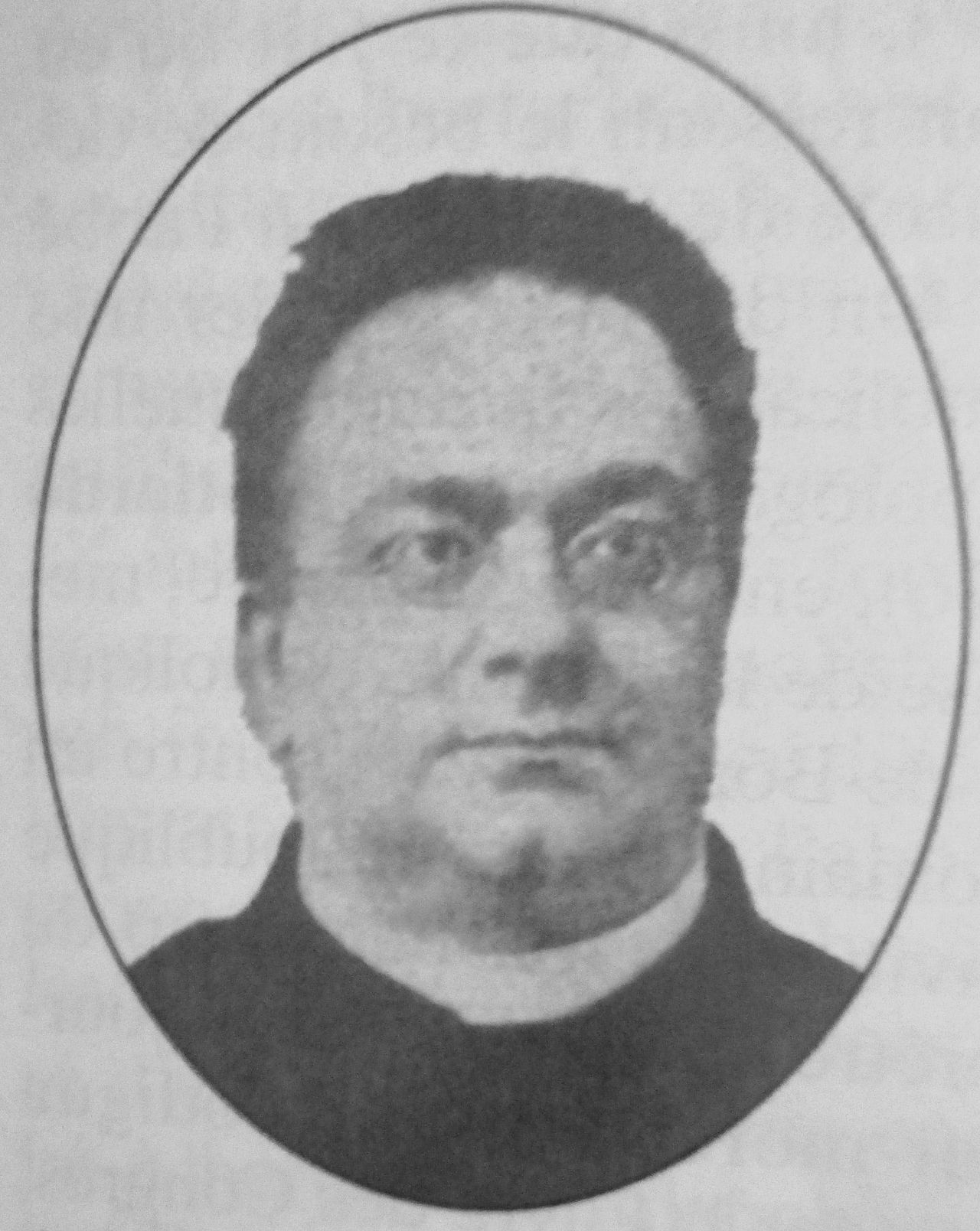
Umberto Benigni (1862-1934), Ultramontane church historian. (Source)

Take, for instance, his citation of Umberto Benigni’s article on “Ultramontanism” in the 1912 Catholic Encyclopedia. The passage O’Neill cites reads:

For Catholics it would be superfluous to ask whether Ultramontanism and Catholicism are the same thing: assuredly, those who combat Ultramontanism are in fact combating Catholicism, even when they disclaim the desire to oppose it.

If O’Neill had borrowed his words merely for a theological point, we might pass over the citation. But his is an historical judgment, not primarily a theological one. O’Neill doesn’t mention that Benigni is an out-dated, partisan, and sectarian Church historian whose article manifests those faults. It is hard to imagine any contemporary historian making much use of Benigni, whose other works include a volume entitled Ritual Murder Among the Jews (Belgrade, 1926-29).

Ultramontanism arose as a coherent and self-identified ecclesiological tendency under the pressures of post-Napoleonic Europe. While Papalism has always existed in the Church, the emergence of a self-consciously “Ultramontane” party before and after Vatican I was bound up with the Catholic response to modernity. And in some places – especially France – it was synonymous with less savory elements such as antisemitism. This fact alone hardly invalidates O’Neill’s theological point. But if we want to look at the term’s “historical significance,” I see little way to escape the actual history. “Historical significance” might just as well mean “connotations” as any sort of precise theological definition. O’Neill delimits ultramontanism by confining it to the realm of ideas as a functionally timeless truth. Yet he mires Gallicanism in the muck of human history. Ultramontanism is just the consistent teaching of the Church; Gallicanism, by contrast, is the small and fractious complaint of tendentious and self-interested minorities such as French kings and the Old Catholic schismatics. This discursive move may not be disingenuous, but it does set up a problematic historical imbalance. Ultramontanism is just as historically-conditioned as Gallicanism. Both involve something rather more than mere ideas – they enlisted social, political, and ecclesiastical movements, not always with very good results. And unfortunately, some of O’Neill’s history is simply incorrect.

At the same publication, the historian Dr. Shaun Blanchard’s “A Quasi-Defense of Gallicanism” provides some helpful correctives. It is a nuanced and well-argued piece (and well-sourced, too – Dr. Blanchard has seen fit to provide his readers with eight end-notes referring to reputable historical literature).

Against O’Neill’s suggestion that Gallicanism only arose after the Reformation, Blanchard correctly notes that the Medieval Conciliarist tradition most eloquently expressed by Jean Gerson (1368-1429) and the fathers of the Council of Constance (1414-18) provide ample groundwork for what would later be called “Gallicanism.” And Dr. Blanchard is right to point out that “Gallicanism” was never just one phenomenon, but a disparate tendency that crystallized into different forms of resistance to Papal centralization – not all of which were at play in Vatican I. Moreover, Blanchard correctly argues that, against Benigni and O’Neill’s interpretation, the Gallican minority at Vatican I preserved certain ecclesiological truths later vindicated by Vatican II. One could go on. Blanchard provides a great deal more historical background than O’Neill in support of his point.

blessed_neman_winter_cappa

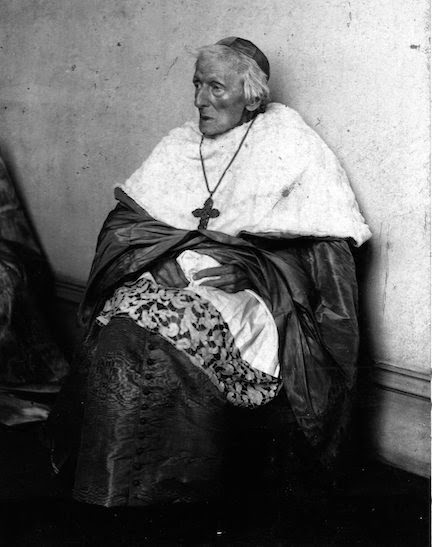
Cardinal Newman in his winter cappa. The man was no Ultramontanist. (Source)

Blanchard’s defense of Gallican thinkers such as Gerson, Bossuet, and Fleury is admirable. One could add to their names that of Cardinal Newman, whose soft-conciliarist ecclesiology earned the ire of ultramontanists like Cardinal Manning and W.G. Ward and Monsignor George Talbot, who famously wrote to Manning,

What is the province of the laity? To hunt, to shoot, to entertain? These matters they understand, but to meddle with ecclesiastical matters they have no right at all, and this affair of Newman is a matter purely ecclesiastical…Dr. Newman is the most dangerous man in England, and you will see that he will make use of the laity against your Grace.

None of this broader historical context appears in O’Neill’s piece. Perhaps it’s a little unfair to demand it, insofar as O’Neill is more interested in our contemporary debates than in the genealogy of the terms at play. But if we are to properly recognize “the historical significance” of ultramontanism, then we can’t really dodge the issue. If O’Neill is right to suggest that “the term ought not to be associated with heterodoxy but rather orthodoxy,” then men like Newman are beyond the pale of orthodoxy. And that seems like rather an impoverished vision of the Catholic intellectual life. I will conclude with Dr. Blanchard’s own measured words on the matter.

My point in this qualified defense of Gallicanism is not that we should “return” to Gallicanism, if such a thing were even possible. Neither must we equate ultramontanism with Catholic orthodoxy, simply because ultramontanes triumphed at Vatican I. Catholic orthodoxy is too big to be equated with either. The Catholic faith is big enough and dynamic enough to include what is good and true in ultramontanism and in Gallicanism, and likewise to reject what is harmful, false, or exaggerated in both.

Read them both.

Three New Books for Early Modernists

There are some very exciting publications coming out soon…especially for those of us who study religion in the early modern period.

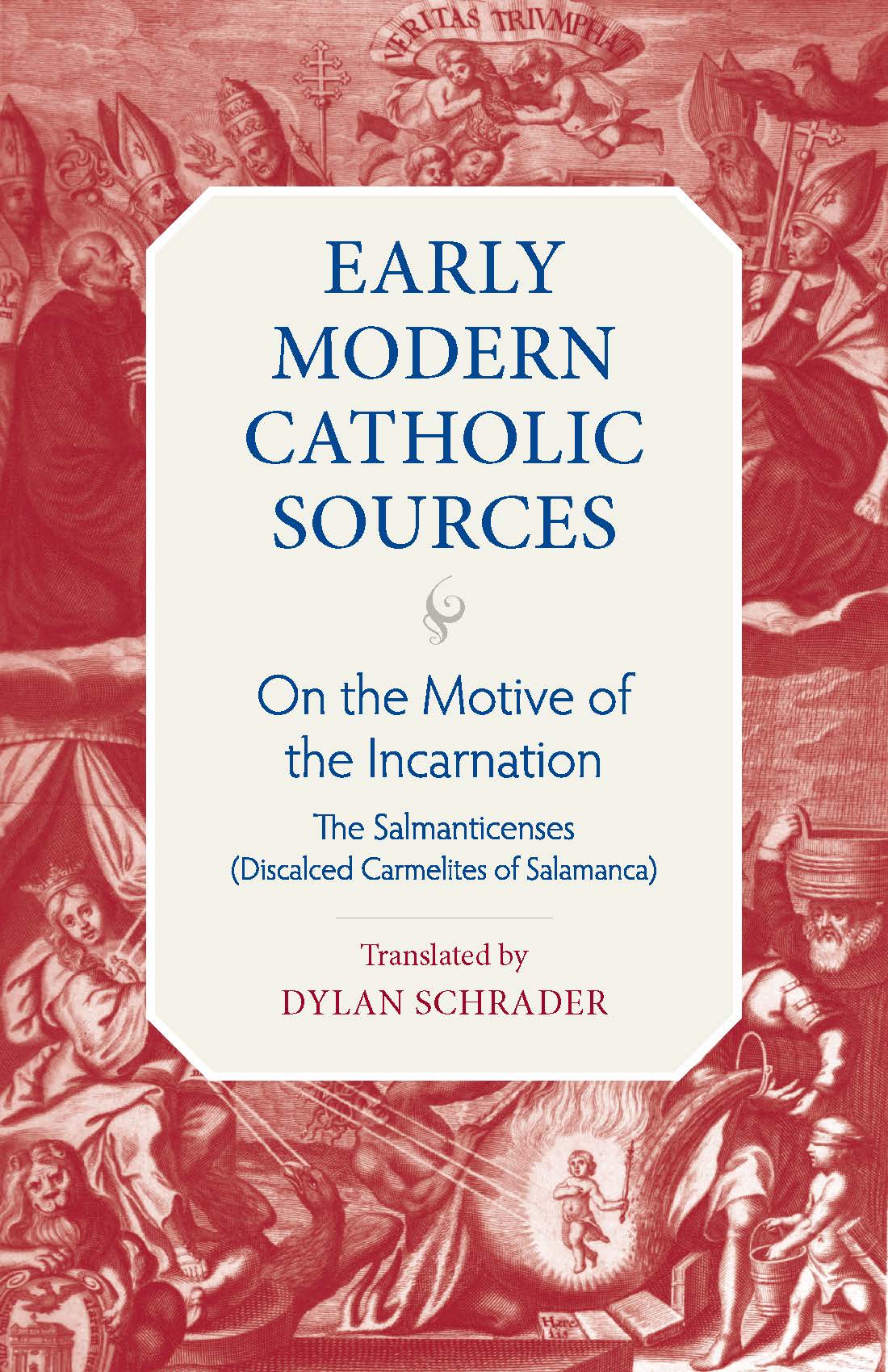
First, there’s a new series from CUA Press on Early Modern Catholic Sources, edited by Ulrich Lehner and Trent Pomplun. The first volume covers Christological debates among the Discalced Carmelites of the School of Salamanca. I think it’s a fair assumption that this material has never been translated before. The first volume should appear in 2019.

Salmanticenses-final-sketch

Vol. I of Early Modern Catholic Sources (Source)

Second, and more germane to my own work, we have Jeffrey Burson’s very promising intervention into the perennial “Enlightenment” v. “Enlightenments” debate. His new book, Culture of Enlightening: Abbé Claude Yvon and the Entangled Emergence of the Enlightenment, is scheduled to be released from Notre Dame Press in May 2019. Burson has already established himself as a major scholar of the Catholic Enlightenment, and his newest foray promises to be his most ambitious work yet.

Bursonbook

Burson’s new book (Source)

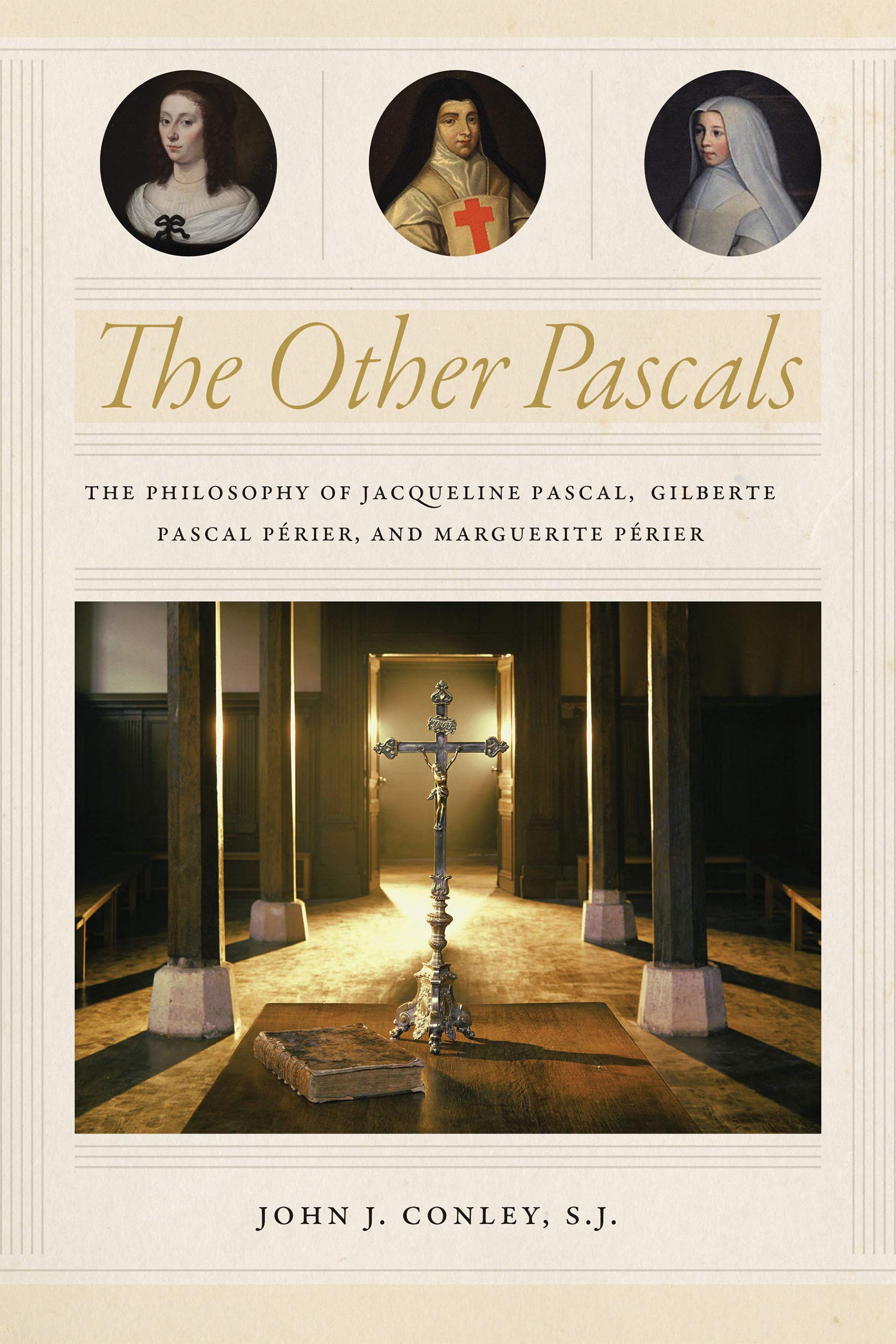
For those of you who, like me, take an interest in the Jansenists and in early modern Catholic women, you’ll be happy to know that there’s a new study of Pascal’s sisters by Rev. John J. Conley, S.J. The Other Pascals: The Philosophy of Jacqueline Pascal, Gilberte Pascal Périer, and Marguerite Périer, another ND Press piece slated for an April 2019 release, will no doubt shed new light on these fascinating figures. Conley has done important work before on Catholic women in the 17th century – I look forward to his newest treatment of the subject.

OtherPascals.jpg

A Jesuit writes about Jansenists (Source)

And if you’re just looking for general book recommendations, might I refer you to Incudi Reddere? You’ll find much more there.

The Horses of St. Bruno

Today is the Feast of St. Bruno, founder of the Carthusians. While many know of the Carthusians for their famous silence, their holy way of life preserved from corruption down the centuries, and that wonderful green liqueur they make, few are aware of another gift they have given the world: a breed of Andalusian horse known as the Cartujano.

Cartujano1

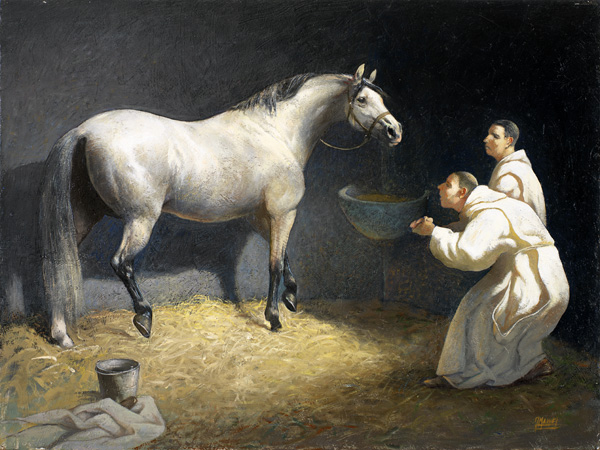
Monks with their horse. (Source)

The breed emerged as early as the 1400’s, and had become an important strain of the Spanish equine population by the early modern period. They originated at the Charterhouse of Jerez. The story of their arrival at the monastery is a little uncertain, but one plausible theory holds that:

“Don Pedro Picado, was unable to pay his ground rent to the monks…decided to pay them…in kind by offering them his mares and colts. These animals had been bought…from the brothers Andrés and Diego Zamora…who formed this small stud farm from a stallion bought from a soldier, and one of its sons, a colt of extraordinary beauty and grace, called ‘Esclavo.'”

Cartujanotoday.jpg

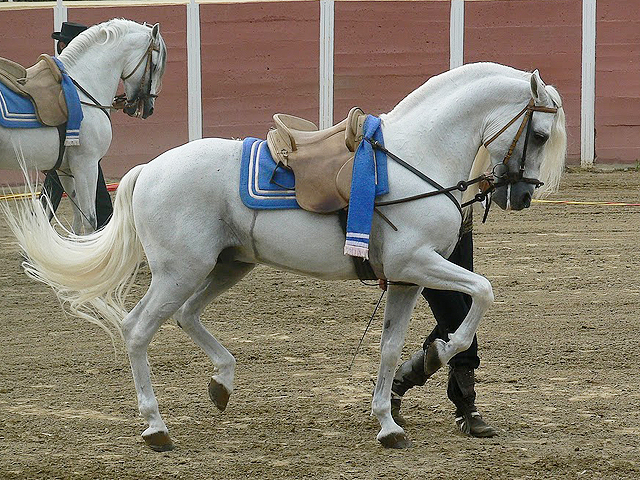
A Cartujano today. (Source)

At any rate, the monks commenced a breeding program that lasted for hundreds of years – they only lost their monopoly on the line at the French invasion. The end result was what one source has called “the purest of Spanish horses.” Take a look at the numbers:

The Carthusian horse, or Cartujano is not a distinct breed of horse but rather an offshoot of the pure Spanish horse and is considered the purest strain remaining with one of the oldest stud books in the world. Roughly 82% of the Pura Raza Espanola (PRE) population in Spain contains Cartujano blood. But there are less than 3% pure Cartujano horses within the PRE population and only 500 pure Cartujanos in existence in Spain today.

Music Study III_ 004

“The Cartujanos,” Jose Manuel Gomez. (Source)

Virtually all Cartujanos today are descended from that first horse at Jerez, that Jacob of horses – “Esclavo.” You can see one in action here.

Cartujano2

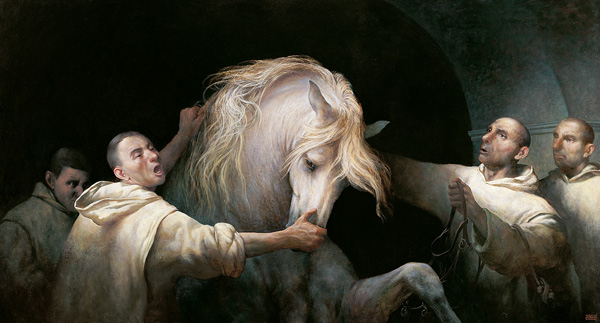
Monks and their horse. (Source)

We need not justify the monastic life on terms other than its own final good – that is, union with God. Or even its secondary good – prayer for the world. But if one is seeking “useful” or “worldly” benefits of monasticism, look no further than the Cartujano horse. The continuity provided by the monastic state over centuries allowed proper record keeping and a meticulous attention to the intricacies of a sustained lineage. These beautiful creatures are one testament to the salutary work of monks in history.

Cartujano3

I’m sure there’s a spiritual metaphor here. (Source)


A Carmelite Daughter of St. Philip: The Venerable Serafina di Dio, O.C.D.

One of my favorite essays to write on this blog so far has been my study of the way that St. Philip Neri embodied certain Benedictine qualities. In that piece, I argue that sometimes we can gain a deeper understanding of a saint by looking at their likenesses with saints of a different religious family or by the influence of other saints in their lives. As an extension of that essay, I’d like to introduce my readers to a Venerable whom they have probably never heard of, one who followed St. Philip in a very Benedictine spirit: the Venerable Serafina di Dio, O.C.D.

Venerabile-serafina-di-dio-fondatrice-.jpg

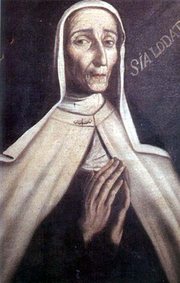
Ven. Serafina di Dio (1621-1699), Neapolitan Carmelite mystic. (Source)

The Life of a Mystic

Prudenza Pisa was born in the Kingdom of Naples in 1621. She clashed with her father at a young age when she refused to marry the young man he had chosen as her husband. She also cut her hair and donned pentiental garb. These actions did not go over well, and she soon found herself expelled from the household. Prudenza resided during this rather fraught period in what was essentially the family chicken coop. Yet she grew closer to her mother, who brought her meals secretly. Prudenza saw these sufferings as an opportunity for growth in trust of God. She also set herself to the good works of visiting the sick. In the Neapolitan Plagues of 1656, she continued her ministry even as the illness claimed her beloved mother. Her behavior at this terrible juncture was edifying:

Seraphina prepared her mother for death and actually closed her eyes when she died on August 5th 1656. Christian burial was not allowed during the plague. With her own hands, she dug a shallow grave in the backyard and personally buried her mother.

Yet her active life was soon to draw to a close. One of her uncles, a prominent priest, died of the same plague. He had been planning to found a convent of enclosed nuns on Capri. She carried on this noble work after his departure. She gathered together various companions from Naples and, on 29th of May, 1661, took the habit of the Discalced Carmelites at Naples Cathedral. It was then that she took the name of Serafina of God. Later that year, the community moved to Capri. Their residence soon proved inadequate, and they constructed a much larger monastery dedicated to the Most Holy Savior. Mother Serafina’s leadership bore fruit in another six Carmelite convents in the Kingdom of Naples, a remarkable flourishing clearly drawing its power from the Holy Ghost.
BenedictXIII.png

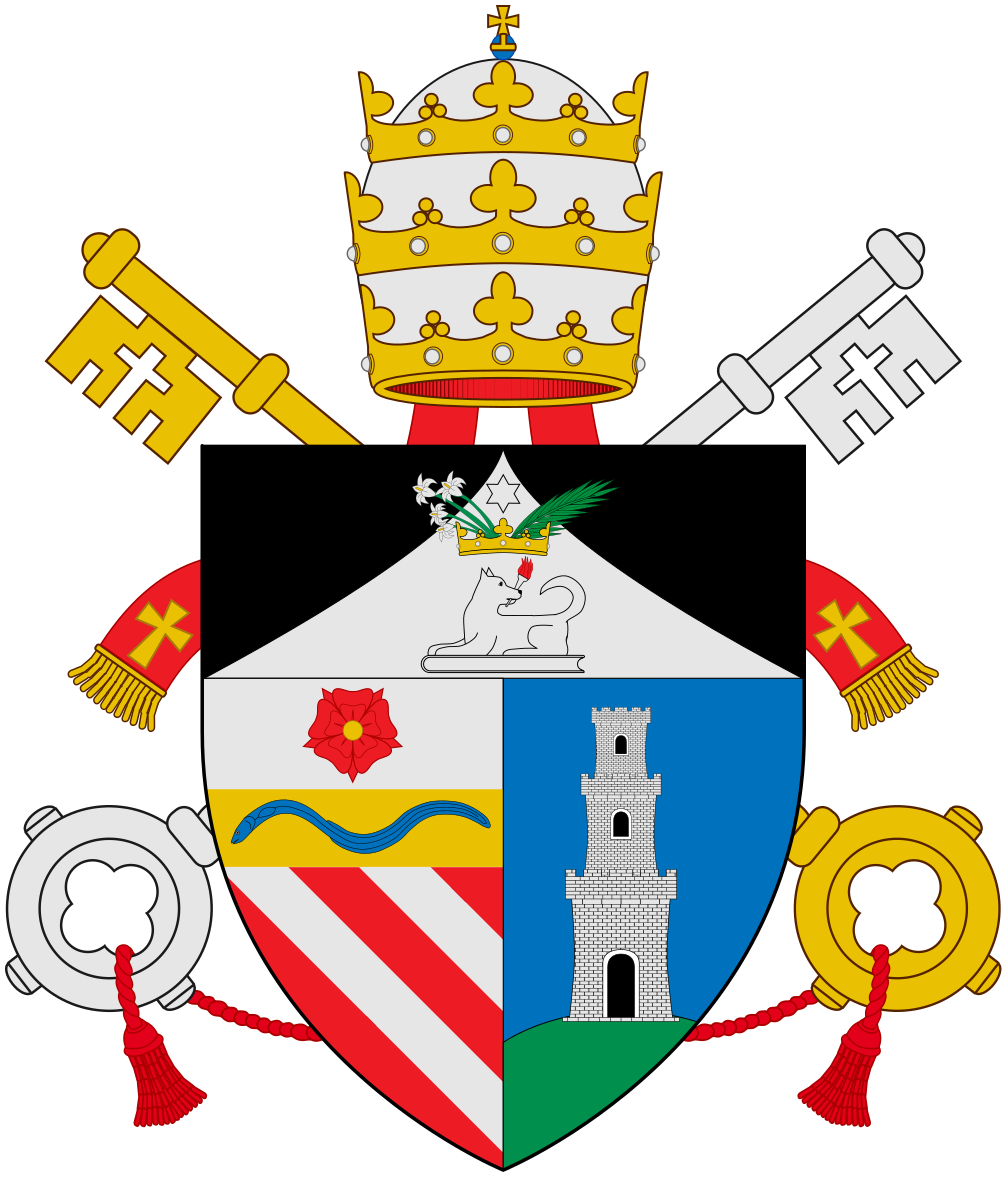
The (very Dominican) arms of Pope Benedict XIII, friend of Ven. Serafina di Dio (Source)

Ven. Serafina was not without trials. Although she wrote an attack on Quietism, she was herself accused of this noxious heresy. For six years, the Inquisition conducted an investigation into her writings and activities. For two, she was confined to her cell without the benefit of Holy Communion. But at last, her name was cleared, in no small part because of the intervention of her friend, Archbishop Vincenzo Maria Orsini, the future Pope Benedict XIII.

There can be little doubt that these troubles arose from within her own religious family. Although Mother Serafina was entirely blameless in conduct, her manner of spiritual leadership won her many enemies among her more lax daughters. Perhaps some of the trouble could have been anticipated from the fact that her recruits were customarily drawn from the ranks of the Neapolitan aristocracy, not a class generally known for its ascetic rigor. The Carmelites treated their foundress poorly. For example, while Serafina was ill in her confinement, she begged to see some of the sisters. They did not come. Yet the patience with which she bore these final trials remains exemplary. As one biographer notes, “Two days before she died she asked the Prioress to look after the sisters who had been so contrary to her, making excuses for their behavior.” This mercy converted the hard of heart, for, as the same writer says, “After her death on March 17, 1699, some of the sisters who were most against her became some of the most enthustiastic promoters of her Cause.”

Spiritual Daughter of St. Philip Neri

An heir of the Tridentine reform, the Ven. Serafina was a great admirer of St. Teresa of Avila, whom she endeavored to emulate in all things. She was a prolific writer, composing at least 2,173 letters and enough theological writing to fill 22 books. Some of her topics included:

SerafinaWriting jpg.jpg

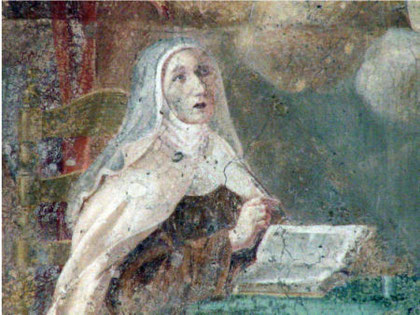
Ven. Serafina writing (Source).

-the prayer of faith
-mental prayer
-the love of God and the practice of the divine presence
-the common life
-conformity to the will of God.

Alas, I don’t believe any of these have been translated into English. Perhaps some intrepid early modernist will someday render these works into the Anglo-Saxon tongue.

Serafina was also a visionary mystic. She went about life with a constant ability to fall into meditation. In Serafina’s own words:

“…Anything I looked at I was able to turn into a meditation… When I saw it raining, I thought of the refreshment which the rain brought to the earth and that without it the earth would be arid. I would say: ‘If the water of divine grace did not fall on the soul, it would dry up without providing the fruits of good works.’ … The sight of fish swimming in the sea made me remember how the saints are immersed in God… And in such wise everything, even the slightest things, served me for my spiritual nourishment.”

The greatest misfortunes could not turn her from the praise of God. For in all things, she perceived the benevolent Providence of God. Her unfailing rule was that “All that God did and allowed was beautiful, good, ordered for our good.” Even the terrible things in life thus became for Serafina an occasion of magnification and blessing.

Serafina was also a visionary mystic. At one point, “She was so overwhelmed with her vision of the Godhead that she wondered what else could be reserved for her in heaven.” The experiences she was granted were extraordinary, though she took pains to keep them discreet. Yet we do have letters attesting to some of her ecstasies.

One figure who emerges as particularly important in her religious life is St. Philip Neri. The Oratorian Fr. Francesco Antonio Agnelli tells us that she honored St. Philip by, for instance, devoutly kissing the feet of the crucifix thirty-three times in his honor; she was repaid for this act of love with a vision of the glorified St. Philip prostrate and kissing the feet of Jesus thirty-three times in her name (Agnelli 194).

Serafina’s spiritual father was Fr. Vincenzo Avinatri of the Naples Oratory. She wrote him letters describing the visions she had of St. Philip. In one such letter, she reports that

“I saw the Saint, with the great Mother of God, in a flame of fire, and surrounded with light…with a sweet countenance, he told me many beautiful things…He showed me what his sons ought to be, and the dignity of the Congregation, made, so to speak, in the likeness of God and of the three Divine Persons, and especially of the Person of the Holy Spirit…Without speaking, he had explained to me the perfection we must have in order to be sons of light. It would be a monstrous thing if fire generated snow, if light brought forth darkness, if crystal produced mud…How much greater wonder would it be, if in any of the sons of St. Philip, who are called sons of the Holy Spirit, there should be any defect!” (qtd. in Agnelli 195-96)

In another vision that came to her on the vigil of St. Philip’s day, she was carried way into a heavenly rapture and saw the Saint aflame with a supernal light. And in view of St. Philip, she saw her own heart on fire, as well. But it did not glow as brightly as his; therefore, she prayed to the Saint that she might receive a more perfect and ample share of Divine Love. As Agnelli describes it,

Then the Saint united his heart with hers, and thus united they sent forth a great flame; she felt so much love that she could not express it, and the Saint invited her to rejoice in the presence of the Lord, and to sing His praises, desiring her to repeat with him these words, Sanctus, Sanctus, Sanctus, Magnus Dominus et laudabilis nimis [Holy, holy, holy, great is the Lord and worthy of all praise], adding that it is impossible to find in the most devout Canticles words more pleasing to God. (Agnelli 194-95).

She was thus adopted by the saint as a kind of daughter in the Spirit. She also looked upon Oratorians as her own sons. This spiritual affinity was later attested by a physical resemblance with St. Philip. When an autopsy was conducted on Mother Serafina’s body, the examiners found signs of transverberation in her heart.

It may seem odd for a visionary to become so friendly with St. Philip and his sons. After all, St. Philip himself was notorious for his skepticism when it came to visions. He had treated the Ven. Ursula Benincasa with unrelenting verbal abuse to test her inspiration – a test she passed, even if the holy man never quite came around to endorsing her. St. Philip taught that, “As for those who run after visions, dreams, and the like, we must lay hold of them by the feet and pull them to the ground by force, lest they should fall into the devil’s net.” Though a man of tremendous supernatural gifts himself, he knew that the spiritual world was a minefield of dangers. False visionaries abounded in his day, and his prudent words have retained their perennial wisdom down into our own era.

To properly understand the nature of Ven. Serafina’s visionary mysticism, and why we can properly say it breathes of a Philippine spirit, we must look at it in the context of her leadership of a Carmelite monastery.

A Liturgical Mysticism

The troubles in Serafina’s life began because of her governance. As one biographer has it,

As often happens, Sr. Seraphina’s strongest talents and graces became her heaviest crosses. In her foundations she shared her convictions about religious life with her sisters. She firmly believed that the best guarantee of authenticity of one’s religious experience was a dogged faithfulness to the traditional forms. She was immersed in the church’s liturgy, the celebration of the Eucharist, the Divine Office, the liturgical year, and the feasts of the Saints. She was often led to intimate communion with Christ Jesus at the liturgy beginning with the midnight office. She also stressed the need for silence and solitude as requisites for prayer. [emphasis mine – RTY]

Her tenacious devotion to the traditional forms of worship and to the great prayer of the Church, the Liturgy and Divine Office, shows that the Ven. Serafina was in every way a monastic. Indeed, these salutary measures evince a Benedictine sensibility.

SeraphinadeDeo.jpg

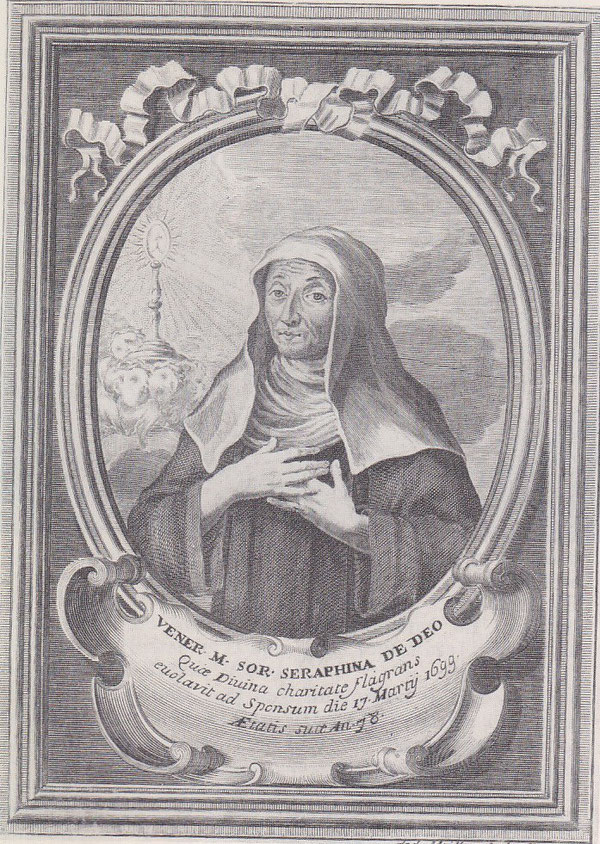
An 18th century portrait of the Ven. Serafina di Dio. Note the prominent place of the Blessed Sacrament in this composition. (Source)

Her ecstasies were not a superfluous and shallow add-on to this liturgical life. She built the house of her prayer upon the rock of tradition, and it was illumined with the uncreated light of the Holy Ghost.

Serafina’s mystical life was tied to her experience of the liturgical calendar. For instance, any of her most profound encounters with St. Philip took place on the vigil and day of his feast (Agnelli 194-95). A cynic would see in this timebound quality a mark of the merely human dimension of religion, a fine example of confirmation bias. But those who have learned of divine things will discover a deeper reality. In Serafina they will see a soul that has grown attuned to the Wisdom of God, made manifest in time through the Incarnation of Christ and the Liturgy of the Church.
altaresantissimosalvatore.jpg

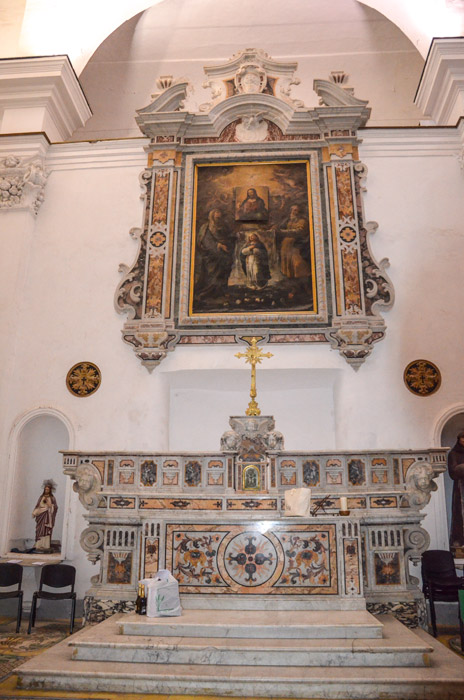
High Altar of the Chiesa Santissimo Salvatore, Capri. Although it has not been a Carmelite monastery since Napoleonic times, this is the altar where the Ven. Serafina would have received communion. (Source)

These are quintessentially sound foundations for the spiritual life. Her strictly liturgical and monastic way engendered serious opposition among her daughters, but it also gave her the strength to bear that opposition with true Christian patience. One can only imagine the terrible suffering that two years without the Blessed Sacrament must have inflicted on such a soul. Yet, by grounding herself in the Liturgy, she was able to nourish that innate trust in Providence already evident in her earliest days. Surely, that sustained her in the darkest days of her old age.

The Long Road to Sainthood

It seems somehow appropriate that, as an adopted daughter of St. Philip, the Ven. Serafina should not yet have been canonized. Many of his spiritual children have had a similar fate. Witness the stalled cases of Ven. Cardinal Cesare Baronius, Bl. Juvenal Ancina, Bl. Anthony Grassi, and Bl. Sebastian Valfre, just to name a few of the many early modern Oratorians who have not yet reached the highest altars of the Church.

Still, we can pray that this Carmelite mystic will one day be recognized as the saint she was. Let us beg her intercession and emulate her profound devotion to the Liturgy of the Church.

UPDATE: A Carmelite friend pointed out to me that Ven. Serafina was in fact not subject to the jurisdiction of either Carmelite order, essentially running independent Carmelite conservatories of oblates in the Discalced habit, following an adaptation of St. Teresa’s constitutions. She was a sort of Carmelite version of St. Francesca Romana. More info can be found in the works of Smet. As such, any use of the Carmelite letters after her name may be inappropriate, but given a) the unusual nature of the case, and b) the difficulty of changing my title and thus invalidating links, I have decided to keep my text as is and merely add this disclaimer.
SerafinadeDeo2.jpg

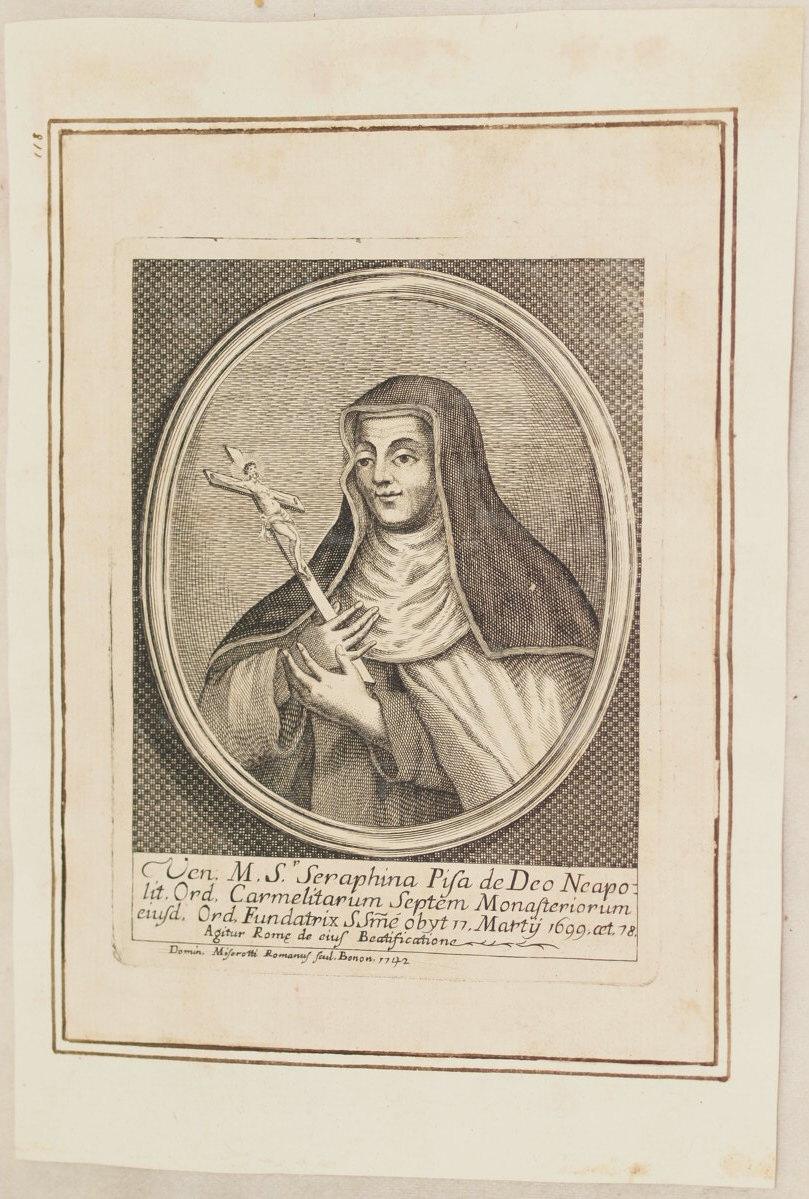
May the Ven. Serafina di Dio pray for us! (Source)