The Clock of the Passion

What follows is an original translation of L’Horloge de la Passion, a brief meditative text written by the Solitaire of Port-Royal, Jean Hamon (1618-1687), a doctor of medicine, mystic, and exegete. Hamon wrote L’Horloge for the sisters of Port-Royal to use during perpetual adoration of the Blessed Sacrament, perhaps during the Triduum. Perpetual adoration was a central feature of life at Port-Royal from 1647, when Mère Angélique returned from the unsuccessful venture of the Institut du Saint-Sacrement.

Each hour represents a different mystery of the Passion and is calibrated to follow the Passion narrative in real time. Hamon concludes with several prayers, probably composed first in Latin and then put into the vernacular. I have take the liberty of reproducing the Latin below while translating from the accompanying French.

This document, though originating from the heyday of Port-Royal, was only published in 1739 in the post-Unigenitus ferment of Jansenist print culture. It remains a very edifying text and a testament of the vitality of the spiritual life that characterized those wayward ascetics clustered around Port-Royal. I offer it here both out of historical interest for those who, like me, look at Port-Royal for academic reasons, and because I felt that such a text may be of some use and consolation to the faithful in this very unusual Holy Week, when death hedges us all around.
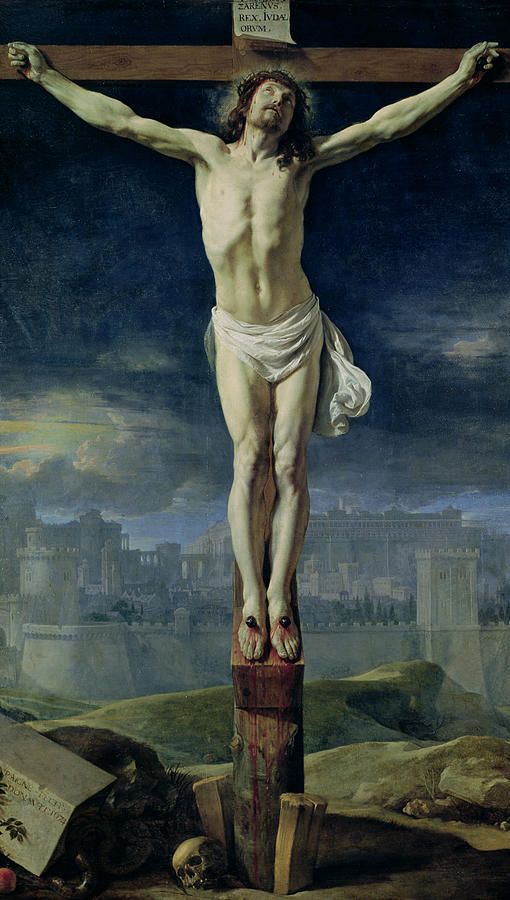
Christ on the Cross, Philippe de Champaigne, before 1650 (Source)

L’Horloge de la Passion

At six o’clock in the evening: Jesus Christ washes the feet of His Apostles. Humility. Help to our neighbor.

At seven o’clock in the evening: Jesus Christ institutes the Most Blessed Sacrament. Recognition and perpetual memory of this benefit.

At eight o’clock in the evening: Jesus Christ prays to His Father for the salvation and union of His Elect. To renounce everything that can stops us from being one with Jesus Christ and our brethren.

At nine o’clock in the evening: Jesus Christ is sad even unto death. Confidence in the weakness of Jesus Christ, who is our strength in our dejection and our miseries.

At ten o’clock in the evening: Jesus Christ prays to His Father to take away the chalice of His sufferings. Submission to the will of God.

At eleven o’clock in the evening: Jesus Christ enters into agony. To resist sin with courage.

At midnight: Jesus Christ, after having turned back the Jews by a single word, allows himself to be caught. To see God in all that man cause us to suffer.

At one o’clock in the morning: Jesus Christ allows himself to be carried off by the Jews. Sweetness and humility in ill-treatment.

At two o’clock in the morning: Jesus Christ is presented to the High Priest. To revere God in secular and ecclesiastical authorities.

At three o’clock in the morning: Renunciation and penance of St. Peter. Fidelity in confessing the name of Jesus Christ. Humble return to Him after our falls.

At four o’clock in the morning: Jesus Christ is presented before the Council of the Jews. To listen to the word of God as being truly His word. To adorer the Truth, never to raise ourselves against it.

At five o’clock in the morning: Jesus Christ mocked and outraged by the servants of the Priests. To suffer humbly both scorn and injuries.

At six o’clock in the morning: Jesus Christ is brought before Pilate. Adoration and imitation of the silence of Jesus Christ, when we are accused.

At seven o’clock in the morning: Jesus Christ is sent to Herod. To pass as foolish before men even though we be truly wise.

At eight o’clock in the morning: Jesus Christ is scourged. To take part in the sufferings of Jesus Christ and His members.

At nine o’clock in the morning: Jesus Christ is crowned with thorns. To adore Jesus Christ as our King. To suffer with him, is to reign.

At ten o’clock in the morning: Jesus Christ is condemned to death. To die to one’s self is to live in Jesus.

At eleven o’clock in the morning: Jesus Christ carries His Cross. Let us carry ours after him; he carries it with us.

At noon: Jesus Christ is crucified. To attach ourselves to Jesus Chris, and to desire to be attached by Him to the Cross.

At one o’clock in the afternoon: Jesus Christ is lifted up upon the Cross. To raise our eyes and heart towards the mysterious and divine Serpent.

At two o’clock in the afternoon: Jesus Christ speaks to His Father, to the Blessed Virgin Mary His Mother, and to St. Jean. Attention to these divine words that comprehend our duties.

At three o’clock in the afternoon: Jesus Christ gives up the ghost. To adore His death; to unite ours to him.

At four o’clock in the afternoon: The open side of Jesus Christ sheds blood and water. Rest in the Side and in the Wounds of Jesus Christ. To honor the Sacraments established in the Church.

At five o’clock in the evening: Jesus Christ is buried, and placed in the tomb. To be buried with Him. To hope for the Resurrection.

Prayers – That one can say in adoring the Death of Jesus Christ

Ut beatam horam Mortis tuae adoramus, Domine, da nobis ut horam mortis nostrae, quam solus nosti, perfecto corde & vivendo & moriendo adoremus.

Vouchsafe unto us grace, O Lord, that in adoring the hour of Thy Death, we might adore, in living and dying with a heart perfectly submitted to Thine commands, the hour of our death, that is known to none but thee.

Domine Jesu, qui mori voluisti ne moreremur, sed de morte ad vitam transiremus, recordare Mortis tuae in tempore mortis meae, cum nec tui nec mei recordari potuero.

Lord Jesus, who hast desired to die to deliver us from death, and to cause us to pass from death to life, remember Thou Thy Death at the hour of mine, when I will be no longer in a state to think of either myself or Thee.

Mortem meam quae poena peccati est, tutetur & protegat Mors tua, quae tollit peccata mundi, ut jam pie cogitando quia mortuus es, tunc moriendo non moriar.

May Thy Death that nullifies the sins of the world be my protection in death, which shall be the penalty of sin; and in thinking with piety that Thou art dead, in dying even may I not die.

Versetur semper ante oculos meos tempus Mortis tuae, quae mihi sit fons vitae, cum vita mea defecerit, ut in Morte tua vitam invenire possim qui in vita mea mortem singulis diebus invenio.

May Thy Death always be present to me, so that it may be unto me a source of immortal life when I will lose this corruptible life; and instead of often finding death in my life, may I find life in Thy Death.

Fac, Domine, semper conjungam cogitationem Mortis tuae cogitationi mortis meae, ut quod in morte mea amarum esse potest, benedictione Mortis tuae dulcescat; sicque vitae permanentis amore, mortis transeuntis levem ictum non reformidem.

Vouchsafe unto me the grace, O Lord, of ever uniting myself to the thought of Thy Death in the remembrance of mine, so that what there might be of bitterness in my death might be sweetened by the blessing of Thine; and thus that the love of an eternal life might cause me not to dread anything of the blow, so light, of a voyaging death.

Bene vivam, Domine, ut bene moriar. Ut bene vivam, vivam de te. Ut bene moriar, moriar in te,. Vitam meam informet Vita tua, ut sancta sit; & mortem meam defendat Mors tua, salus nostra, ut sit salutaris,

Vouchsafe unto me the grace, O Lord, of living well, that I may die well. May I live in Thee, that I might live well: and to die well, may I die in Thee. May Thy life be the rule of my life, so that it may be holy; and may Thy Death, which is the cause of our salvation, safeguard my death so that it may procure unto me salvation.
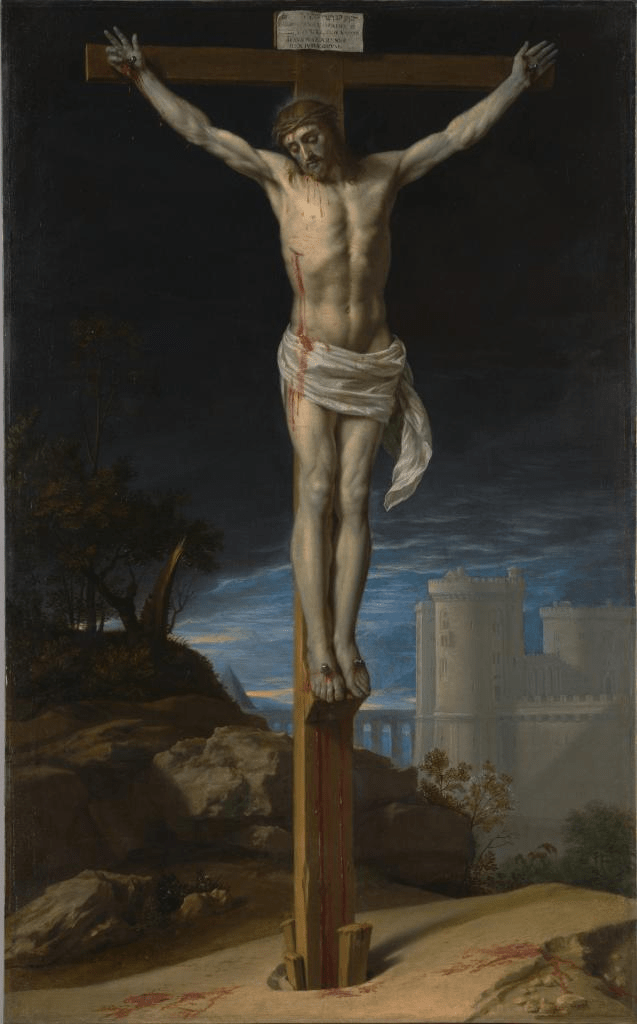
Christ on the Cross. Another treatment of the Passion by Philippe de Champaigne. c. 1655. Given by the artist to his sister Marie, a Beguine in Brussels. (Source)

Charles Williams, Marriage, and a Shameless Plug

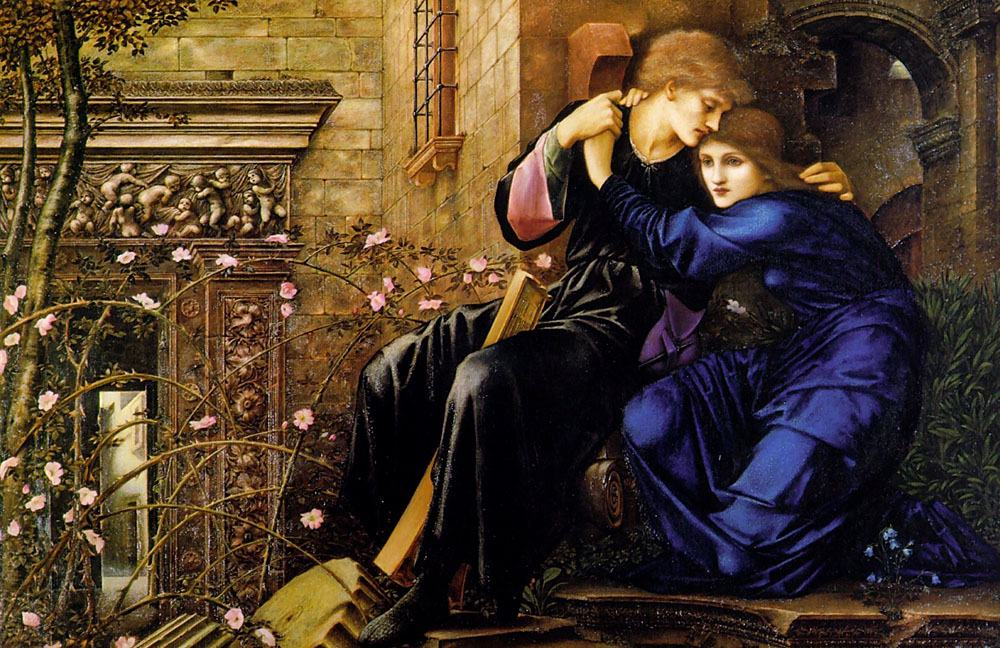
edward_burne-jones_love_among_the_ruins

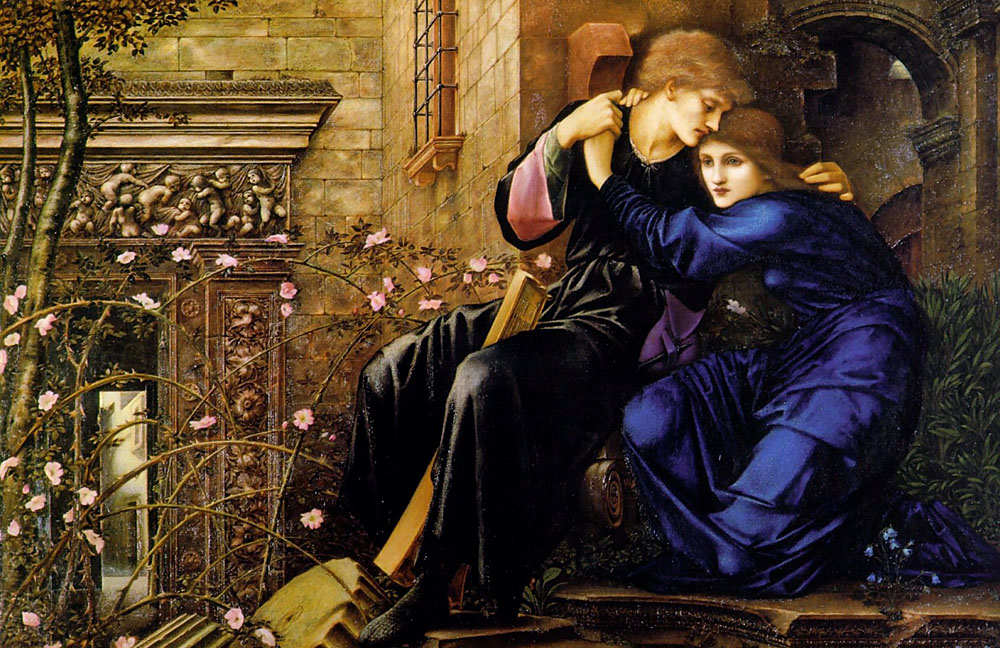
Love Among the Ruins, Edward Burne-Jones (Source)

I have a very exciting if somewhat tardy announcement. I have some poetry being published in Volume II of Jesus the Imagination, the hot new Sophiological journal by Angelico Press. There’s plenty of other really good material in the journal, too, including work by friends of mine. Plus an interview with the Revolutionary Army of the Infant Jesus! What’s not to love? As far as I’m aware I’m making no money whatsoever off this venture, but I still encourage you to buy a copy (or two, or three) if you want to read my contributions…or just the far more brilliant materials you’ll find there, too.  Either way, I can promise you that Jesus the Imagination won’t disappoint!

225px-Charles_Williams

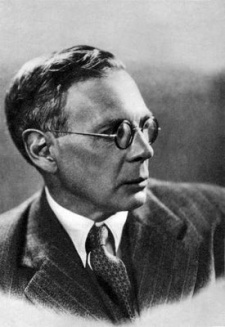
A portrait of Charles Williams: poet, critic, lecturer, editor, author, sorcerer, mystic (Source)

The theme for this volume is Marriage. As I’m sure many of you know, marriage is an extraordinarily deep mystery in the heart of the Church’s sacramental life, mystical being, quotidien experience, and esoteric practice. To celebrate, I am reproducing here a poem by Charles Williams that scratches the surface of Matrimony’s essence. Williams, a friend of T.S. Eliot and fellow-Inkling to C.S. Lewis and J.R.R. Tolkien, was a profound mystical thinker who kept returning to nuptial themes over the course of his career. The poem below comes from his first poetry collection, The Silver Stair (1912), a slim book I recently examined in the Bodleian. Enjoy.

Of Marriage and of its Priesthood

Charles Williams

Here shall no pagan foot nor claw of beast
Enter; nor wizard sorcery be seen.
But sometime here have all true lovers been,
Nor hath the tale of outland riders ceased.
With hands of consecration now the priest
Exalts the holy sacrament between
The altar lights. Now, if your souls be clean,
Draw near: Himself Love gives you in His feast.

Whose voice in solemn ritual lifted up
Praises the Name of Love? Whose hands have blest
For you, His votaries, the mysterious Cup,
And set before you the ordained Food?
Voice of Himself, to narrow vows professed,
And hands of His adorable maidenhood.

“God is Gone Up With a Merry Noise”

AscensionLetter.jpg

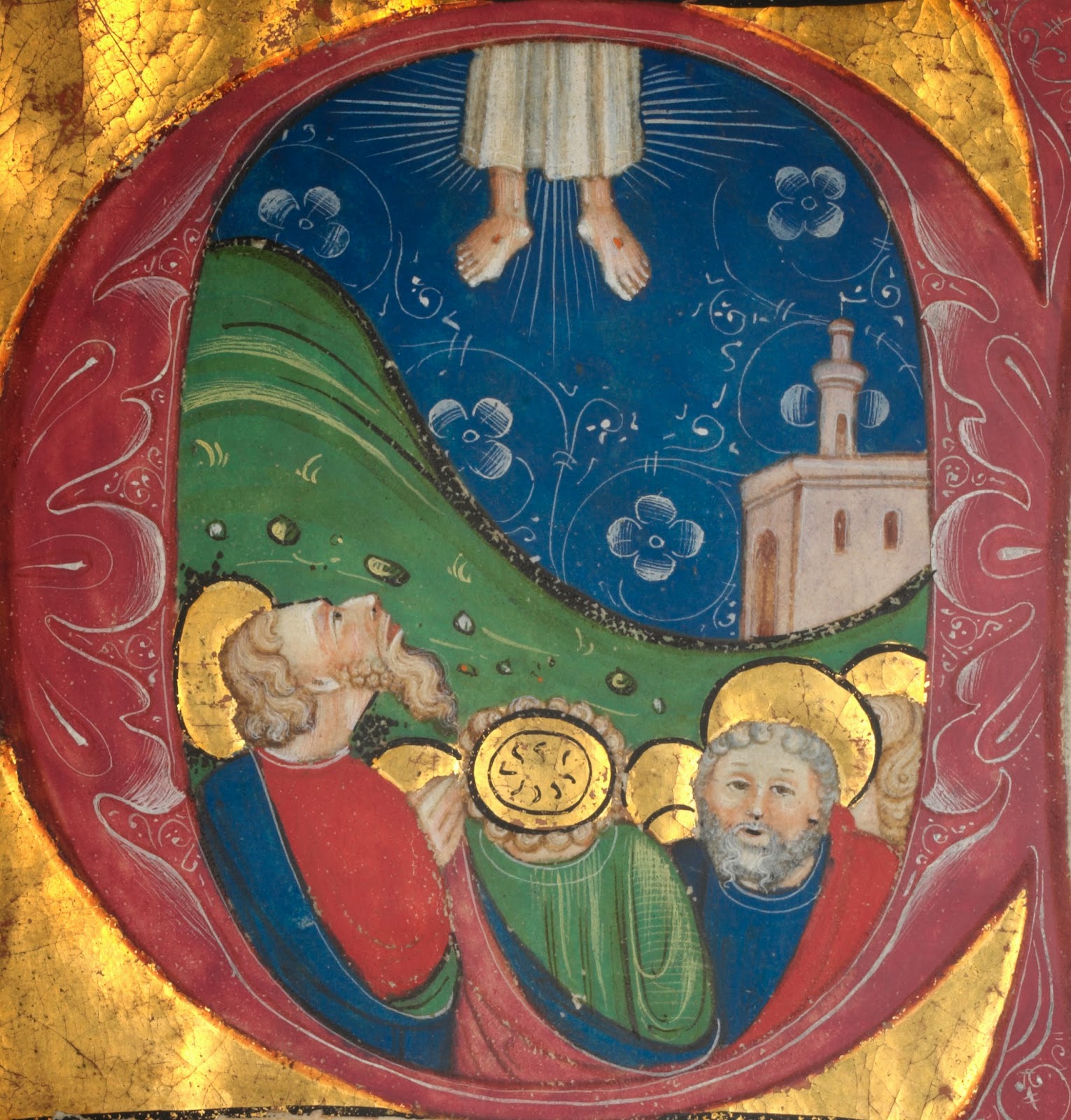
Ascendit Deus in iubilatione, alleluia (Source)

God is Gone Up With a Merry Noise

Rick Yoder

Rear a hill in my heart, O God,
from which Thou might ascend.
But o! How swift I overshoot
and rush on to the end.
For first Thou must come hallow it
with that most kingly flood,
the pearls surpassing every price,
Thine own most precious blood.
And though I wander far, O Lord,
from Thy most holy fount,
yet never shall I lose the sight
of Thine eternal mount.
The shadows of the day grow long
and silence takes the land;
still do I hope in Thy sweet song
and Thy high priestly hand.
“The Lord ascends with gladsome noise
and hath taken the better part.”
So runs the word, so I rejoice,
for He rises there in my heart.

A Prayer of Union with the Will of God

Crucifixion from the Isenheim Altarpiece, detail of Christ's right hand, c.1512-16 (oil on panel)

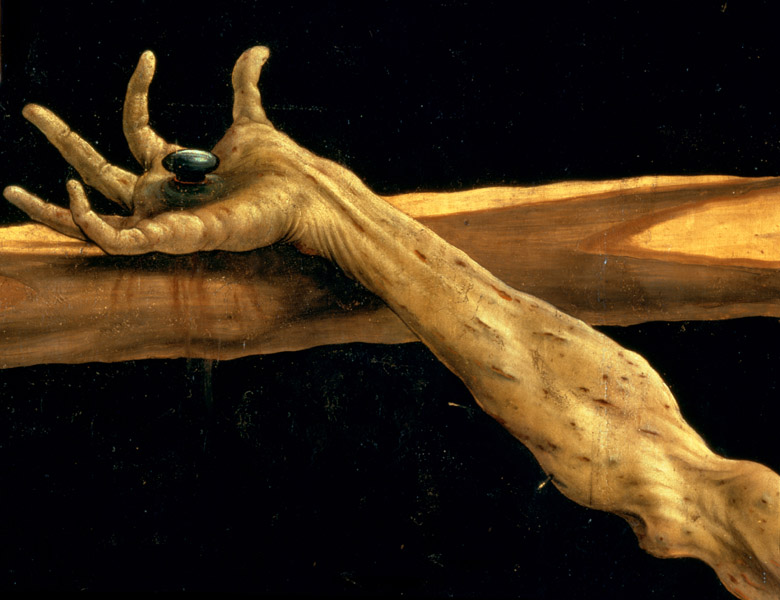
From the Isenheim Altarpiece of Matthias Grünewald. (Source)

Let me be Thy glove, O Lord,
that, acting not but by Thy hand,
I may be kept from the ways and works of evil.
Gather up all my five senses
unto Thee
as so many Providential fingers.
Let my heart be pierced with the wound
of Thy priestly palm.
So bound to Thee, I will fear not
for my salvation and everlasting bliss.
Through Our Lord Jesus Christ.

Amen.

Pious Youths Looking Terribly, Terribly Wan

GerardMajellaFloating
No please, don’t get up.
I can levitate all by myself.
I’m sure you must see lots of levitating clergymen.
It’s no big deal.
Yes, I know it’s not even a foot up, but still.
Just play your flute or whatever.
Go on, keep doing what you were doing.
Just gonna levitate for my own sake.
Sure is high up here.
All seven inches.

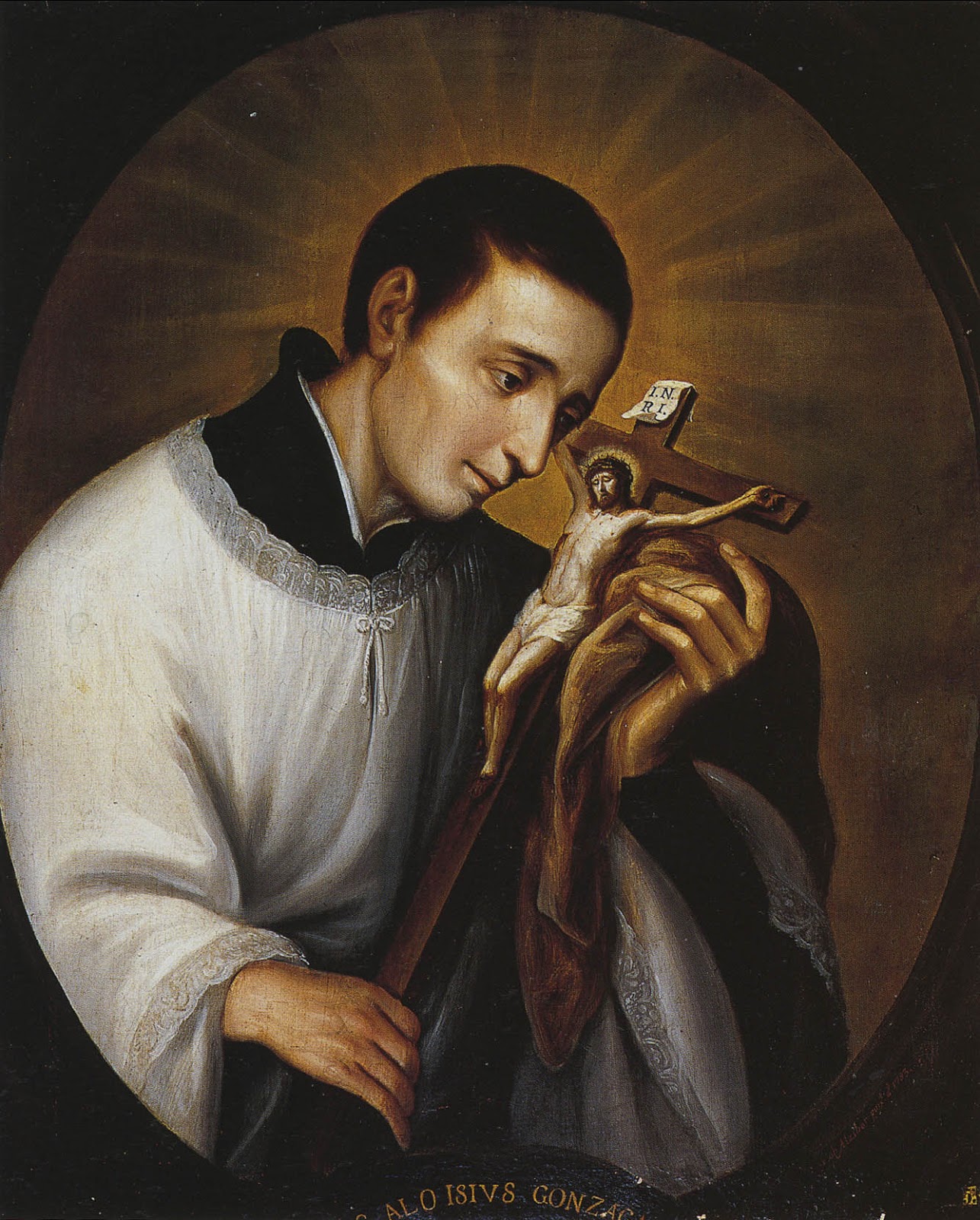
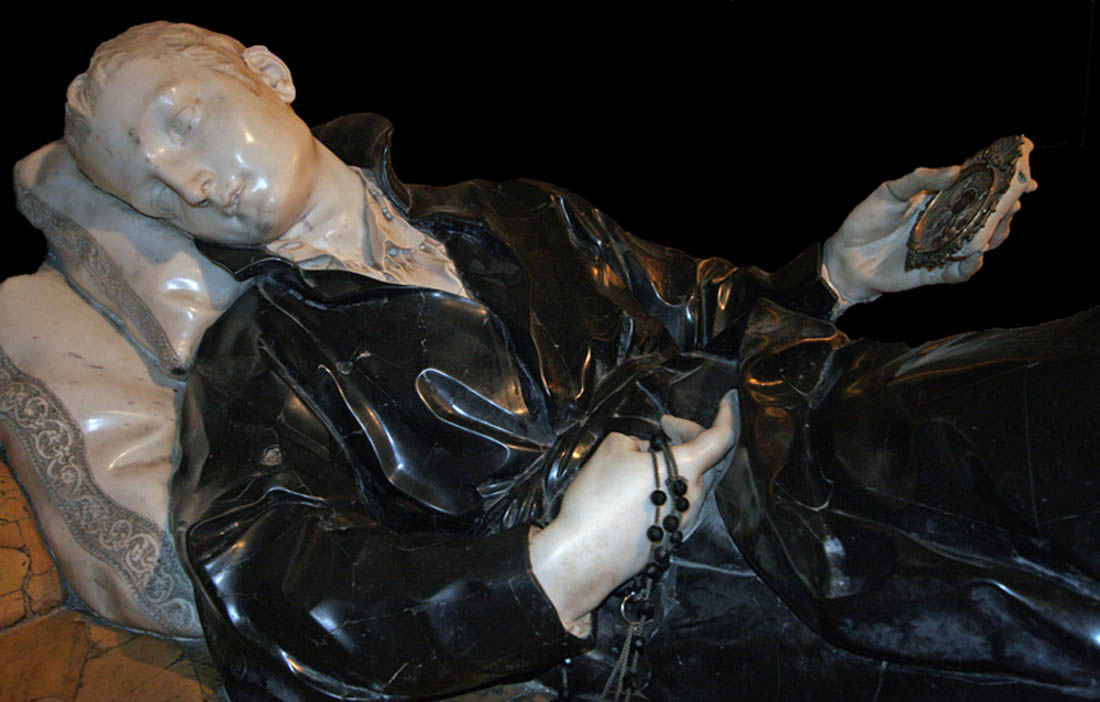
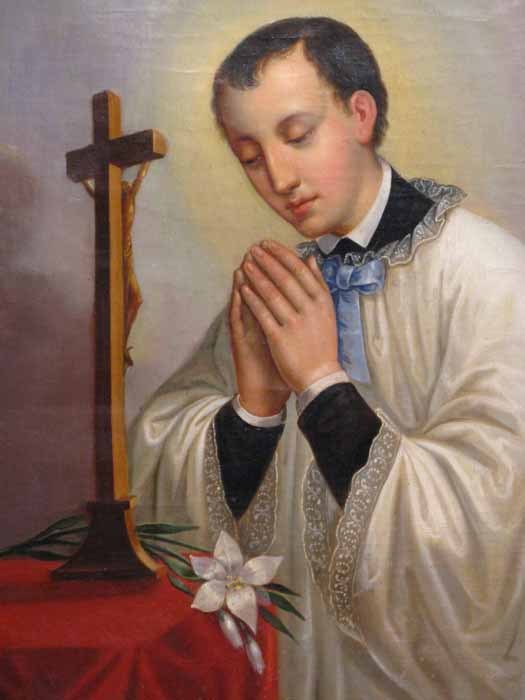
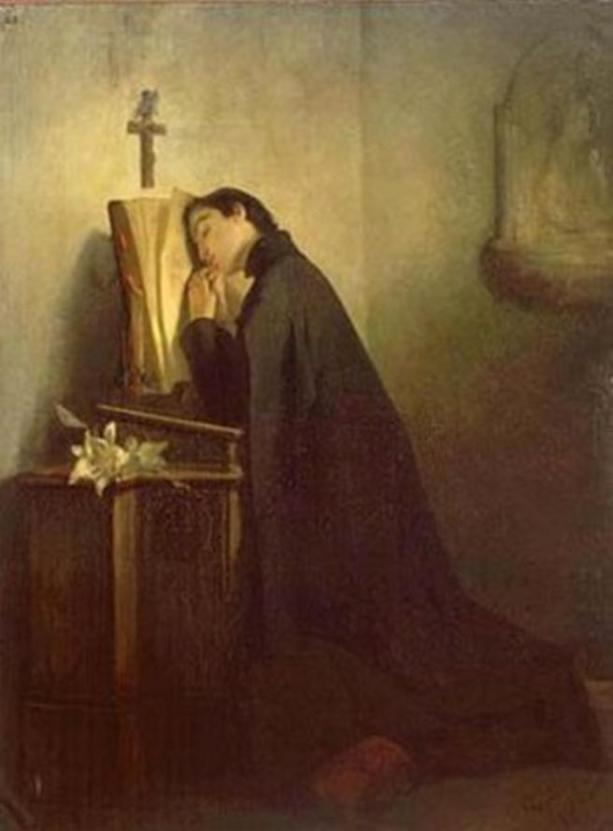
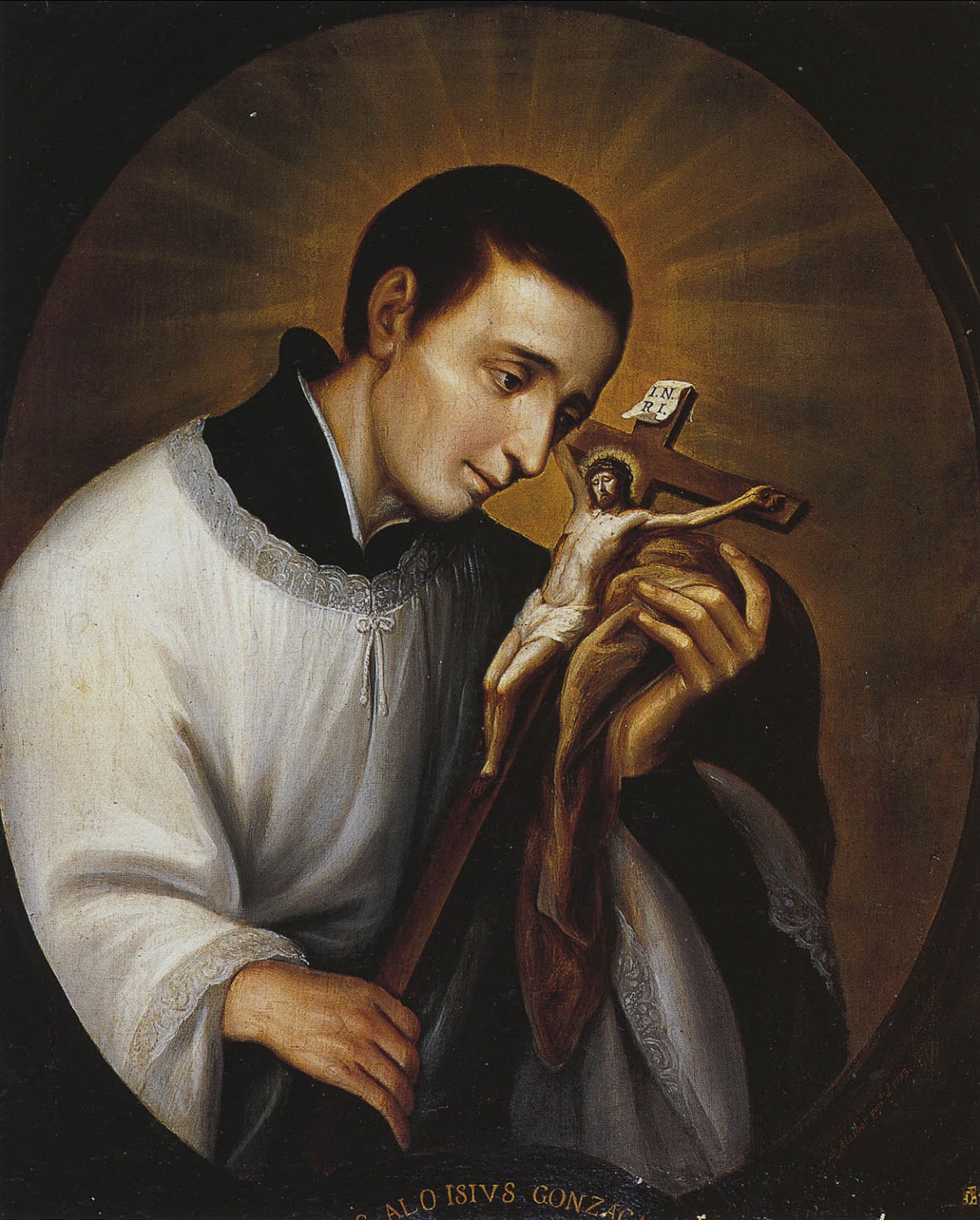
St_Aloysius_Gonzaga_June_21stOh, how I hope never to see the Sun.
saint-aloysius-gonzaga-00
To be honest, the best thing about the novitiate is all the restrictions.
It must be unpleasant to have to do all sorts of things that other people do.
Like eating, or going outside, or breathing more than thrice an hour.

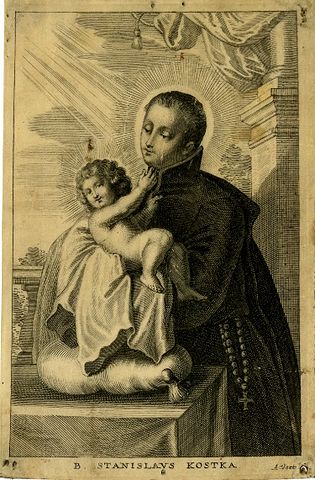
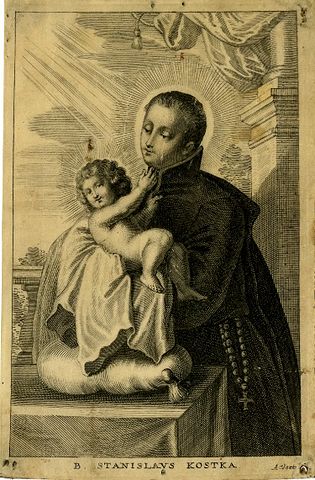
StanislausKostka1
Well it has been great holding you.
Really just a once-in-a-lifetime experience.
Truly.
Sure am gonna have to tell my friends about this.
Anyway, you are…uh, kinda heavy.
So uh, I think I’m gonna maybe put you downo, get your hand away from me…
OKAY THEN well I guess we’re just gonna stay like this a little longer.

LeGrosStanislausKostka 2 web
Oh sorry, you caught me at a bad time. I was just dying clear away.

GonzagaBlueBow
I can never pray without my little blue bow.

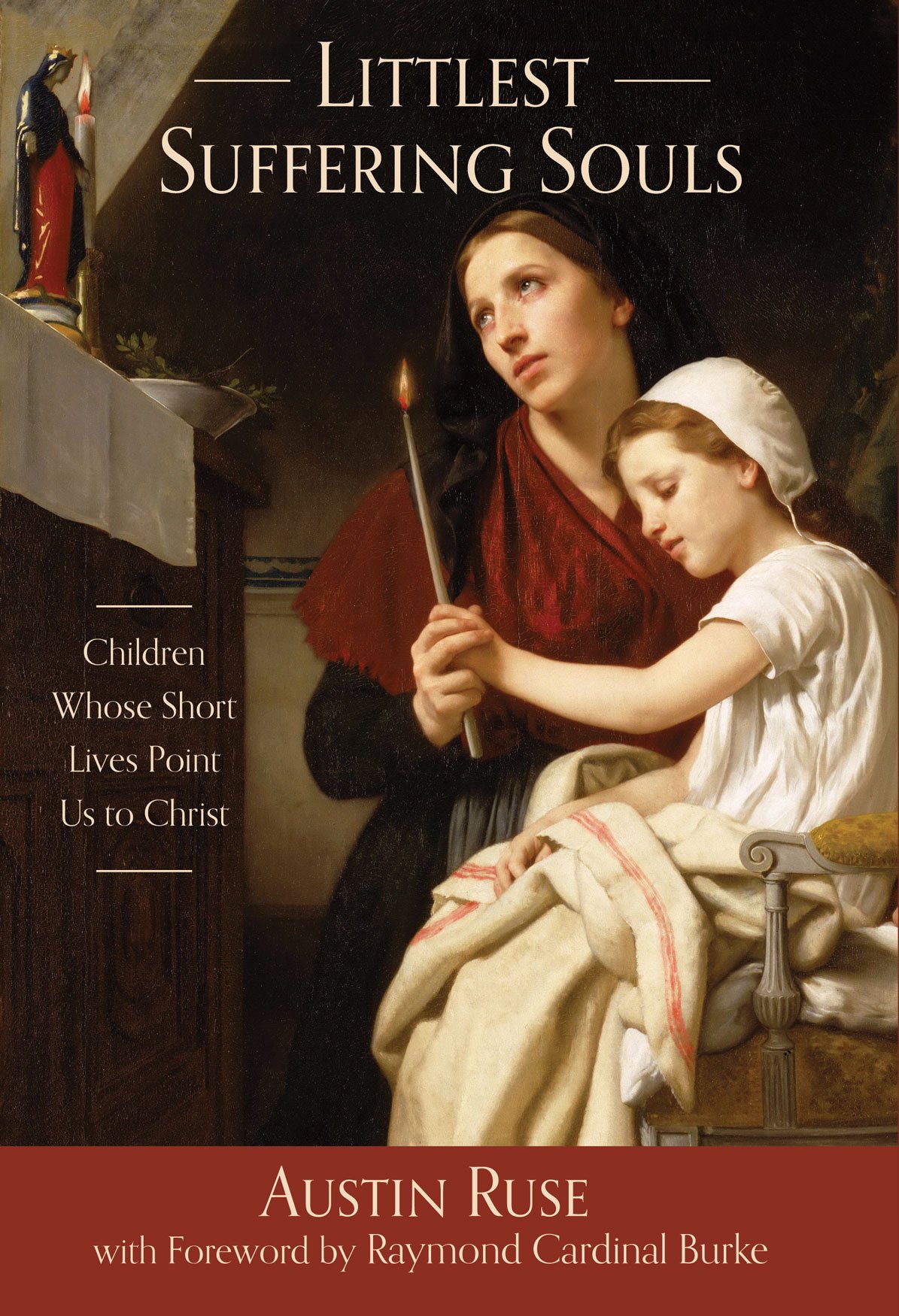
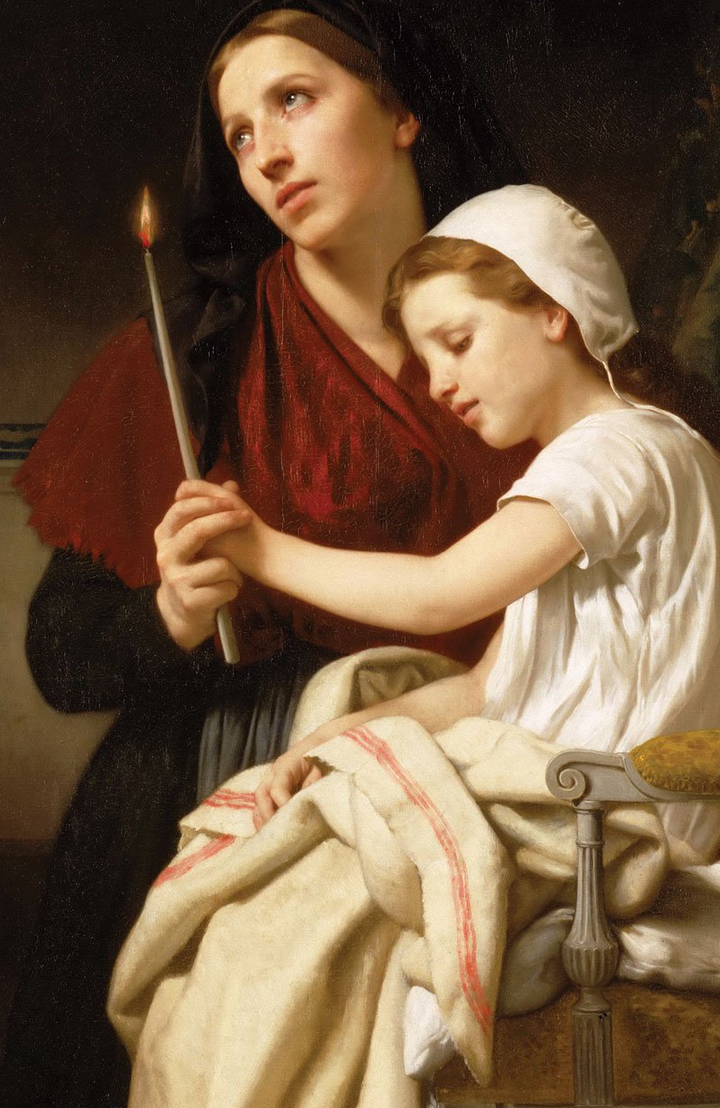
Screen Shot 2017-09-30 at 10.34.19 PMYou must pray, Iphigenia, you must pray harder.
But Mother, we’ve been doing it for six hours.
If you do not pray, Iphigenia, you can never be well.
We don’t have any more candles left.
Iphigenia, how shall you feel when you are dead and gone far from your own home and all its earthly lights and all who love you?
I only had a small cough
Shhhh, Iphigenia, shhhhh…

berchmans-e1467917574733
Yes, I said “Come down here at once.”
I’ve even got a little space for you to sit here.
Yes, I know there are bones on it.
Well you’ll just have to move them.
It’s not hard. Really.

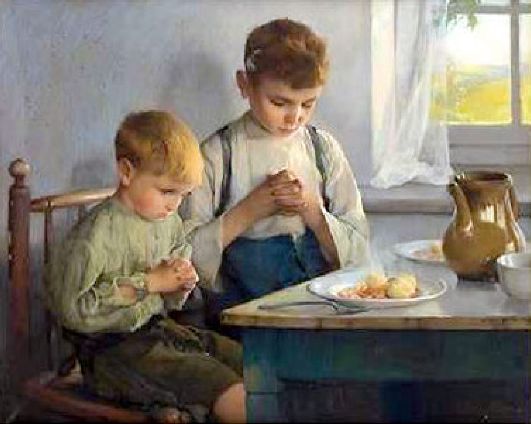
brotherspraying
How long are we gonna keep saying grace, Jimmy?
Probably a while.
Why?
Because I’m using the Roman Canon.

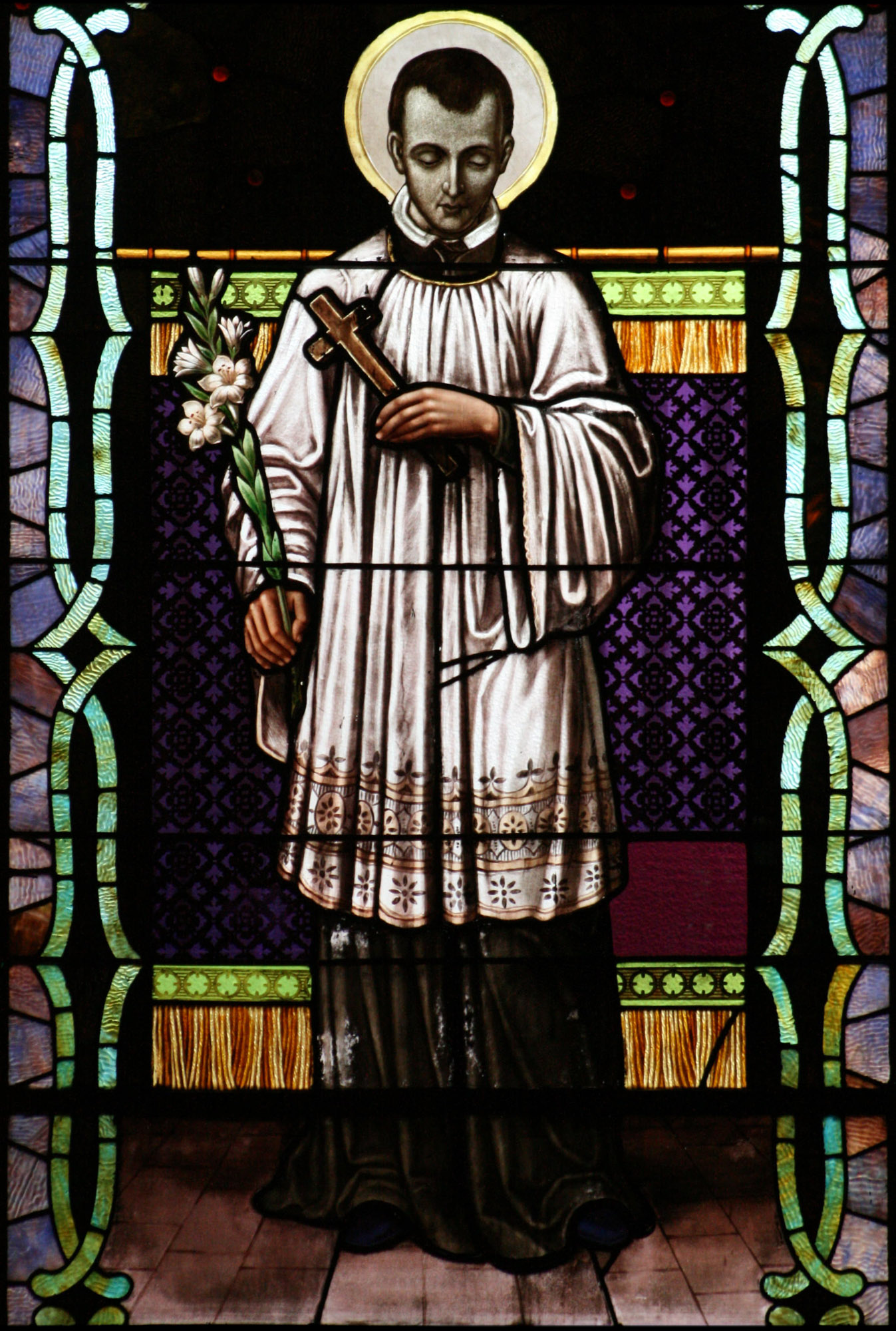
AloysiusGonzagaStainedGlassI love how this new makeup makes my face match my surplice.

ChildrenPraying
And please bless mommy and daddy.
And please let us eat lots of desert.
And please crush the Modernist heresy in all its damnable ways.

BerchmansWallpaper
This wallpaper.
I hate. every. inch. of it.

SJB-shrine.jpg
John…there’s, there’s a light all about you.
Well I certainly am the most glittering ornament in the room.

DogPrayer
I’m sorry, Cecil, but the Church does teach that you have no immortal soul.

WingsAngel
Yes, they are rather nice wings, thank you.
Unfortunately I can’t move them at all.
But they look great.

StGabrielSorrows.jg
I’m aghast.
I had no idea such a thing could happen to me.
I feel personally victimized.
I walk into the room and what do I see?
This painting.
It’s…it’s…so…philistine!

AloysiusBook
What? You don’t pray to your poetry books?

PorcelainAloysius
Deathly pale is the new black.

BremenChildPraying
Little Peter enjoys his prayers.
He smiles as he prays.
He smiles because he thinks about how, at the Judgment Day, the Lord will cast down the heretics, the wicked, and the reprobate into the everlasting flames of Hell forever, where the demons shall rend the very flesh of their bones and devour them.
Little Peter enjoys his prayers.

(Images from here, here, here, here, here, here, here, here, here, here, here, here, here, here, here, here, and here)

Poem/Song: “On the Strange and Lamentable Tale of the Witches of Saluda”

Bonham_House_1

The Bonham House, Saluda, SC (Source).

It’s been a while since I posted any original wordcraft, so here’s a poem I wrote recently. The last part is a song. I wanted to hearken to the Scotch-Irish traditions of the poor folks who settled the Carolinas. You can hear me sing it on the embedded audio I have included.

On the Strange and Lamentable Tale of the Witches of Saluda

I. The Town

I saw them dancing at the old waterworks
with torchlight in their eyes, huge
gates to unseen countries
of the damned and dying.
Off in the woods, the fog
snaked through like a hungry hound bent
low over the scent
of some lesser beast.
The pines keep our secrets from us,
so we can forget.
Didn’t you know that even the
goats and horses have eyes, ears,
loose lips muttering imprecations
under their breath? Never
look over your shoulder
at a crossroads. Men have died,
petrified, for less.
Or else they shoot into space
and freeze in the rictus of their fathers,
grinning madly at the dead sun
below. I have drawn
salt from the shadow of your footsteps,
I have planted rows of teeth in my head.
What dragons will come
when I bring a scythe
to the harvest?

II. The Purlieu

You hardly know how dark
the young pine woods can be.
Not a patch of tall trees, mind you,
but ones that stand
just about twice your size.
Still plenty of silent life ahead of them.
You can see them at the edge of evening,
surrounding a field surrounding
a low crop of tombstones
all asunder and blurred
by the rain’s improvident hand.
The trees wait there, wordless,
dusk-bleached, lined up like so many
carious teeth. But they are not
what draws my eye
the fathomless
dark that spreads behind
like a growling and
hungry gullet.

III. The Back Yard

It will not go away.

Momma said to come to the table,
no use passing your life
by the back window
daydreaming.

But I could see it pacing the lawn as I ate.

Huge, black,
unblinking, white
of tooth.
I don’t think it ever sleeps.
The heat of the noonday and the
shadow that flies by night
do not afflict it
the stones in its shoes
and the rancid water it sips
out of our traschan lids
do not injure it—
the play of the neighbors
and the tumult of the street
do not distract it.
I have not yet seen it blink.
I have not yet seen it turn its gaze
from the house.
It watches.
I don’t think it ever sleeps.

Momma says
daddy woudn’t have tolerated
any such foolishness.
I don’t know.

It makes not a sound.
I think it knows what we talk about
in the house.
I think it knows when we rise and fall
to our prayers.
I think it listens to what we confess,
to our fights, to the whisper of the rain.

I don’t want to go out there.
I don’t want it to get it.
I don’t think it ever sleeps.

IV. Found in a Buried Notebook, Written in Red Ink

Don’t turn your back to the trees
or walk up the weed-cracked pavement
beneath the sign that reads
CAR  ASH CO N LAUNDRY
and don’t keep the pottery you dig up
in your garden
bonewhite under the red
clay and grey sand. Don’t
venture to the edge of the field that
smells like salt
and don’t keep your teeth in a shoebox
(it might become a skull)
and don’t knock on walls
where there should be a door
or take down the portraits
of the nameless.
Don’t ponder what might have
broken the sign from the fencepost
or written its replacement
in an unknown script.
Don’t let your children go to the post office alone.
Don’t let your daughter play with the dolls
she doesn’t remember receiving.

V. The Song of the Lost Daughters


The young girls singing thread silk in their hair
Io Hymen Hymenaee
Io Hymen Hymenaee
Discarding the rest of the clothes that they wear
Io Hymen Hymenaee
Io Hymen Hymenaee

They join with the voices of the torchbearing throng
Io Hymen Hymenaee
Io Hymen Hymenaee
And soon they forget every other sweet song
Io Hymen Hymenaee
Io Hymen Hymenaee

Songs that illumine the queer, darkened lands
Io Hymen Hymenaee
Io Hymen Hymenaee
Like the water you pour over bloody hands
Io Hymen Hymenaee
Io Hymen Hymenaee

Her lace crown covers her eyes as they lead
Io Hymen Hymenaee
Io Hymen Hymenaee
Her into a thicket that smells of ripe seed
Io Hymen Hymenaee
Io Hymen Hymenaee

To hide from the angels that watch in the trees
Io Hymen Hymenaee
Io Hymen Hymenaee
And teach her the sacred rites of the bees
Io Hymen Hymenaee
Io Hymen Hymenaee

“An will ye cam back to yer mother so fine?”
Io Hymen Hymenaee
Io Hymen Hymenaee
“Ah will ye return to me, daughter of mine?”
Io Hymen Hymenaee
Io Hymen Hymenaee

“Ah mother, dear mother, I can’t come at all”
Io Hymen Hymenaee
Io Hymen Hymenaee
“Until I’ve repeated our first mother’s fall”
Io Hymen Hymenaee
Io Hymen Hymenaee

“The Sabbath is waiting, the dance oh so dear”
Io Hymen Hymenaee
Io Hymen Hymenaee
“To teach us the meaning behind every fear”
Io Hymen Hymenaee
Io Hymen Hymenaee

They never did see her again in the day
Io Hymen Hymenaee
Io Hymen Hymenaee
But once on a new moon, as old people say
Io Hymen Hymenaee
Io Hymen Hymenaee

Seven years waiting and seven years won
Io Hymen Hymenaee
Io Hymen Hymenaee
Seven years burning, but far from the Sun
Io Hymen Hymenaee
Io Hymen Hymenaee

Beware, all me daughters, what hides in the air
Io Hymen Hymenaee
Io Hymen Hymenaee
And never thread silks so fine in your hair
Io Hymen Hymenaee
Io Hymen Hymenaee