In my time at the University of Virginia, I’m grateful to have received an unofficial aesthetic education parallel to (and sometimes part of) what I was learning in class. As part of a series of somewhat nostalgic posts, I’d like to revisit some of these and perhaps leave you with a few recommendations.
Some of this will be review. A great deal will be personal narrative. “Important” here is not an absolute quality, but rather a relative one. These films have been the most important to me over my four years. Moreover, there will be occasional spoilers—though, as with No. 5 and No. 4 on my list, I don’t spoil very much.
Keeping those disclaimers in mind, let’s begin.
15. What We Do in the Shadows
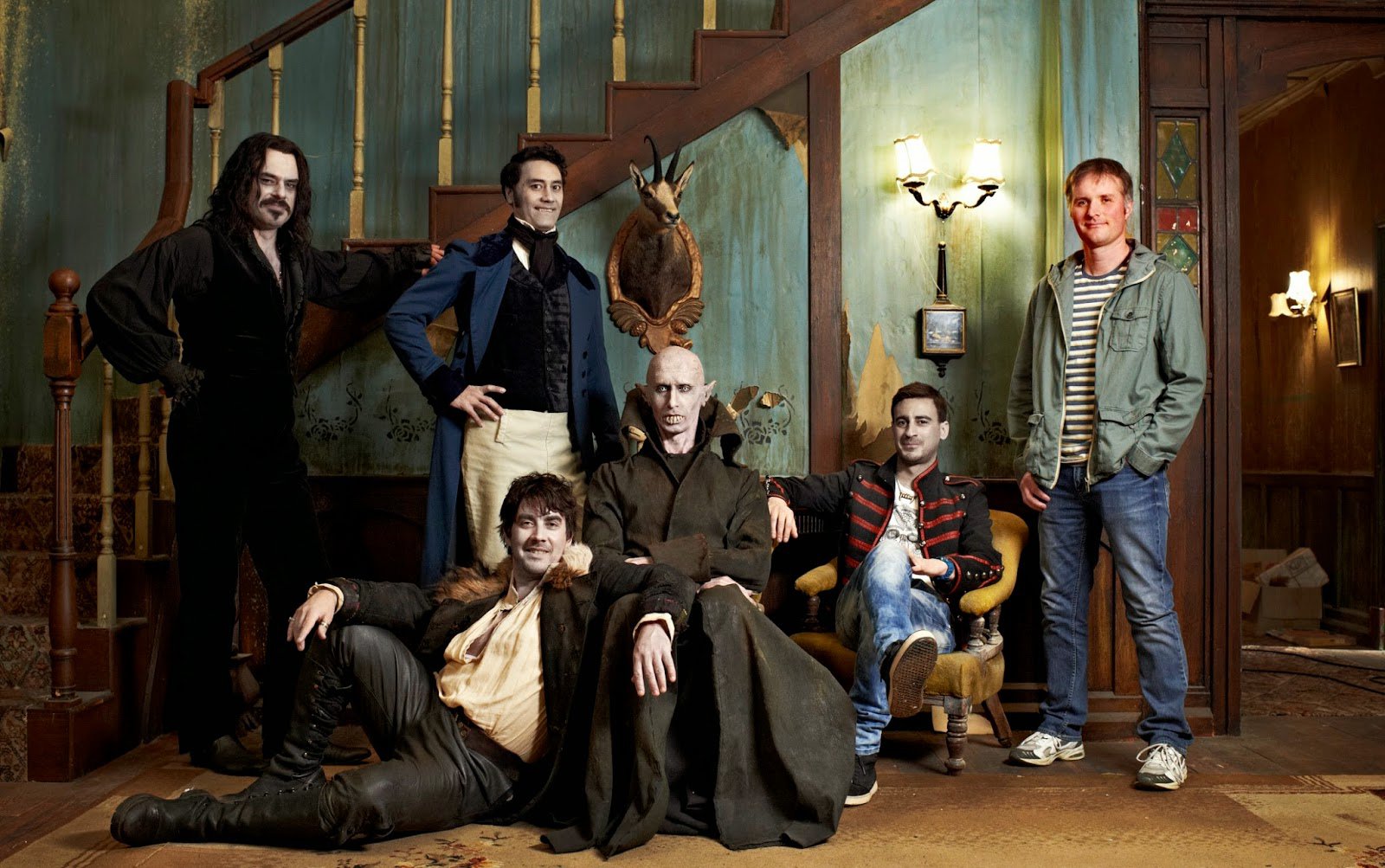
I watched this New Zealand horror comedy with a friend (whom I will call here and throughout by the name “Sherman Pine”). And I’m glad I did. What We Do in the Shadows is one of the best depictions of male friendship I have ever seen. Not only is the film by turns hilarious and macabre, it also manages to evoke the unique social pressures facing (post)modern man. It deals with issues of difference, acceptance, competition, and more.
And for anyone with a taste for blood – or at the very least, a good vampire story – the number of playfully subverted classic genre tropes in the film will certainly please.
WWDITS was also my introduction to Taika Waititi, whom some of you may recognize as the director of the upcoming Thor: Ragnarok.
14. Doctor Strange
Before I came to UVA, I wasn’t a fan of the Marvel universe. While I wasn’t exactly a DC partisan, I never paid much attention to the Avengers. I disliked the only Iron Man movie I had seen, and I had never bothered to watch any of the Thor or Captain America films.
But then came Guardians of the Galaxy, The Avengers: Age of Ultron, and Captain America: Civil War. Those three films and the conversations with friends that they engendered drastically changed my perspective on Marvel.
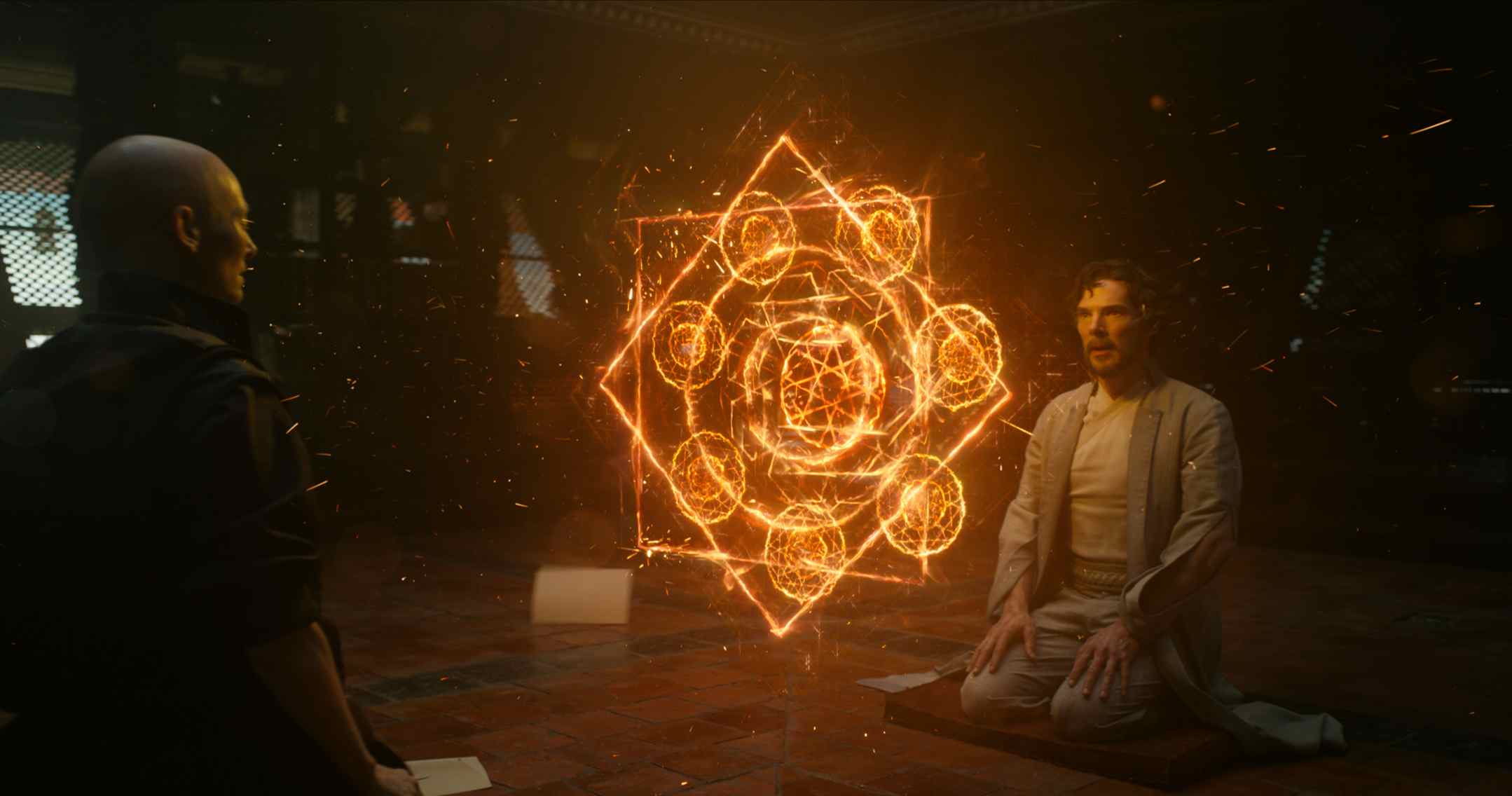
None of those, however, reached the artistic or philosophical heights of Doctor Strange. The beautifully kaleidoscopic special effects never drown out the excellent performances by Benedict Cumberbatch, Tilda Swinton, Mads Mikkelsen, and Chiwetel Ejiofor. And the plot contains a number of religious themes. It’s one of the few superhero movies I’ve seen that embraces a quasi-Christian worldview (the climax involves a kind of harrowing of hell).
In short, I guess I can now say that I’m a fan of the Marvel universe. Doctor Strange is just the best reason why.
13. Silence
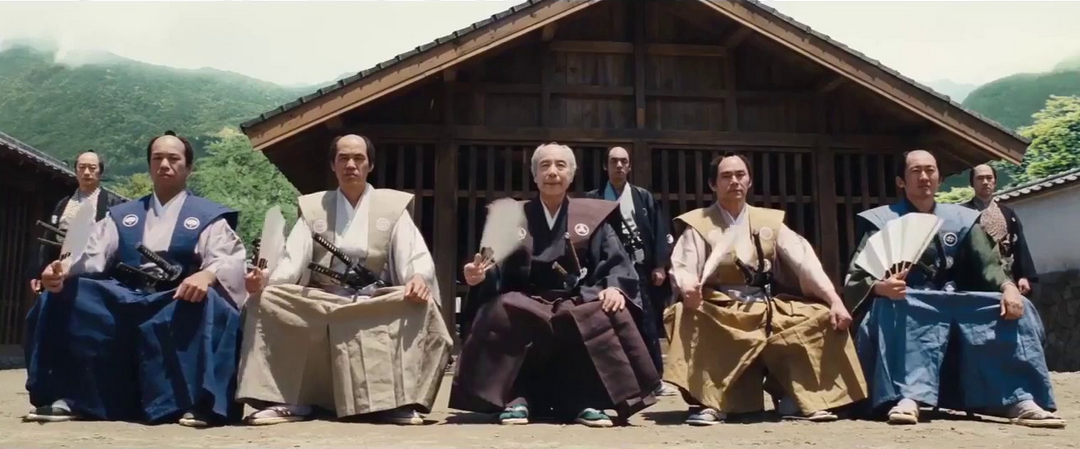
Wrenching, problematic, and beautiful, Silence is the only Martin Scorsese film on this list. I saw it with friends from one of my oratorical societies. We all went in with different perspectives, and came out with different reactions. Mostly, I just felt numb. I couldn’t find any words at all, but like Job, felt it necessary to “lay mine hand upon my mouth” in awe (Job 40:4 KJV).
I could probably write at length about the various theological issues, cultural questions, and cinematic gems that the film poses. I won’t. I’ll merely say that, while I found it emotionally crushing, I appreciate that art doesn’t abide by the rules we try to set it. Good Christian art – even Sophianic art – never loses sight of the essential brokenness of our fallen world. If anything, perhaps the great take-away from Silence is something like the advice I was once given by a very holy priest: “Never despair of the mercy of God.”
I’ll add briefly that, as someone who wants to focus on early modern Catholicism, I found the film a helpful occasion to raise awareness about the history of Christian persecution in Japan. The reconstructed world of 17th century Japan is sumptuously simple. Every aesthetic note is perfectly put. It will almost certainly be remembered as Scorsese’s masterpiece.
12. Mulholland Drive
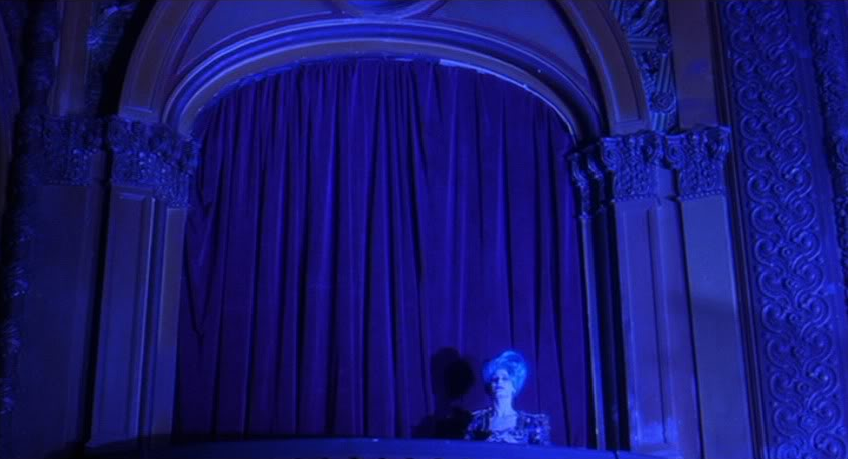
We move from Silence to “Silencio.”
Last Fall, I decided to watch Twin Peaks. That process entailed a general inquiry into the works of David Lynch, whom I had long admired. I told Sherman Pine, who shares my appreciation of Lynch, that I had yet to see the director’s famous neo-noir Mulholland Drive, and he was kind enough to watch it with me.
I still don’t understand this movie. I won’t pretend to. But boy, is it a ride.
I’ll add that Lynch really smartly contrasts different musical styles, which mirrors the doubling in the plot (but I won’t spoil those details). I know of no other director who is so committed to staged performance as a portrayal of themes. Particularly as they relate to the underlying tensions of sex and gender present in much of his work.
11. Days of Heaven
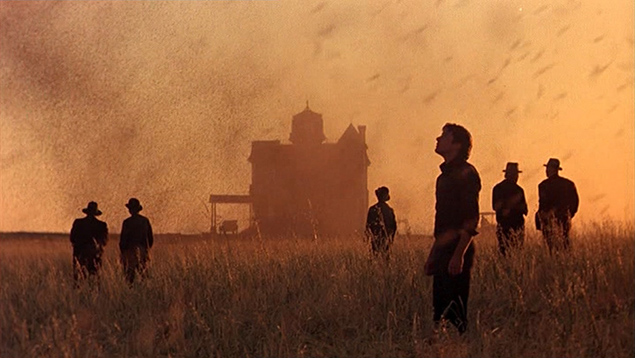
My first Terrence Malick movie, but not the only one on this list. Watching Days of Heaven was like stepping into an Edward Hopper or Andrew Wyeth painting. Like a few other films – say, August: Osage County or Nebraska – Days of Heaven stands as one of the quietly towering cinematic monuments of Midwestern life.
I also happened to watch the film with a friend (the aforementioned Sherman Pine) wile I was enrolled in an Anthropology class called “Language and Cinema,” which meant that I was particularly attuned to the way Malick crafts his story through sound. No other film that I know of uses such a wide range of realistic sounds so artfully. You can’t hear all the dialogue, and what you can hear, you can’t always understand. The voice-over narration is spoken by a child in the working-class accent of 1916 Chicago.
Of course, being a Malick film, the visuals are also gorgeous. A swarm of locusts is an inherently mythic phenomenon, but I think that only Malick could make them as beautiful as the sunlight they block and the fields they devour.
10. Do the Right Thing
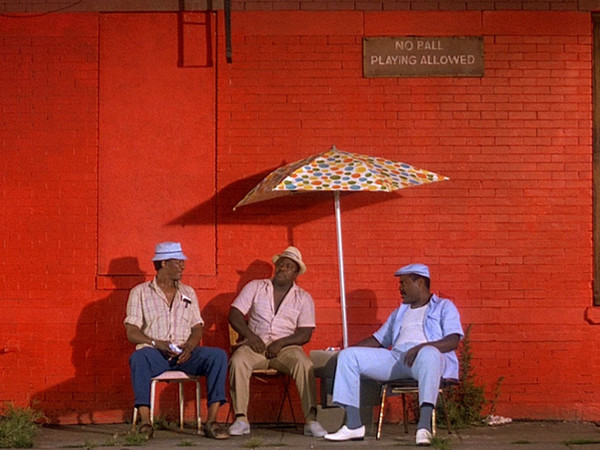
Because I was in that “Language and Cinema” class, I had the opportunity to watch several films I had never seen before. A few worth mentioning include Zoot Suit, the 1939 edition of Stagecoach, and Smoke Signals. Of all of the films we watched, one that really stood out to me as an exceptional piece of art was Spike Lee’s famous 1989 movie, Do the Right Thing.
The script offers a remarkable variety of linguistic turns that make it a rich field of social analysis. The film also impressed me as a bitingly relevant commentary on racism and policing. As someone with no prior awareness of the issues surrounding police brutality in 1980’s New York City, the movie made me want to learn more about a dark and overlooked chapter of our history. Given the recent spate of police brutality incidents over the last few years, it seems to me that more people should return to this film, a movie that carefully treads the line between the two social values on Radio Raheem’s fists: love and hate.
9. Becket
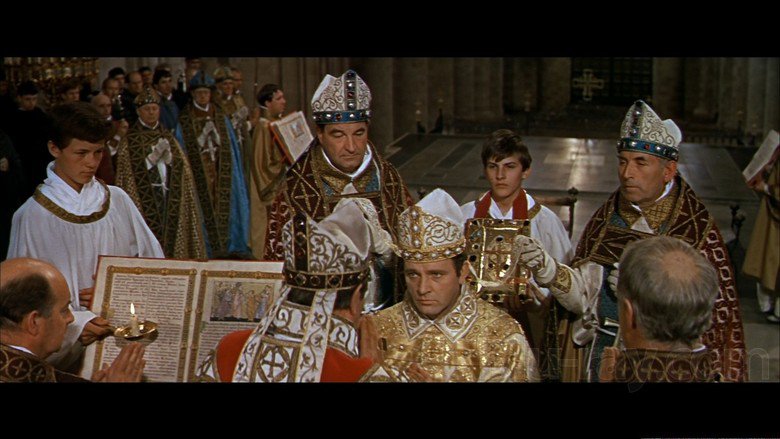
Becket is not the greatest Catholic film ever made, but it comes close. Gorgeously fabricated costumes, historically-conscious sets, a richly Romanesque liturgical sensibility, copious use of Gregorian Chant, and an excommunication scene that thrills the cockles of every cold Traditionalist heart—what’s there not to love?
Beyond these largely aesthetic factors, Becket has two unique strengths. First, the movie lacks any of the problematic theology or complicated nuances that has marked more artistically impressive Catholic films (such as Silence and Calvary). Of course, there’s nothing wrong with art engaging in these questions, but occasionally a more affirming film can be helpful. Becket, like A Man for All Seasons, manages to unite faithfulness to the Church’s teachings with genuine artistry. The titular bishop often defends “the Honor of God” against a rapacious monarch. And that brings us to the movie’s second great strength: its depiction of a friendship gone awry. This is a theme that isn’t treated as often as it should be in movies.
Of course, I may be mistaking my own reading of the film and its objective strengths. I first saw Becket when I was in a similar situation. A friend had quickly and completely become an enemy, and I could relate to St. Thomas’s exasperated struggle against a corrupt king.
And on top of that, it’s about St. Thomas Becket, who is one of the coolest British saints.
8. The Witch
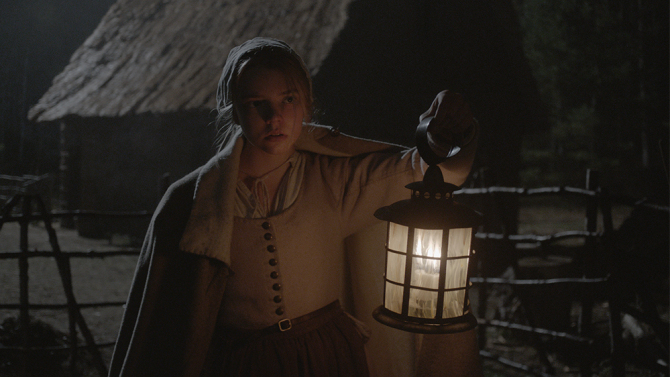
If you know me personally, you know that I adore The Witch (aka The VVitch). It may well be one of the finest horror movies ever made. It features all the tropes of early modern witch lore, a soundtrack that evokes the terrors of the Puritan frontier, and dialogue in 17th century dialect (my jam). Its understated visual style allows the actors’ performances to shine through. And the goat! The goat! Just look at it!
This film rekindled my interest in the tradition of horror in New England, which I’ve blogged about before in relation to Lovecraft. It was also the first horror movie I had ever seen in a cinema. The Witch also established A24 in my mind as one of the leaders of the new horror, a genre trend that I hope it continues with the upcoming It Comes at Night.
I consider The Witch to be the greatest Protestant film ever made. Yes, the Satanic Temple really liked it. Yes, A24 consciously hyped the film’s satanic themes as part of its publicity efforts. Fine. But the movie’s horror works by letting us into the world of Puritan New England, a world where the devil is real, witches kill babies, and the livestock aren’t always what they seem. And we are meant to sympathize with these people. They’re not the dupes of McCarthyesque hysteria. They’re the victims of supernatural evil.
I also read The Witch as a cinematic meditation on original sin in its Calvinist interpretation. Everything in the movie happens because of the father’s pride. He’s unwilling to repent and submit to the colonial community, and as a result, the whole family is expelled into the wilderness. The subsequent deterioration and damnation mirrors our own condition under Adam.
Also, if you like Goya’s Black Paintings, you’ll really like The Witch.
7. Herz aus Glas
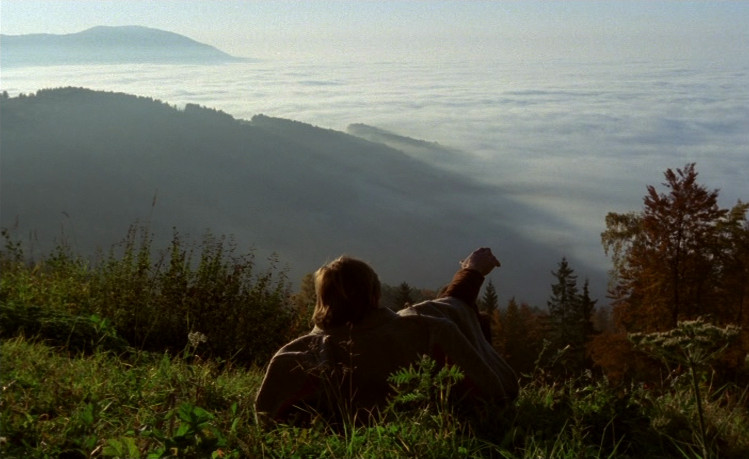
I saw Herz aus Glas (Heart of Glass) while on a Nietzsche kick in my second year. It messed with my head and made me want to read obscure Continental writers. I’ve always seen it as somehow quintessentially German. At the very least, Herz aus Glas introduced me to the remarkable oeuvre of Werner Herzog, who is my favorite European nihilist director. Not quite as grim as Béla Tarr, not quite as operatically depraved as Lars von Trier.
The film itself tells the story of a glass-producing village in Bavaria that descends into madness after the death of its chief glassblower. A highland prophet delivers cryptic messages throughout. The conclusion comes out of nowhere. At the end of the day, it’s probably a commentary on the German experience of capitalism and fascism, but who knows? Don’t question it.
6. Curse of the Golden Flower
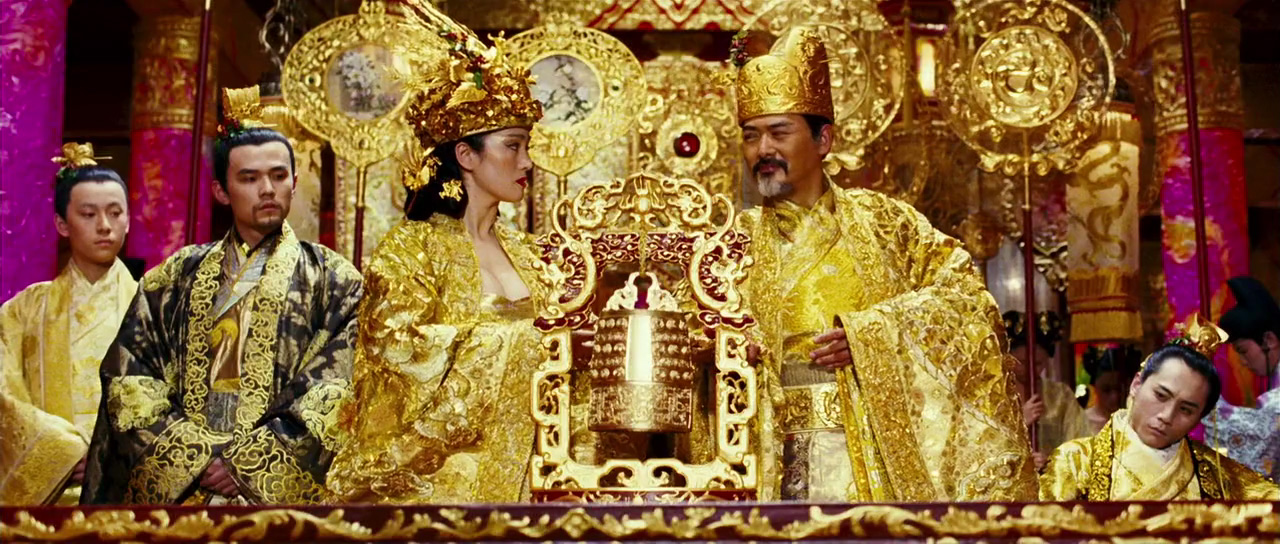
I first saw Curse of the Golden Flower with fourth-year friends when I was a lowly first-year. For me, it will always be a symbol of the similarly golden days between Spring finals and graduation.
The film struck me then as one of the most visually striking movies I had ever seen. The highly stylized recreation of Tang Dynasty China probably speaks to that part of me that also takes a guilty pleasure in the orientalist paintings of Gérôme and Delacroix. Each shot is saturated with a carefully chosen array of colors. The costumes and set design work together to fashion a stunning aesthetic experience. Think Beijing Olympics Opening Ceremony, but with more swords and cloth-of-gold.
Everyone to whom I have showed it since has agreed with my own assessment. The action thrills, and all the actors put in excellent performances. I’d also highly recommend Curse of the Golden Flower to fans of Game of Thrones. The palace intrigue that makes up the bulk of the plot resonates with much of what goes on in Westeros.
5. The Great Beauty
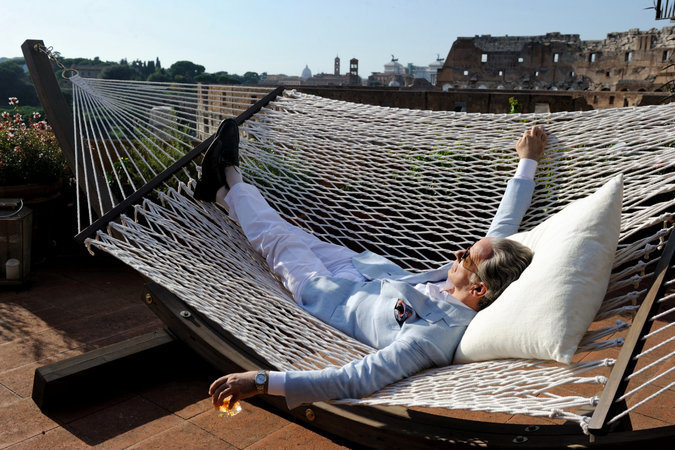
When I started composing this list, The Great Beauty was down several places. But the longer I’ve thought about it, the higher I’ve ranked this film by Paolo Sorrentino. Readers of this blog will know that I kinda have a thing for his recent HBO limited series, The Young Pope. That show prompted me to look at Sorrentino’s cinematic work. The Great Beauty was the first of his movies that I watched. I’ve had the chance to watch it twice, and I may go back for round three in the next few weeks.
The film depicts the life of Jep Gambardella, a fictional Italian author who moves through the boozy and hedonistic world of the Roman intelligentsia. We see his interactions with other writers, strippers, a floundering performance artist, the wreck of the Costa Concordia, and more. He searches for the titular “grande bellezza,” only to find it after encountering love, suffering, and simplicity.
There isn’t much plot, but there is a whole lot of character development. Ensconced in a party lifestyle, Jep can’t produce any more books; he feels stuck. When he receives word that his first love has died, he goes through a period of intense introspection. As he looks back upon his life, he realizes that he’s lost any meaningful sense of joy. He’s caught in a malaise of memory. Only the wise words of a Mother Theresa-like nun whom everyone refers to as “the Saint” unlocks his situation.
She asks, “Do you know why I only eat roots?” Jep replies that he doesn’t know. She turns back, and without even a smile, says to him, “Because roots are important.” The terse, spiritual one-liners of The Great Beauty are typical Sorrentino fare. Similar lines appear throughout The Young Pope.
I first saw the film in February. I’ve been ruminating on it ever since. It has stayed with me and fermented in my soul like few other films. I can’t help but relate to the protagonist—and not just because we share a similar sleep cycle. Jep Gambardella, played masterfully by Tony Servillo, strikes me as a character who could relate to the strange feelings of nostalgia and loss that I’ve had in the Spring of my fourth year. So much so, that along with the next two films, I consider it one of the triad of movies that has defined my final year at the University.
Also, the music in this film is totally gorgeous, and has given me a renewed appreciation of the Holy Minimalists. The soundtrack features both of the songs I described in a recent post on the Light of Tabor and Lent.
So go see it, because it really is too great a beauty to pass up.
4. The Mission
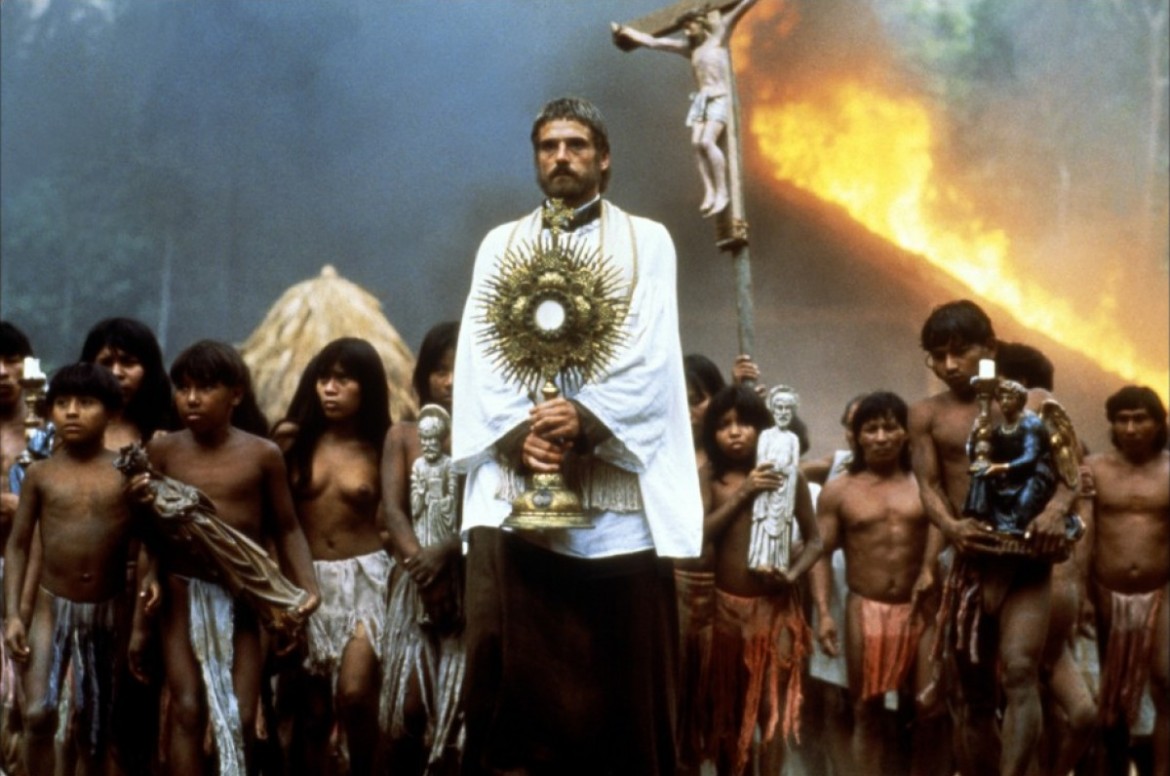
Although I had heard of The Mission years ago, I only became really determined to watch it as the result of a class I took last fall, “Reformation Europe.” I’m glad I did. It also had a profound impact on me. I don’t think I know of a Catholic film that more perfectly depicts the difficult realities of balancing missionary work and the demands of Christian peace. The tension between the Jesuits played by Robert de Niro and Jeremy Irons is only undone through the reconciliation implicit in the climactic scene. It is the Eucharist, and the Eucharist alone, which can effect true peace – especially in the face of martyrdom.
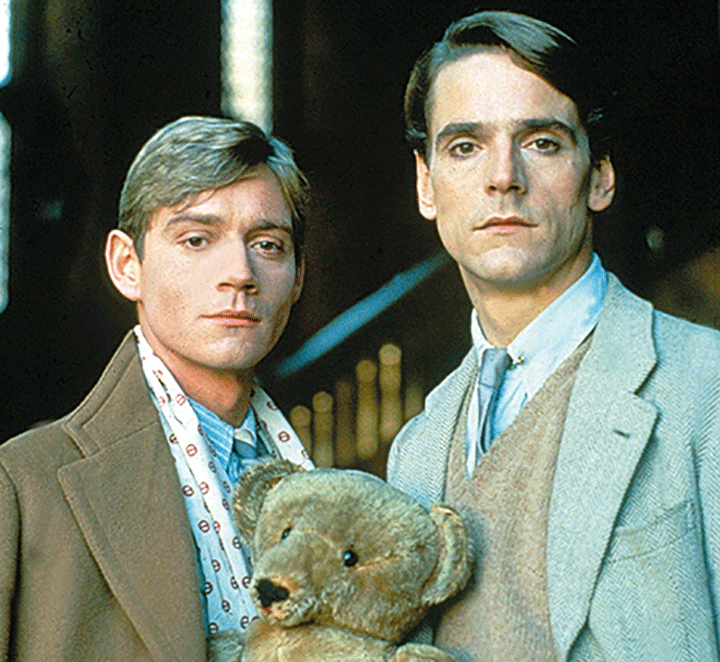
A few ancillary personal notes. First, as an aspiring early modernist, I found that the film disposed me to take a much deeper interest in colonial South America. It also made me take a much more serious look into Christian pacifism. The best art should do that. It captures the imagination and lead us on from the beautiful to the true or the good. Secondly, “Gabriel’s Oboe” is also, for my money, the most uplifting music from any of the films I have listed in this post. Finally, it confirmed Jeremy Irons in my mind as the Most Catholic Non-Catholic currently acting in Hollywood (see Brideshead Revisited, The Borgias).
3. The Tree of Life
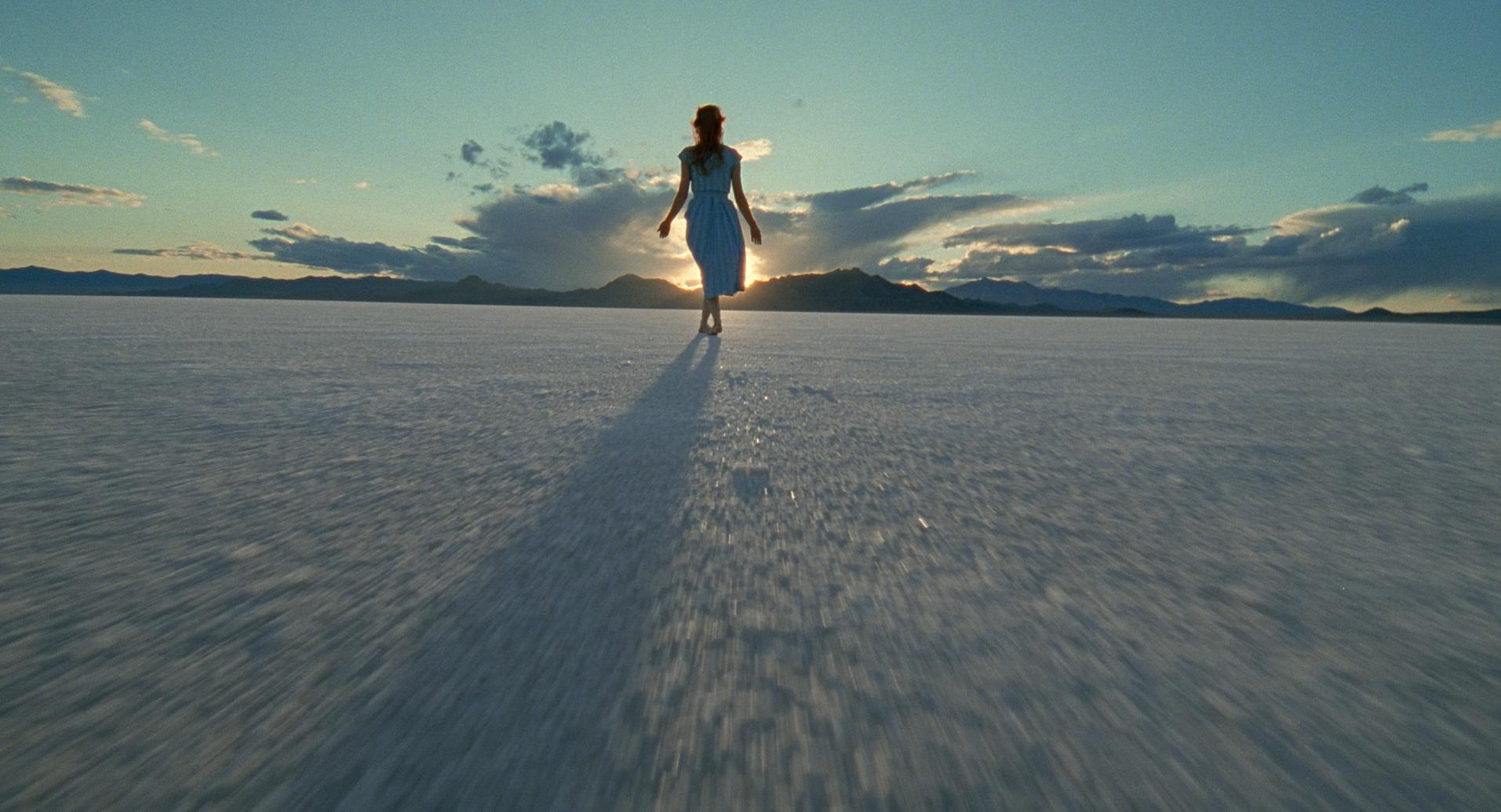
For years, friends told me that I had to watch The Tree of Life. That it was an incredible piece of art. That it could never be adequately described. That it might just induce a religious experience.
Having watched it recently, I concur. The film is too vast to try and capture in any depth here. I’ll simply say that it is the most sophianic piece of cinema I have ever seen, and that if I have any time in the future, I may try to analyze it from a sophiological perspective. But not without one more viewing.
2. Into Great Silence
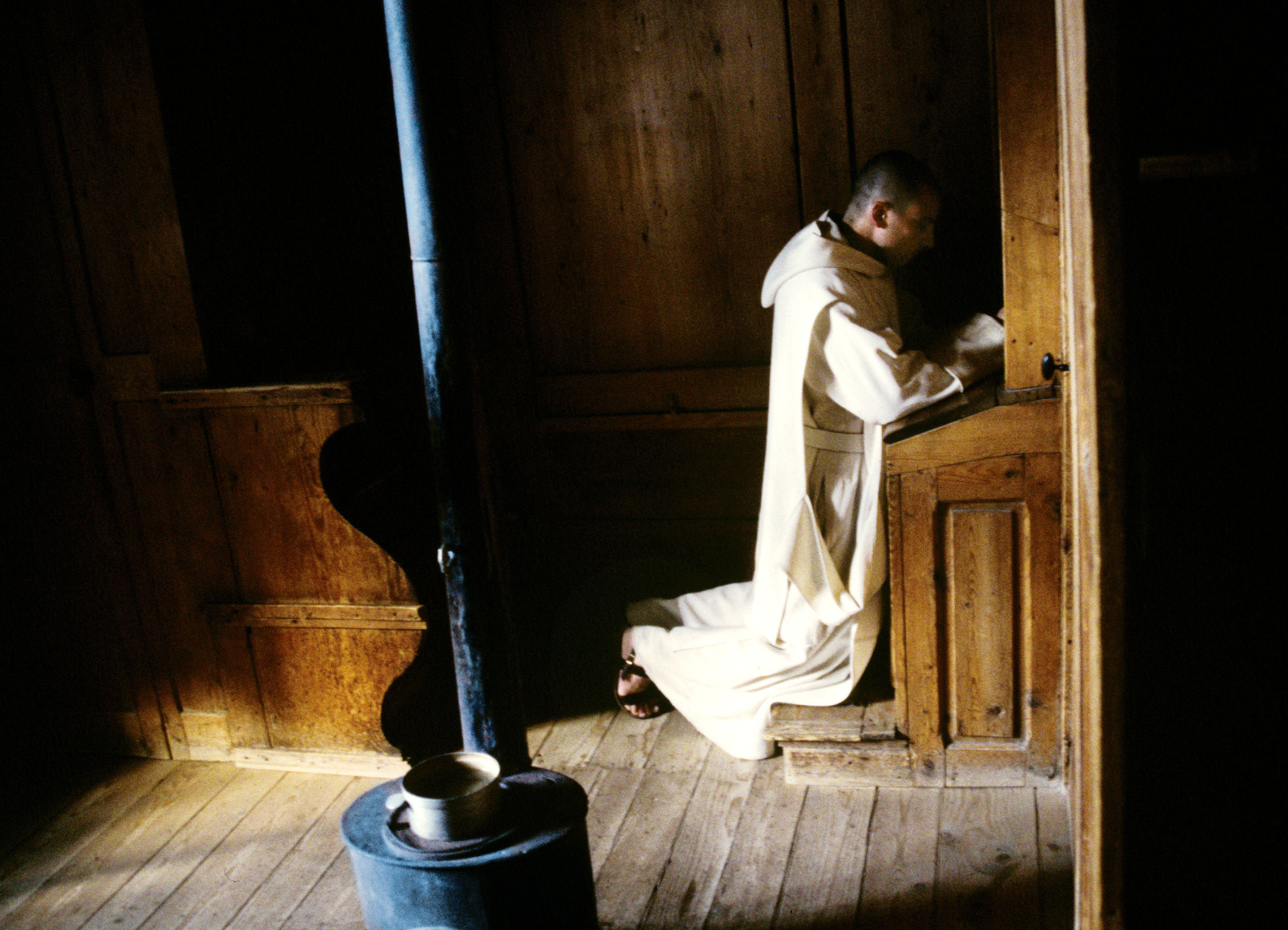
For a while, I made it a practice to watch Into Great Silence at least once per semester. I believe I first saw the film in the Fall of my First Year, and in that sense, it was my first real introduction to monastic spirituality. The simplicity and manifest holiness of the Carthusians in the movie captured my imagination. Their silence spoke to me.
Nothing happens. Insofar as there is a narrative—and I must emphasize, there really isn’t one—it’s the first year in the monastery of a newly-professed novice. But we don’t focus on him. Instead, we watch many of the monks as they go about life. We are brought into the rhythms of their own silence, the particular ways they fill it with prayer and work. When the monks do speak, they often drop deep little lines. The only interview in the documentary is conducted with an ancient, blind monk. At one point, he says,
The past, the present, these are human. In God there is no past. Solely the present prevails. And when God sees us, He always sees our entire life. And because He is an infinitely good being, He eternally seeks our well-being. Therefore there is no cause for worry in any of the things which happen to us.
These words are good theology, spoken by a saint, given for our practical sanctification. Or consider an even better, briefer quip spoken by a monk at recreation:
The symbols are not to be questioned—we are.
Words to live by.
If you are Catholic, the hauntingly beautiful scene that depicts the Carthusian night office will make you want to go to adoration at midnight. If you are not religious, the film will make you take the ascetic life more seriously. And if you are pondering the Catholic life, I can’t think of a better cinematic introduction to the Church’s spirituality.
Well, I suppose there’s Bishop Barron’s Catholicism series. But that’s a show, not a film.
- Baraka
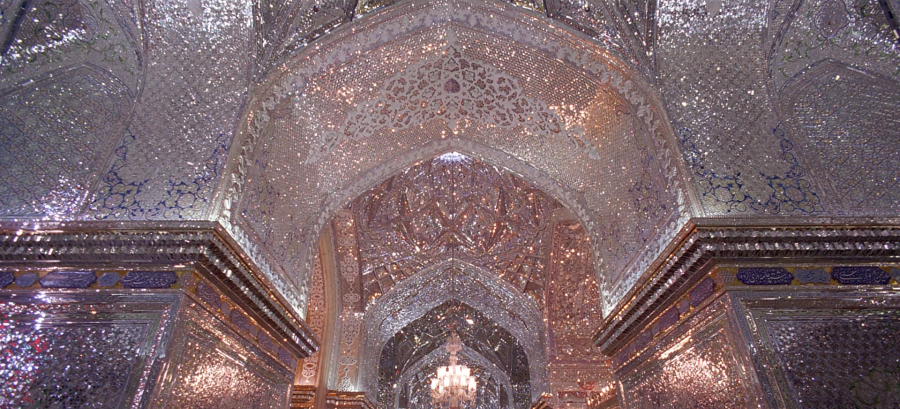
Without a doubt, this film has defined my time at UVA. I discovered Baraka by accident, and it stirred something in me that has never quite settled.
One part nature documentary, one part travelogue, one part blistering social criticism, Baraka can be summed up in one word: transcendent. Everything in the film points towards what is beyond it, towards what it dare not express in words. There is no dialogue. The central theme is that ritual and nature connect mankind with the mystery of his existence, and it proceeds to show how the way we break, deform, and reconstruct ritual in modernity has led to untold suffering. The film suggests that a return to the ancient wisdom of religion can restore the meaning we have lost in the 20th century.
Whether you buy into that traditionalist interpretation—or its postmodernist, ecofeminist, anti-colonialist, or anti-capitalist variants—the film will stun you. Director Ron Fricke cut his teeth as director of photography for Koyaanisqatsi (1982) and director of Chronos (1985), the film’s spiritual antecedents. He would later go on to direct a sequel to Baraka, another beautiful film called Samsara (the featured image at the top of this article is a still from that movie). While all are worth seeing, Baraka is the best of the lot. It has the most coherent spiritual vision, the best music, and the most striking visuals.
I encountered Baraka my third year, at a time in my life when I was under tremendous personal stress, as I alluded to in my discussion of Becket. Maybe that slight desperation opened me to a film of Baraka‘s sensibilities. I don’t know. But I don’t think I watched a film while at UVA that more profoundly shaped my worldview and aesthetic. I’d say that everyone who studies or practices religion should see it, but that would be a lie. Everyone should see it—period.
 The Amish Catholic
#/media/File:Rembrandt_Harmensz_van_Rijn_-_Return_of_the_Prodigal_Son_-_Google_Art_Project.jpg)